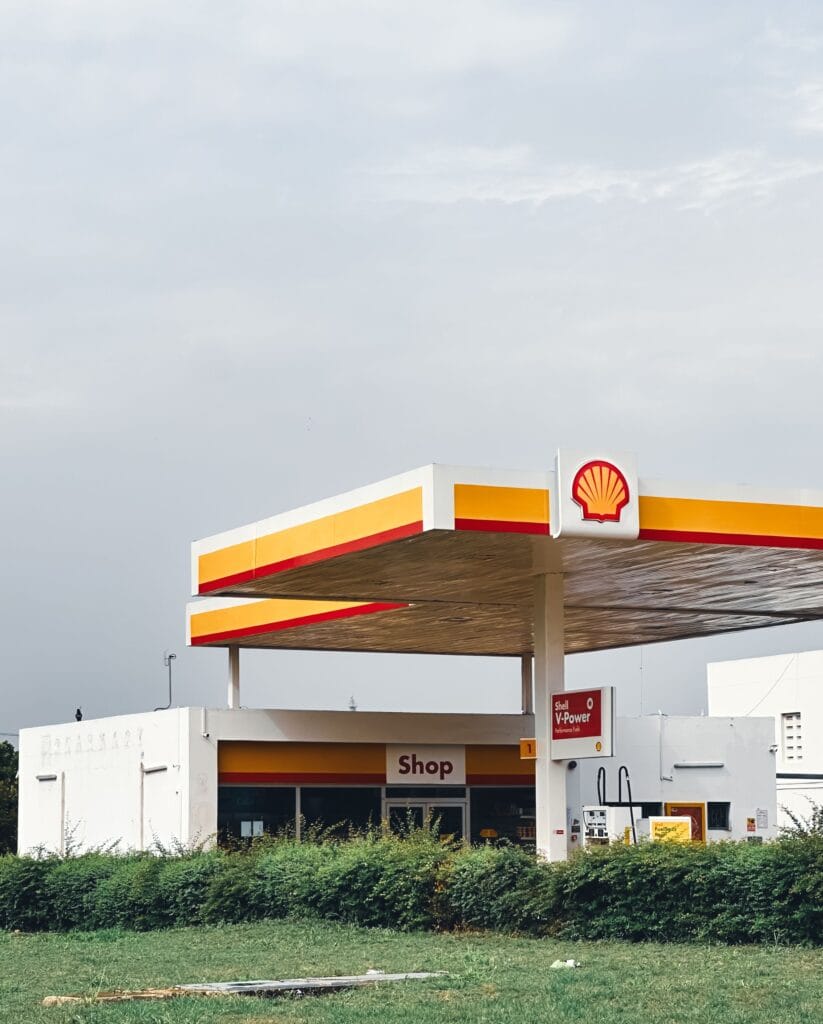
Global oil prices, the rand and government levies continue to shape what South African motorists pay at the pumps.
South Africans continue monitoring fuel price expectations as motorists, businesses and transport operators await the next monthly fuel price adjustment, with global oil markets and the rand remaining key factors influencing pump prices.
Fuel prices remain one of the country’s most closely watched economic indicators, affecting household budgets, transport costs and the prices of goods and services across the economy. Analysts say international crude oil prices and the performance of the South African rand against the US dollar will continue to determine whether motorists can expect relief or further pressure at the pumps.
Recent fluctuations in global energy markets, combined with geopolitical developments and changing demand for oil, have contributed to uncertainty over future fuel prices. A stronger rand can help reduce the cost of imported fuel, while higher international oil prices or a weaker currency could place upward pressure on local fuel costs.
How South Africa’s Fuel Price Is Calculated
South Africa’s fuel price is adjusted every month using a regulated pricing system. Several factors are considered before the Department of Mineral and Petroleum Resources announces the official price changes.
The largest influence is the international price of refined petroleum products, which is linked to global oil markets. The exchange rate between the South African rand and the US dollar is equally important because South Africa imports a significant portion of its fuel requirements. When the rand weakens against the dollar, imported fuel becomes more expensive, often resulting in higher prices at the pump.
The final fuel price also includes taxes and levies, transport and storage costs, wholesale and retail margins, and other regulated components that ensure fuel reaches service stations across the country.
Impact on Consumers and Businesses
Fuel prices have a direct impact on millions of South Africans. Higher fuel costs increase transport expenses for commuters while also raising operating costs for businesses that rely on logistics and distribution networks.
Industries such as agriculture, mining, manufacturing and retail are particularly sensitive to fuel price movements. Increased transport costs are often passed on through the supply chain, contributing to higher prices for groceries, building materials and other everyday goods.
Public transport operators, delivery companies and long-distance freight businesses also closely monitor fuel prices, as changes can significantly affect operating expenses and profitability.
Inflation and Economic Growth
Fuel prices play an important role in South Africa’s inflation outlook. Rising fuel costs can contribute to broader inflation by increasing transportation and production expenses across multiple industries. This can influence consumer spending and place additional pressure on household budgets.
The South African Reserve Bank also monitors fuel prices when assessing inflation risks and determining future monetary policy. Significant increases in fuel costs may contribute to inflationary pressures, while lower fuel prices can help ease the overall cost of living.
What Could Influence Future Fuel Prices?
Several developments could affect upcoming fuel price adjustments, including:
- Changes in global crude oil prices.
- Strength or weakness of the South African rand against the US dollar.
- Geopolitical tensions affecting global oil supply.
- Decisions by major oil-producing countries on production levels.
- Seasonal increases or decreases in global fuel demand.
- Shipping and transport disruptions affecting international energy markets.
Economists say predicting fuel prices remains challenging because international markets can change rapidly in response to political events, economic data and shifts in global energy demand.
Looking Ahead
Businesses in the logistics, agriculture and retail sectors are continuing to monitor fuel price trends, as transport costs often influence the price of consumer goods. Motorists are also advised to watch official monthly fuel price announcements to better plan their travel and household budgets.
While short-term fluctuations are expected to continue, analysts believe the longer-term outlook will depend on the balance between global energy demand, oil production, currency movements and South Africa’s broader economic performance.
For now, fuel prices will remain one of the country’s most important economic indicators, influencing inflation, business confidence and the cost of living for millions of South Africans.