South Africa | Politics
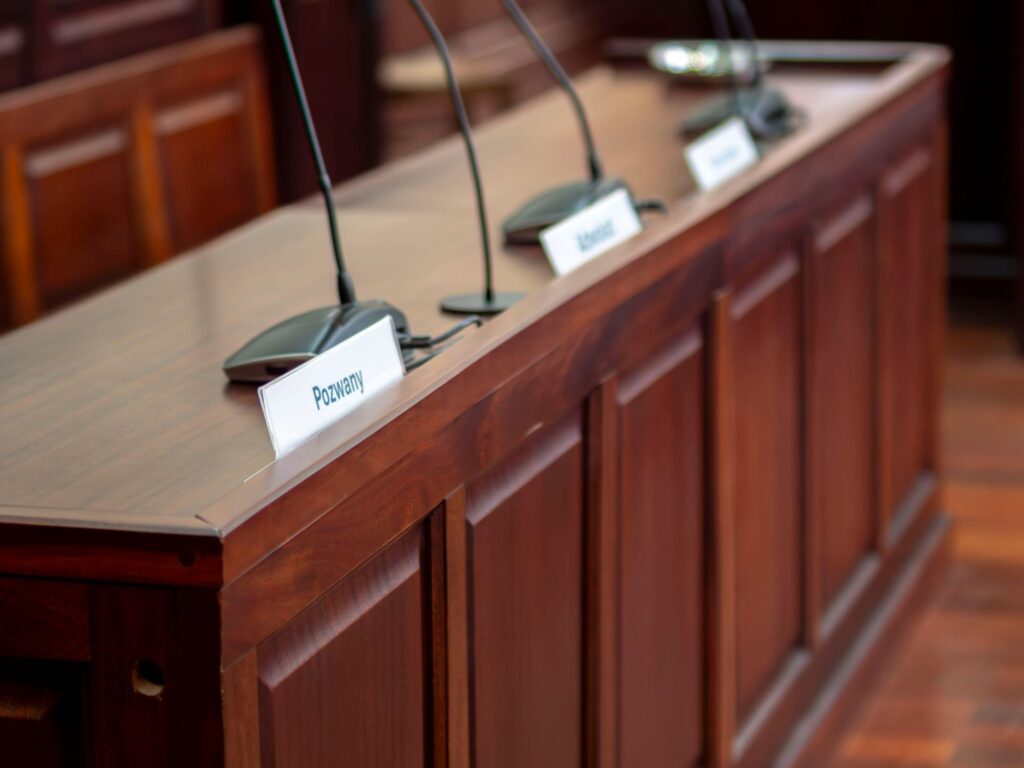
The Madlanga Commission of Inquiry is set to enter a crucial stage over the coming week as hearings continue into allegations surrounding law enforcement, intelligence operations and governance issues that have attracted national attention. With public evidence currently scheduled to conclude on 2 October 2026, investigators and legal representatives are expected to focus increasingly on matters relating to the Johannesburg Metro Police Department (JMPD), while preparations continue for the anticipated testimony of Crime Intelligence deputy head Major General Feroz Khan later this month.
The commission, chaired by Acting Deputy Chief Justice Mbuyiseli Madlanga, has spent months hearing testimony from witnesses, experts, government officials and law enforcement representatives as it seeks to establish facts surrounding a range of allegations placed before it. The proceedings have generated significant public interest due to the senior officials involved and the potential implications for policing, intelligence structures and public confidence in state institutions.
As hearings resume this week, attention is expected to turn toward evidence involving the Johannesburg Metro Police Department. Witnesses are expected to provide information regarding operational matters, oversight mechanisms and allegations that have emerged during previous stages of the inquiry. Legal teams representing various parties are also expected to continue cross-examining witnesses and presenting documentary evidence.
The coming days are widely viewed as some of the most important in the commission’s schedule. With the deadline for public evidence approaching on 2 October, commission officials are working to ensure that outstanding testimony and documentation are presented before the inquiry moves into its next phase.
One of the most anticipated developments remains the expected appearance of Crime Intelligence deputy head Major General Feroz Khan. Although his testimony is currently scheduled for Monday, 28 September 2026, just outside the upcoming reporting week, preparations for his appearance are already attracting significant attention. Khan has remained a prominent figure in recent public discussions surrounding intelligence structures, law enforcement oversight and accountability within South Africa’s policing environment.
His testimony is expected to be closely watched by political parties, civil society organisations, legal analysts and members of the public seeking greater clarity on issues raised during earlier hearings. Depending on the evidence presented, Khan’s appearance could become one of the most significant moments of the commission’s proceedings.
The Madlanga Commission was established to examine serious allegations and concerns that emerged regarding policing and intelligence-related matters. Throughout its hearings, the commission has repeatedly stressed the importance of transparency, accountability and public trust in democratic institutions. Witness testimony and documentary evidence have contributed to a growing body of information that commissioners will ultimately assess before compiling their findings and recommendations.
Legal experts note that commissions of inquiry do not determine criminal guilt or innocence. Instead, they are tasked with gathering evidence, identifying systemic issues and recommending reforms where necessary. Any criminal investigations or prosecutions arising from evidence presented to the commission would fall under the responsibility of relevant law enforcement and prosecutorial authorities.
For South Africans, the commission’s work carries broader significance beyond the individuals who have testified. The findings could influence future reforms within law enforcement agencies, intelligence structures and oversight mechanisms designed to strengthen accountability and improve public confidence in government institutions.
As the inquiry approaches the conclusion of its public evidence phase, observers expect intense scrutiny of the remaining hearings. The testimony expected over the coming week, particularly concerning the Johannesburg Metro Police Department, may provide important context ahead of Major General Khan’s scheduled appearance and the commission’s eventual final report.
With public evidence due to conclude on 2 October, attention will increasingly shift toward what recommendations the commission may ultimately make and what impact those recommendations could have on South Africa’s law enforcement and governance landscape in the months and years ahead.