What You Need To Know About The Foodborne Illness Linked To Contaminated Produce
International | Cyclosporiasis has once again drawn international attention as health authorities continue to monitor outbreaks linked to contaminated fresh produce. Although the illness is relatively uncommon, experts warn that it can cause prolonged gastrointestinal illness and affect people of all ages.
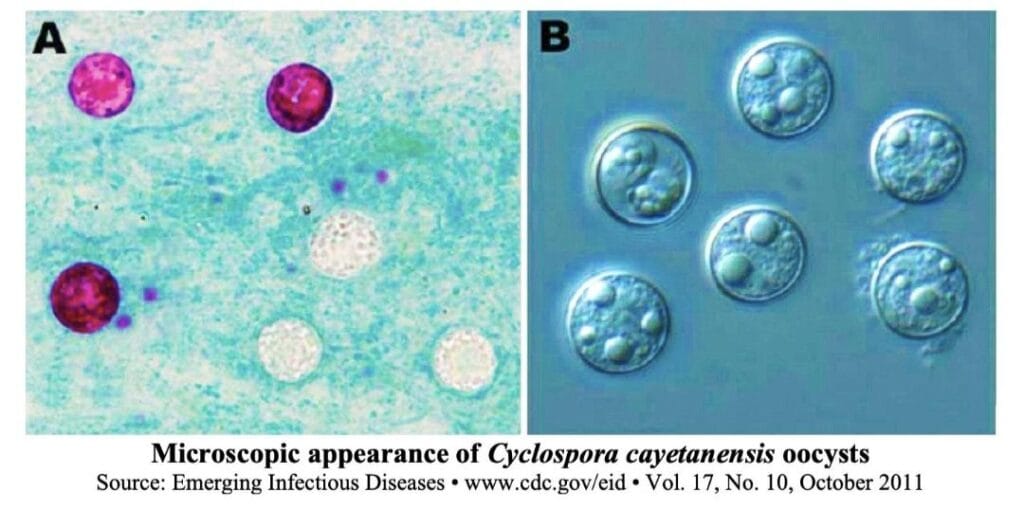
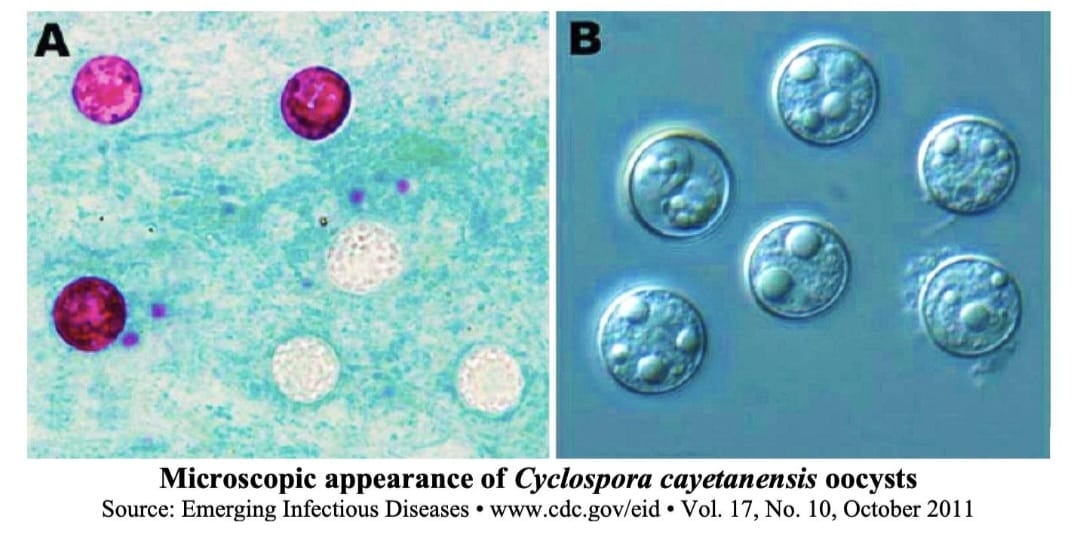
The disease is caused by Cyclospora cayetanensis, a microscopic parasite that infects the small intestine. Unlike many other foodborne illnesses caused by bacteria or viruses, cyclosporiasis is caused by a parasite that is typically transmitted through contaminated food or water.
Health authorities say infections most often occur after people consume fresh fruits, vegetables or herbs that have been contaminated during growing, harvesting or processing. Produce such as lettuce, basil, cilantro, raspberries and other raw vegetables have been linked to previous outbreaks in several countries.
One of the distinguishing characteristics of Cyclospora is that it is unlikely to spread directly from one person to another. The parasite must first mature in the environment before it becomes capable of infecting another person, making contaminated food and water the primary source of infection.
Symptoms generally develop about one week after exposure but can appear anywhere between two days and two weeks later. The most common symptom is frequent watery diarrhoea, which may persist for several weeks if left untreated. Other symptoms include stomach cramps, bloating, nausea, fatigue, loss of appetite, weight loss and, in some cases, a low-grade fever.
Doctors warn that while most healthy individuals recover completely, the illness can be more severe in young children, older adults and people with weakened immune systems. Severe diarrhoea may lead to dehydration, requiring medical treatment.
Diagnosis requires specialised laboratory testing because the parasite is not always detected during routine stool examinations.
The recommended treatment is the antibiotic trimethoprim-sulfamethoxazole (TMP-SMX), while maintaining adequate hydration is also considered an important part of recovery.
Health experts recommend washing fresh produce under clean running water, practising good hand hygiene and following food safety advisories issued during outbreaks. However, they caution that washing alone may not completely remove the parasite if contamination has already occurred.