South Africa’s energy sector is facing renewed scrutiny following ongoing environmental investigations involving Sasol, while recent fuel price adjustments continue to impact businesses, consumers and the broader economy. Together, these developments have placed one of the country’s most important industries firmly in the spotlight.
The latest attention comes after the execution of search warrants at certain Sasol operations as part of an investigation linked to alleged environmental pollution. At the same time, South Africans are adjusting to the latest fuel price changes, which saw petrol prices decrease while diesel costs rose sharply, creating mixed outcomes for households and businesses.
Environmental Investigation Continues
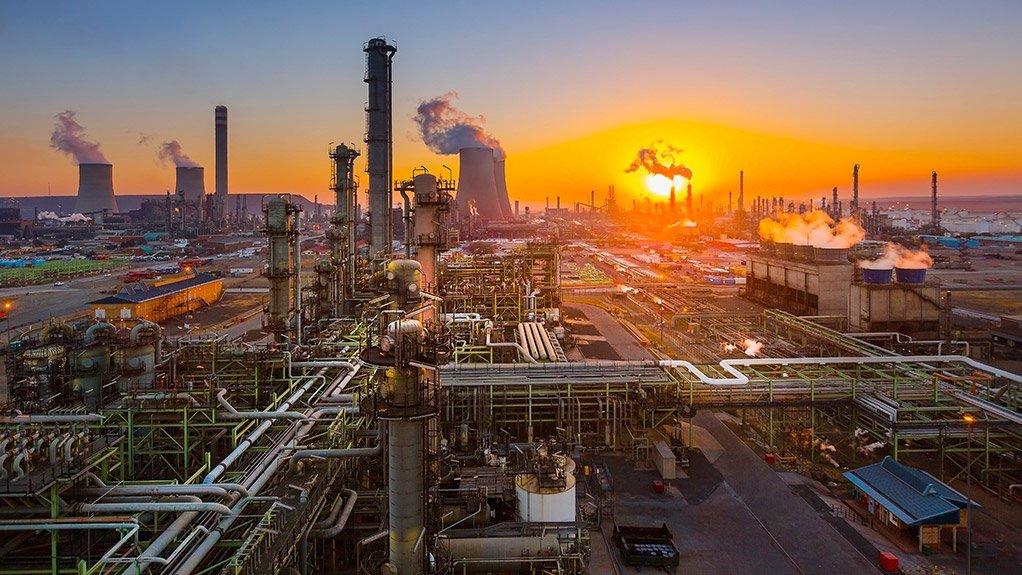
The National Prosecuting Authority (NPA), working alongside environmental authorities and investigators, recently executed search warrants at Sasol facilities as part of an ongoing probe into alleged environmental compliance issues.
The investigation forms part of broader efforts by authorities to enforce environmental legislation and ensure industrial operators comply with regulations designed to protect air quality, water resources and surrounding communities.
Sasol has stated that it is cooperating with authorities and continues engaging with regulators regarding environmental compliance matters. The company remains one of South Africa’s largest industrial and energy producers, playing a significant role in fuel production, chemicals manufacturing and employment.
While investigations remain ongoing, no final conclusions have yet been reached. Legal and regulatory processes are expected to continue as authorities assess evidence gathered during the operation.
Why Sasol Matters to South Africa
Sasol occupies a unique position within South Africa’s economy.
The company is one of the country’s largest producers of synthetic fuels and petrochemical products and is a major employer across several provinces. Its operations contribute significantly to industrial output, exports and energy security.
Because of its size and influence, developments involving Sasol often attract significant attention from investors, environmental groups, regulators and financial markets.
Industry analysts note that environmental compliance has become an increasingly important factor for large energy and mining companies globally, with investors paying closer attention to sustainability, emissions reduction and environmental governance.
Fuel Prices Remain a Key Economic Indicator
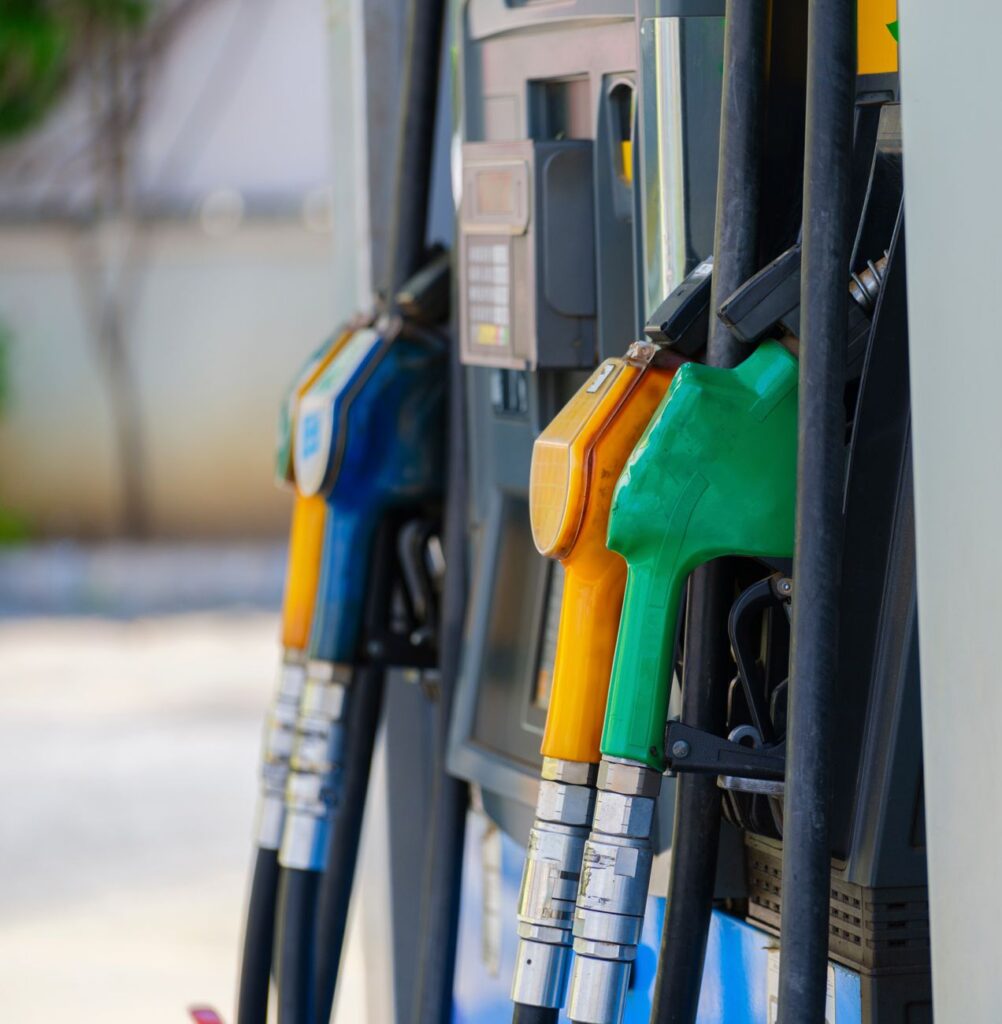
Alongside the Sasol investigation, fuel prices continue to dominate economic discussions across South Africa.
The latest adjustment, effective from 5 August 2026, delivered mixed news for consumers:
- Petrol 93 and 95: ↓ 52 cents per litre
- Diesel 0.05% sulphur: ↑ R1.3844 per litre
- Diesel 0.005% sulphur: ↑ R1.2344 per litre
- Illuminating Paraffin: ↑ R1.52 per litre
- LPGas: ↓ R4.41 per kilogram
The decrease in petrol prices was largely driven by lower international petrol costs and a reduction in the Slate Levy, which helped offset other pricing pressures.
Diesel, however, experienced a significant increase due to higher international diesel prices, supply constraints in global energy markets and the impact of a weaker rand against the US dollar.
Diesel Increase Could Affect the Wider Economy
Economists warn that the sharp increase in diesel prices could have broader implications than the petrol reduction.
Diesel remains the primary fuel source for:
- Freight and logistics operators
- Agriculture
- Mining
- Construction
- Manufacturing
- Backup power generation
As transport and operating costs rise, businesses may face increased expenses that could eventually filter through to consumers in the form of higher prices for goods and services.
This makes diesel one of the most important fuel categories from an economic perspective, particularly in a country heavily dependent on road freight transport.
Energy Security and Sustainability Under the Spotlight
The combination of environmental investigations and fuel market developments highlights the growing challenges facing South Africa’s energy sector.
Government, industry and regulators continue balancing several competing priorities:
- Maintaining energy security.
- Supporting economic growth.
- Ensuring environmental compliance.
- Managing fuel affordability.
- Encouraging investment.
- Meeting sustainability goals.
As South Africa continues navigating energy transition discussions and environmental concerns, companies operating in the sector face increasing pressure to demonstrate both operational efficiency and responsible environmental management.
Looking Ahead
The outcome of the Sasol investigation will continue to attract attention from regulators, investors and environmental stakeholders.
At the same time, fuel prices are expected to remain closely linked to international oil markets, exchange rate movements and geopolitical developments.
Both stories highlight the critical role the energy sector plays in South Africa’s economy and the challenges facing policymakers and businesses as they seek to balance economic growth, environmental protection and energy affordability.