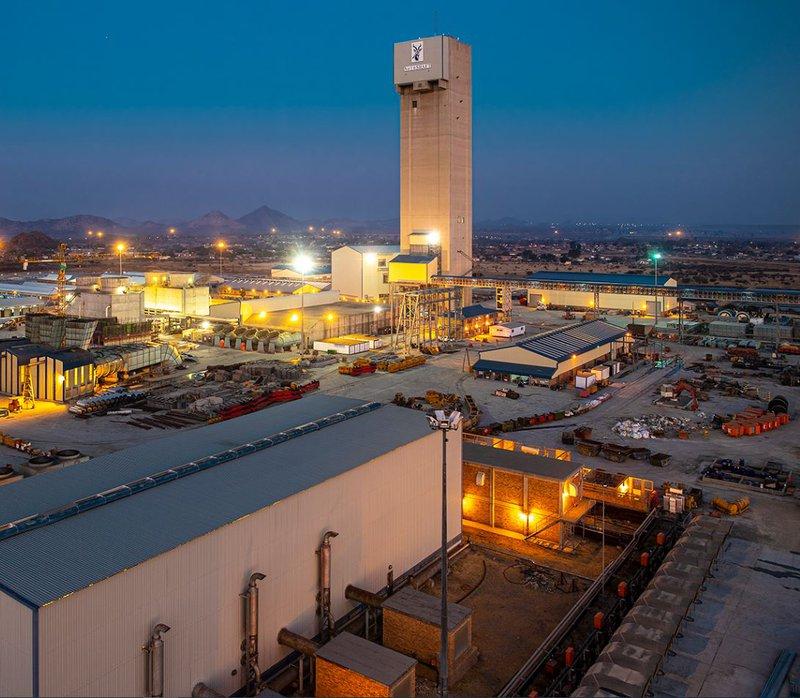
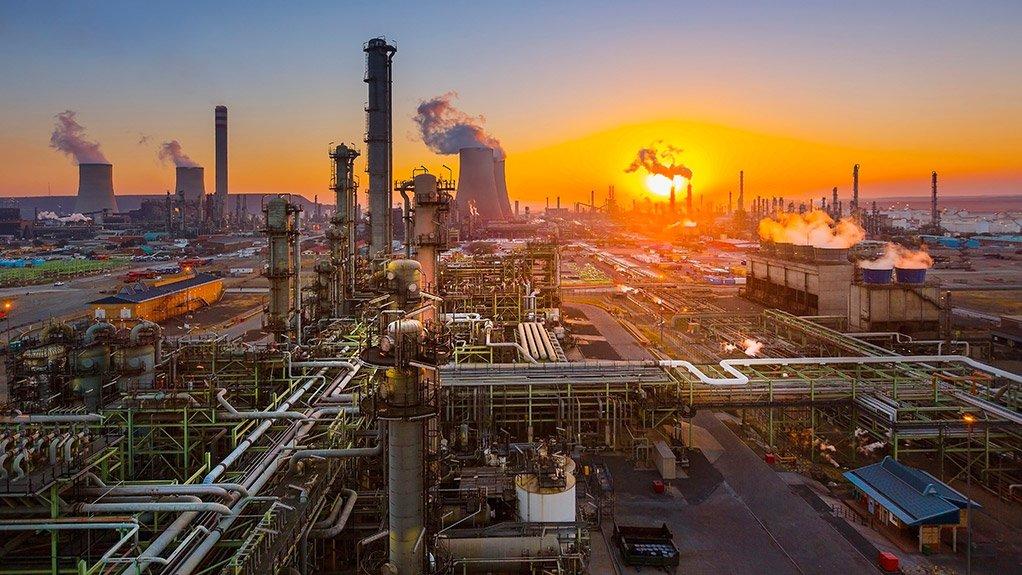
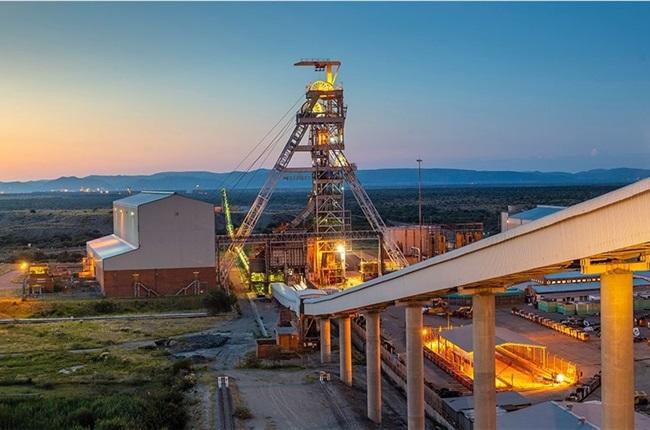
South Africa’s mining industry continues to face difficult questions over workplace safety as Impala Platinum’s Rustenburg operations remain under intense scrutiny following multiple worker fatalities and a deadly sulphur dioxide gas leak that shocked the mining sector and renewed concerns about safety standards across the industry.
The incidents have placed one of the country’s largest platinum producers under the spotlight, with labour unions, regulators, mining experts and affected communities demanding accountability and stronger measures to protect mineworkers.
Mining remains one of South Africa’s most important economic sectors, supporting hundreds of thousands of jobs and contributing significantly to export earnings. However, the recent tragedies have once again highlighted the dangers faced by workers operating in complex industrial and underground environments.
Multiple Fatal Incidents Raise Concerns
The fatalities at Impala Platinum’s Rustenburg operations have reignited national debate about mine safety and operational risk management.
The most serious incident involved a sulphur dioxide gas leak that resulted in the deaths of workers and prompted emergency response measures at the affected operation. Sulphur dioxide is a hazardous gas commonly associated with certain industrial and metallurgical processes and can pose severe health risks when released in significant quantities.
The incident followed other fatal workplace accidents that have occurred within the broader mining industry, placing additional pressure on mining companies to strengthen safety procedures and operational oversight.
Industry observers say each fatality not only affects families and communities but also raises broader questions about workplace culture, compliance systems and risk management practices.
Regulators Continue Monitoring Developments
The Department of Mineral and Petroleum Resources (DMPR) is expected to continue closely monitoring developments surrounding the incidents.
Under South African mining legislation, regulators have the authority to conduct investigations, issue directives and, where necessary, implement enforcement actions aimed at protecting employees and ensuring compliance with health and safety standards.
Investigations typically focus on determining the root causes of incidents, assessing compliance with regulations and identifying measures required to prevent similar occurrences in future.
Depending on findings, companies can face operational directives, corrective actions or other regulatory interventions.
Labour Unions Demand Answers
Labour unions representing mineworkers have called for comprehensive investigations into the incidents and have emphasised the importance of protecting workers in what remains one of South Africa’s most hazardous industries.
Worker representatives have argued that every mining fatality should be treated with the utmost seriousness and that lessons learned from investigations must be implemented swiftly.
The incidents have also reignited discussions around training, emergency preparedness, equipment maintenance and the effectiveness of existing safety protocols.
Unions continue engaging with both mining companies and government authorities to ensure worker safety remains a top priority.
Mine Safety Remains a Critical Industry Issue
South Africa has made significant progress in reducing mining fatalities over the past two decades through improved regulations, technological innovation and closer cooperation between industry stakeholders.
Despite these improvements, safety remains one of the sector’s biggest challenges.
Modern mining companies increasingly rely on advanced technologies such as:
- Real-time monitoring systems.
- Underground communication networks.
- Automated equipment.
- Environmental detection systems.
- Artificial intelligence-based risk analysis.
- Remote-controlled machinery.
Industry experts believe continued investment in these technologies will be critical in further reducing accidents and improving workplace conditions.
Economic Importance of Rustenburg’s Mining Sector
Rustenburg remains one of the world’s most important platinum-producing regions and plays a major role in both the North West provincial economy and South Africa’s broader mining sector.
The area supports thousands of jobs directly and indirectly through mining, engineering, transport, manufacturing and service industries.
Any operational disruptions, regulatory interventions or prolonged safety concerns can therefore have significant economic implications for local communities and supply chains.
Investors are also paying close attention, as safety performance increasingly influences corporate reputation, regulatory relationships and investment decisions.
Industry Faces Growing Pressure
The latest incidents come at a time when mining companies are already dealing with several operational challenges, including:
- Rail and logistics constraints.
- Rising operational costs.
- Electricity supply concerns.
- Global commodity price fluctuations.
- Environmental compliance requirements.
- Labour relations challenges.
Industry leaders acknowledge that maintaining world-class safety standards remains essential not only for protecting employees but also for ensuring the long-term sustainability and competitiveness of South Africa’s mining industry.
Looking Ahead
As investigations continue, the focus will remain on understanding the causes of the incidents, implementing corrective measures and restoring confidence among workers, communities and investors.
The mining industry’s response to these tragedies will be closely watched across South Africa, particularly as regulators, labour unions and stakeholders seek assurances that every possible step is being taken to prevent future loss of life.
For many South Africans, the events at Rustenburg serve as a stark reminder that while mining remains a cornerstone of the economy, worker safety must remain the industry’s highest priority.