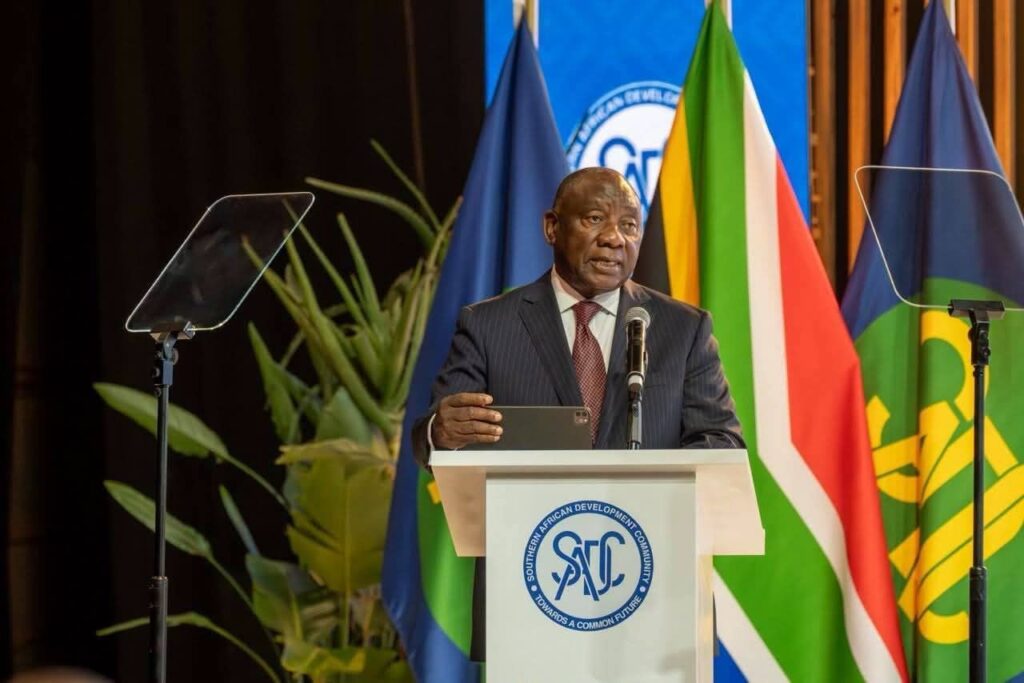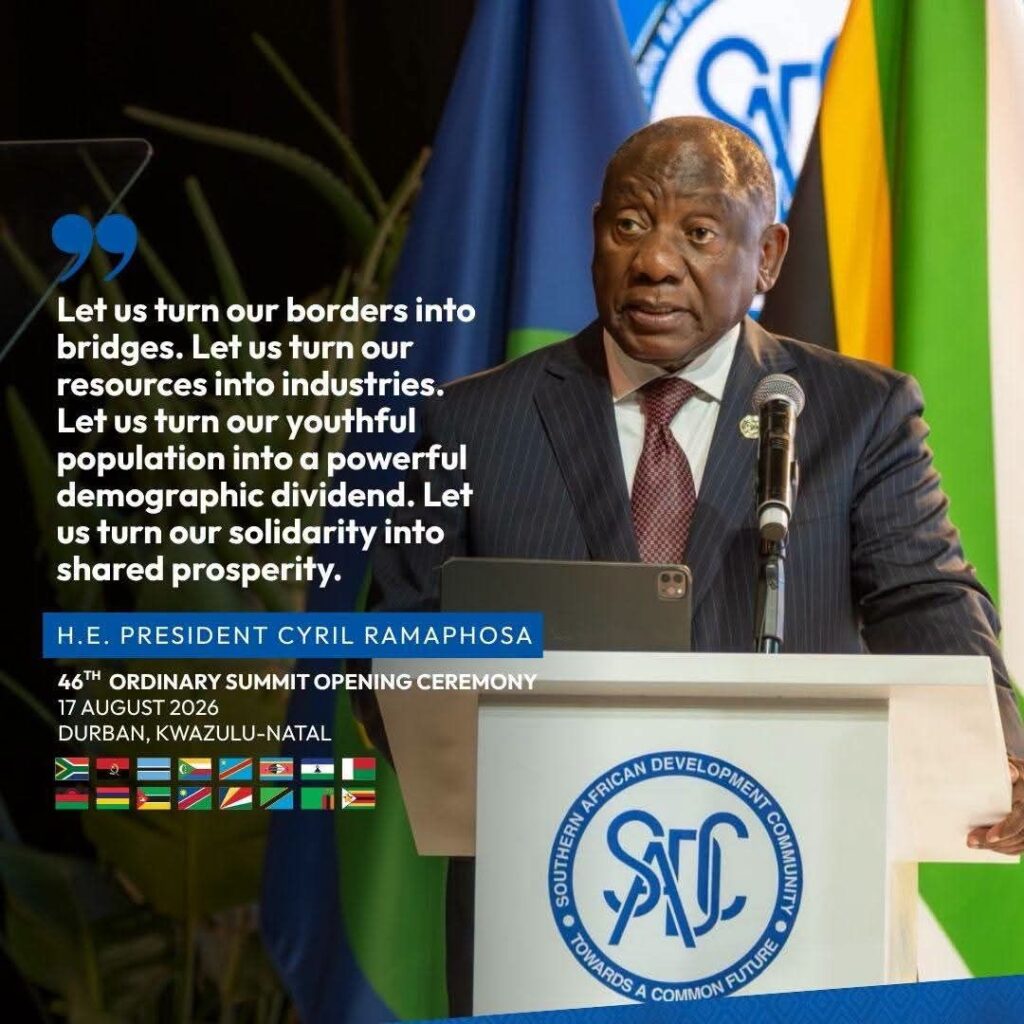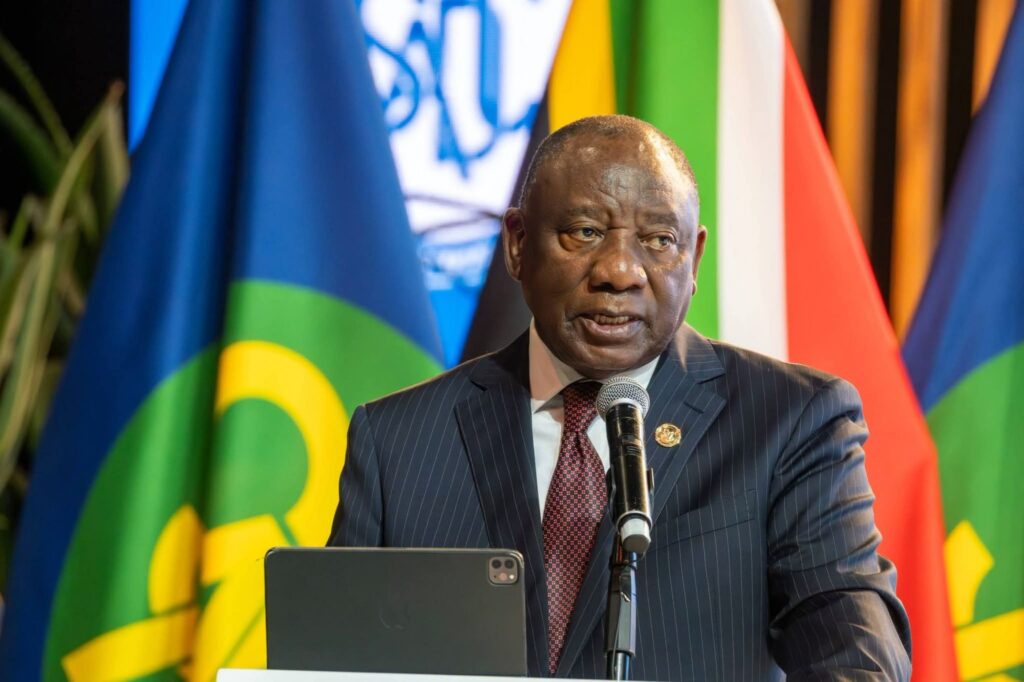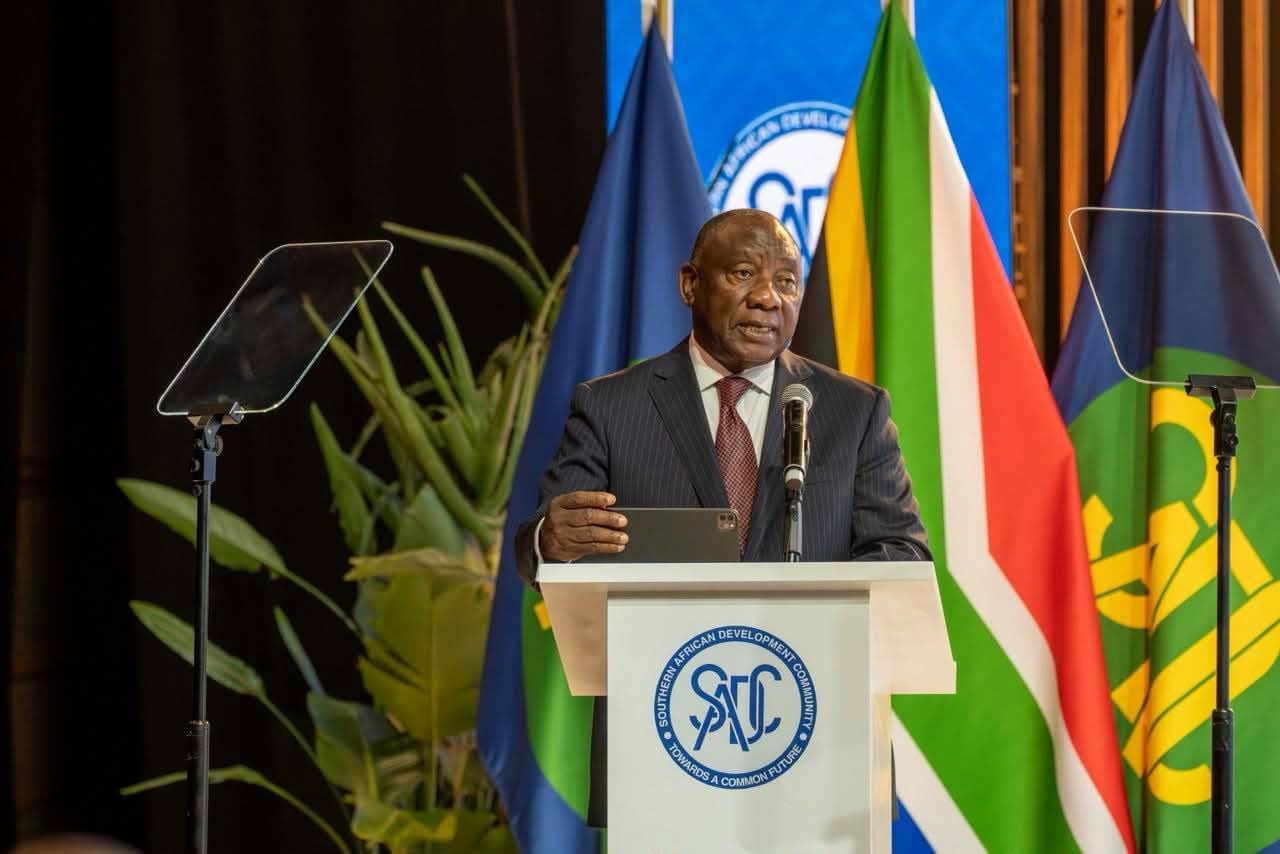
South Africa has officially taken centre stage in regional politics after President Cyril Ramaphosa assumed the chairmanship of the Southern African Development Community (SADC), placing the country at the forefront of some of the region’s most pressing economic, security and development challenges.
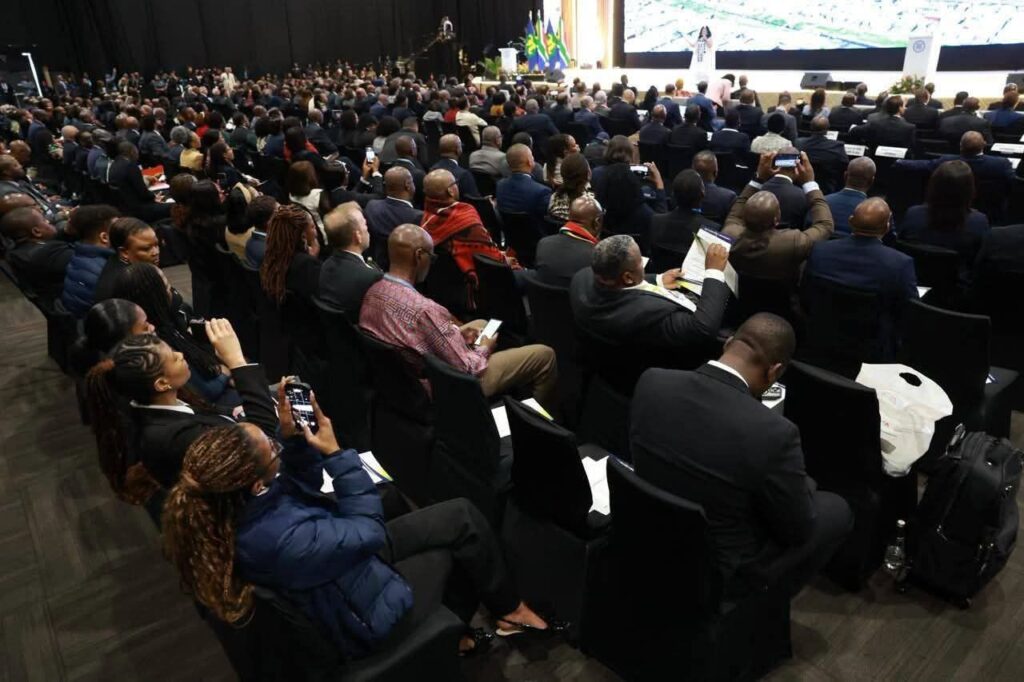
The handover took place during the 45th SADC Summit of Heads of State and Government in Durban, where regional leaders gathered to discuss a wide range of issues affecting Southern Africa, including economic growth, infrastructure development, industrialisation, regional trade, energy security and ongoing conflicts within the region.
For South Africa, the appointment is more than a ceremonial role. It places President Ramaphosa in a position of significant influence at a time when the region is facing growing pressure to accelerate economic integration, strengthen trade links and respond to security concerns that threaten stability in parts of Southern Africa.
The chairmanship comes as SADC continues to grapple with one of its most serious security challenges in years — the ongoing conflict in the eastern Democratic Republic of Congo (DRC). The violence has displaced millions of people, destabilised communities and raised concerns about broader regional security. SADC leaders have repeatedly stressed the need for a peaceful resolution to the conflict while supporting diplomatic efforts aimed at restoring stability.
Ramaphosa’s assumption of the chairmanship also comes amid increasing calls for stronger economic cooperation among member states. Southern Africa remains rich in natural resources and economic potential, yet many countries continue to face challenges including high unemployment, infrastructure backlogs, energy shortages and slow economic growth.
Regional leaders at the summit highlighted the importance of improving transport corridors, expanding cross-border trade and accelerating industrialisation projects that can create jobs and strengthen economic resilience. These issues are expected to feature prominently during South Africa’s tenure at the helm of the regional bloc.
The President has consistently argued that regional integration is critical to unlocking Africa’s economic potential. South Africa is expected to use its chairmanship to advance initiatives aimed at improving trade flows, attracting investment and strengthening cooperation between member states.
The significance of the role extends beyond economics. South Africa will also be expected to help coordinate regional responses to issues ranging from climate change and food security to migration, public health challenges and political instability.
Analysts say the chairmanship presents both an opportunity and a test for Ramaphosa’s administration. As the region’s most industrialised economy, South Africa is often looked to for leadership on major continental and regional issues. However, expectations are high, particularly as member states seek tangible progress on infrastructure development, energy cooperation .and conflict resolution.
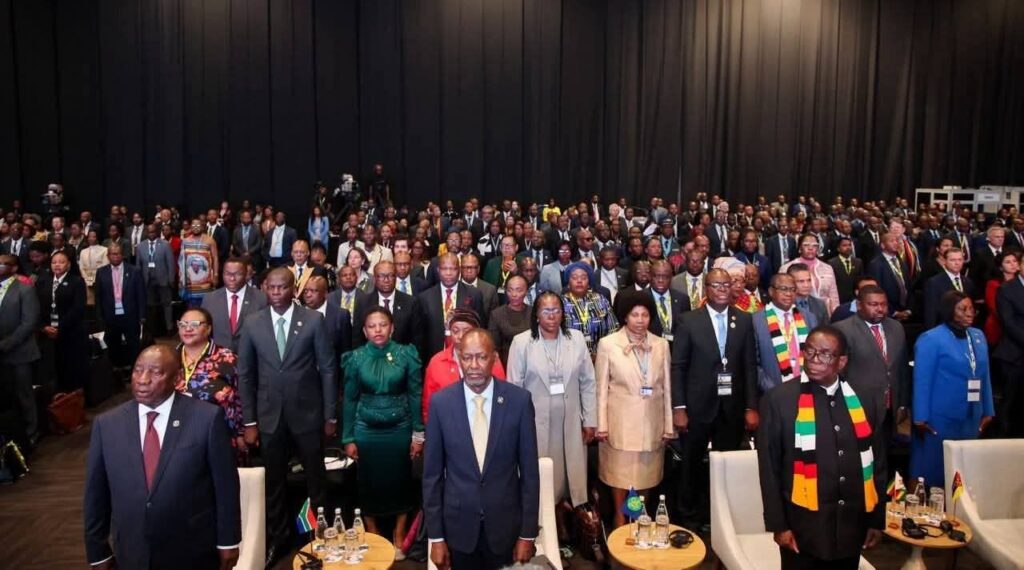
The summit itself has attracted significant political attention, with heads of state, ministers, diplomats and business leaders from across Southern Africa gathering in Durban to chart the region’s future direction. Discussions throughout the summit have focused on how member states can work together to build more competitive economies while addressing common challenges that no country can solve alone.
For South Africa, the timing is particularly important. The country is navigating its own domestic political and economic challenges while simultaneously taking on a leadership role that will require diplomatic engagement across the region.
Observers believe South Africa’s chairmanship could play a key role in shaping the region’s agenda over the coming year. Success will likely be measured not only by diplomatic achievements but also by tangible progress on trade, infrastructure development, industrialisation and regional stability.
As Ramaphosa takes over the leadership of SADC, expectations are high that South Africa will use its influence to strengthen cooperation and help drive solutions to some of the region’s most urgent challenges. Whether those ambitions translate into measurable outcomes will be closely watched by governments, businesses and citizens across Southern Africa.