South African households and businesses could see significant changes in the way electricity costs are calculated and charged after government unveiled a revised electricity pricing policy for public comment.
The proposed policy aims to create a more transparent, sustainable and equitable electricity pricing framework as South Africa continues grappling with rising energy costs, ageing infrastructure and the need to balance affordability with the financial sustainability of the power sector.
Energy experts say the policy could have far-reaching implications for consumers, municipalities, Eskom and private electricity providers, making it one of the most important energy policy developments currently under discussion.
Greater Transparency at the Centre of Proposed Changes
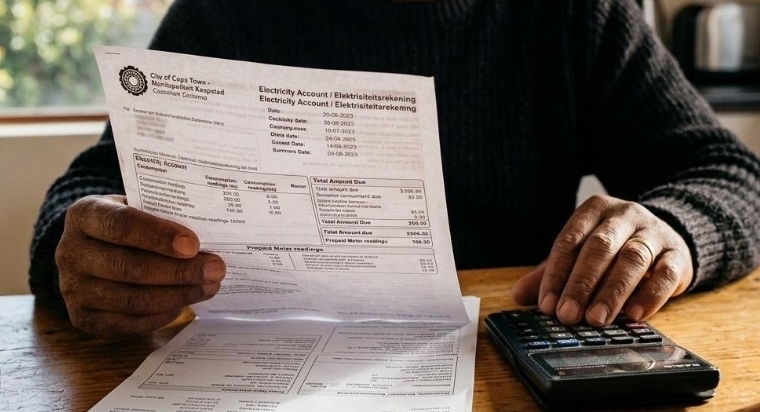
One of the key objectives of the revised policy is to improve transparency around how electricity tariffs are determined. For years, consumers have raised concerns about complex tariff structures and frequent increases that many households struggle to understand. The proposed framework seeks to provide clearer guidance on how costs are calculated and how different components of electricity bills contribute to the final amount paid by consumers. Government believes greater transparency will help build public confidence in the electricity pricing system while allowing consumers to better understand the factors driving tariff adjustments. The policy also aims to ensure that pricing structures more accurately reflect the actual costs of generating, transmitting and distributing electricity.

Why Electricity Pricing Matters
Electricity remains one of the largest monthly expenses for many South African households and businesses.
Changes in electricity tariffs influence:
•Household budgets.
•Business operating costs.
•Manufacturing competitiveness.
•Agricultural production.
•Inflation.
•Economic growth.
•Investment decisions.
As a result, even relatively small adjustments to electricity pricing can have significant economic consequences across the country.
Economists note that electricity costs have become an increasingly important factor in South Africa’s cost-of-living challenges over the past decade.
Balancing Affordability and Sustainability
A major challenge facing policymakers is balancing affordability for consumers with the financial realities facing the electricity sector.
South Africa’s energy infrastructure requires substantial investment to maintain reliability, upgrade ageing systems and support future electricity demand.
Government argues that pricing policies must ensure sufficient revenue is available to maintain infrastructure while protecting vulnerable consumers from excessive cost increases.
The revised policy is expected to examine how tariffs are structured across different customer categories, including residential users, businesses and industrial consumers.
Impact on Households
For ordinary South Africans, the biggest question is whether the new framework will ultimately affect monthly electricity bills.
While the policy itself does not immediately introduce new tariffs, it could influence how future price adjustments are determined and communicated.
Consumer groups are expected to closely examine the proposals to assess whether they improve fairness and transparency for households already facing pressure from rising living costs.
Many South Africans continue to deal with increasing expenses linked to food, transport, fuel and municipal services, making electricity affordability a major concern.
Municipalities and Eskom Also Affected
The revised policy could also have important implications for municipalities that purchase electricity from Eskom and resell it to consumers.
Electricity sales remain a significant source of municipal revenue in many parts of South Africa.
Changes to pricing frameworks may therefore influence municipal finances, service delivery planning and future infrastructure investment.
Eskom, meanwhile, continues implementing reforms aimed at improving operational performance and ensuring long-term sustainability within the electricity sector.
Public Participation Process Begins
Government has invited stakeholders, industry participants, consumer organisations and members of the public to comment on the proposed policy before it is finalised.
Public participation is expected to play a crucial role in shaping the final framework, particularly given the widespread impact electricity pricing has on households, businesses and the economy.
Energy analysts say the consultation process provides an opportunity for consumers to raise concerns and contribute to discussions about how South Africa’s electricity market should evolve in the years ahead.
Looking Ahead
The revised electricity pricing policy represents another important step in South Africa’s ongoing energy reform process.
While the proposals are still subject to public consultation and further review, the outcome could influence how electricity costs are structured and communicated for years to come.
For millions of South Africans, the debate will ultimately focus on a simple question: how can electricity remain affordable while ensuring the country maintains a reliable and financially sustainable power system?
The answer could shape future electricity bills and the broader energy landscape across South Africa.