Researchers say the discovery could pave the way for future cancer vaccines, improved diagnostics and more targeted treatments.
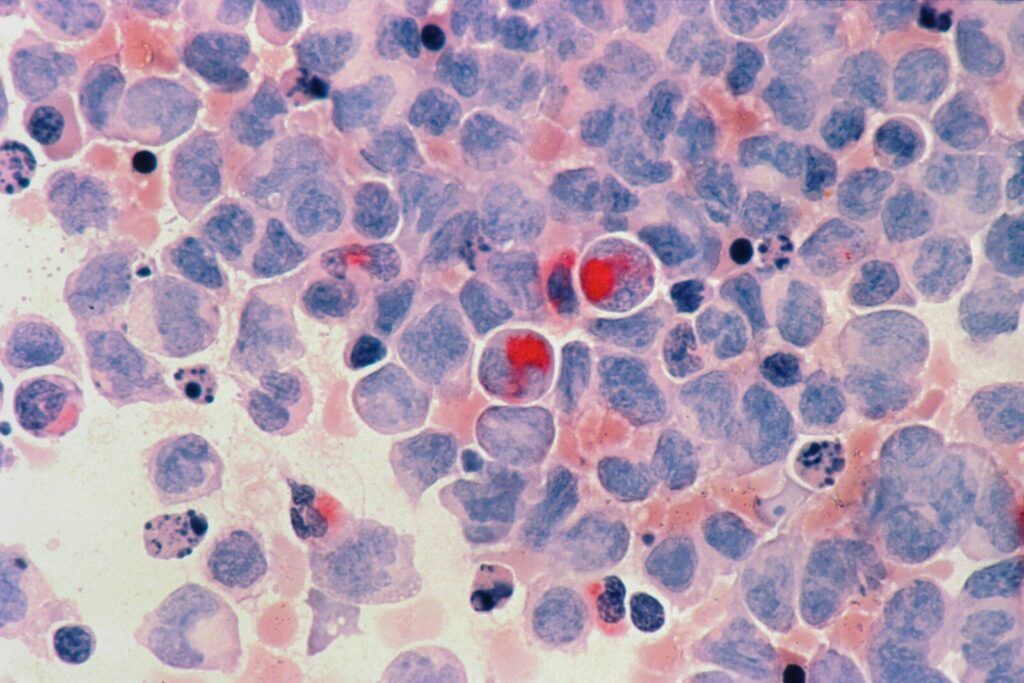
South African scientists have achieved a significant breakthrough in cancer research after decoding what has been described as cancer’s “cloak of invisibility” — a mechanism that allows tumour cells to evade the body’s immune system. The discovery, led by researchers at the University of Cape Town (UCT), provides new insight into one of cancer’s most effective survival strategies and is being hailed as a major step forward in the global fight against the disease. While the research is still at the scientific discovery stage, experts believe it could ultimately contribute to the development of more effective cancer therapies, vaccines and diagnostic tools.
The breakthrough centres around a protein known as Mucin-1 (MUC1), which is found on the surface of cells lining organs such as the breast, lungs and colon. Under normal conditions, MUC1 helps protect the body from harmful bacteria, viruses and toxins while also assisting the immune system in identifying potential threats. However, researchers discovered that cancer cells can alter the sugar coating surrounding this protein, effectively disguising themselves from the body’s natural defences.
The UCT-led team developed a novel laboratory model that allowed them to observe exactly how cancer cells modify MUC1. Their findings, published in the scientific journal Nature Communications, revealed that cancer effectively reorganises the cellular machinery responsible for building sugar chains on the protein. This transformation creates what scientists describe as a biological shield that helps tumours avoid detection while promoting their growth.
According to the researchers, understanding how this process works is critical because MUC1 is present in many common cancers, including breast, colon and lung cancer. By identifying the precise locations where these changes occur, scientists can now begin exploring ways to disrupt the process and expose cancer cells to the immune system.
The research team also used advanced computational chemistry and quantum-level modelling to pinpoint specific sites on the MUC1 protein that are most vulnerable to cancer-related alterations. These findings provide a detailed molecular map that could guide future efforts to design treatments capable of preventing tumours from hiding within the body.
Scientists believe the discovery could eventually contribute to precision medicine approaches, where treatments are tailored to individual patients and specific tumour characteristics. Future research will focus on linking these molecular changes to immune system responses and determining whether new drugs can be developed to block the signals that help tumours grow and spread.
Cancer remains one of the leading causes of death worldwide, with millions of new cases diagnosed every year. In South Africa, breast, prostate, colorectal, cervical and lung cancers continue to pose major public health challenges. Researchers say breakthroughs that improve understanding of how cancer develops and survives are essential for advancing treatment options and improving patient outcomes.
The discovery also highlights South Africa’s growing contribution to global scientific research. Local universities and research institutions have increasingly been recognised for innovations in medical science, biotechnology and precision medicine. The latest findings demonstrate how South African scientists are helping to advance knowledge in fields with the potential to impact millions of lives around the world.
Although more research and clinical development will be required before the findings translate into treatments available to patients, experts describe the breakthrough as an important milestone that could influence cancer research for years to come. For many scientists, the ability to remove cancer’s “cloak of invisibility” represents a promising step toward helping the immune system recognise and destroy tumour cells more effectively.