International News | Iran Sanctions
Investors, governments and energy traders remain focused on the ongoing dispute between the United States and Iran as uncertainty surrounding sanctions policy continues to influence global oil markets, inflation expectations and broader economic sentiment.
The standoff between the United States and Iran remains one of the most closely watched developments in international affairs, with global markets carefully monitoring Washington’s sanctions strategy and Tehran’s response. Although no major new penalties were immediately implemented in recent days, officials on both sides have continued exchanging warnings and statements, keeping concerns about future economic and energy market disruptions firmly in the spotlight.
The issue has gained renewed attention amid heightened tensions across the Middle East and ongoing concerns about global energy security. Investors are particularly sensitive to developments involving Iran because of the country’s significant role in global oil production and its strategic location near the Strait of Hormuz, one of the world’s most important energy shipping routes.
Recent comments from US officials have indicated that additional economic measures remain under consideration should diplomatic efforts fail to produce progress on key security and regional issues. Iranian leaders have responded by insisting that further sanctions would not alter the country’s policies and have criticised Washington’s continued use of economic pressure as a foreign policy tool.
The sanctions dispute comes at a time when oil markets are already dealing with uncertainty linked to geopolitical tensions, global economic growth concerns and fluctuating demand forecasts. Energy analysts note that even the possibility of stricter sanctions can influence oil prices because traders factor potential supply disruptions into market expectations.
Iran possesses some of the world’s largest proven oil and natural gas reserves. While existing sanctions have already affected its energy exports over the years, any additional restrictions could have broader implications for global supply chains and international energy markets. The extent of those impacts would depend on the scope of any future measures and how other major oil-producing nations respond.
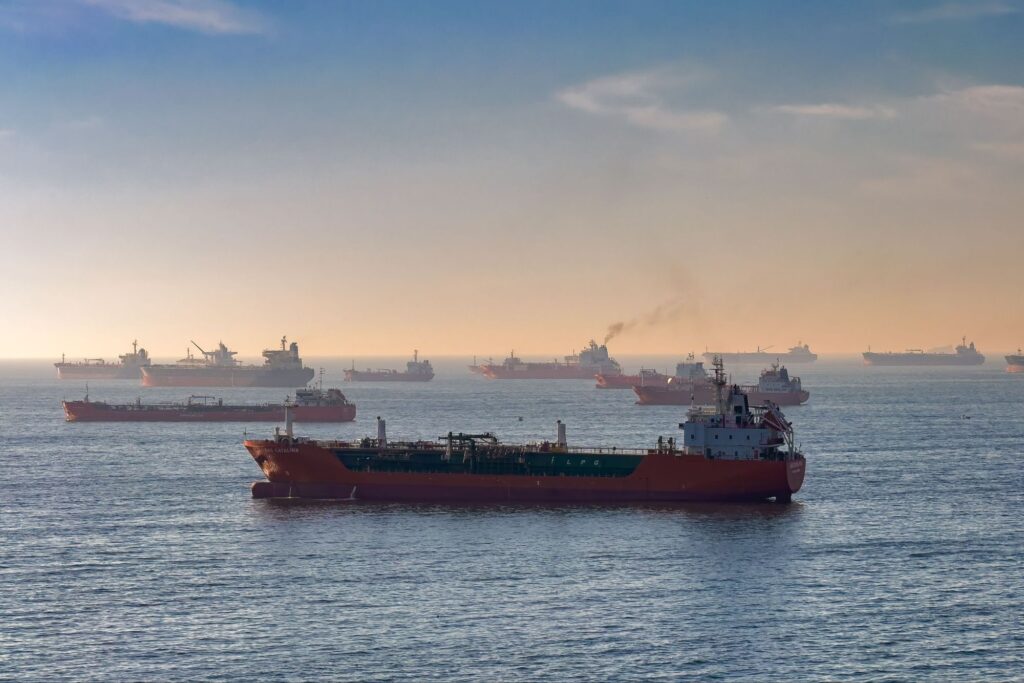
A major focus of market attention remains the Strait of Hormuz. The narrow waterway connects the Persian Gulf to global shipping lanes and is responsible for transporting a significant percentage of the world’s seaborne oil exports. Any development that raises concerns about the security of this route tends to attract immediate attention from investors, shipping companies and governments.
Economists warn that prolonged instability involving Iran could have consequences beyond energy markets. Higher oil prices can increase transportation costs, place upward pressure on consumer prices and complicate efforts by central banks to control inflation. Countries heavily dependent on imported fuel are often particularly vulnerable to sustained increases in energy costs.
Financial markets have so far avoided major volatility, partly because no immediate new sanctions package has been announced. However, traders continue to monitor statements from Washington, Tehran and regional allies for signs that the situation could change. Market participants are also paying close attention to diplomatic efforts that may reduce tensions and help stabilise expectations.
The broader geopolitical context remains important. Relations between the United States and Iran have been strained for decades, with disputes involving sanctions, regional influence, nuclear-related concerns and military activity frequently shaping the relationship. Recent tensions involving regional security issues have added further complexity to an already difficult diplomatic environment.
Several countries have called for renewed dialogue in an effort to avoid escalation. European governments, Gulf states and international organisations continue encouraging diplomatic engagement, arguing that stability is essential for both regional security and global economic confidence.
For businesses and consumers around the world, the outcome of the sanctions dispute could have implications for fuel costs, inflation and broader economic conditions. While no immediate disruption has occurred, analysts agree that developments involving Iran and US sanctions policy will remain a major focus for global markets in the weeks ahead.