Breaking News | Iran War | International
Strait Of Hormuz Data And Forensics)
Iran is preparing a formal list of conditions for reopening the strategically vital Strait of Hormuz while the United States continues expanding its sanctions campaign, creating a high-stakes diplomatic standoff that is being closely monitored by governments, energy markets and shipping companies around the world. Despite ongoing negotiations, maritime traffic through the waterway remains significantly below normal levels, highlighting the continued economic impact of the conflict.
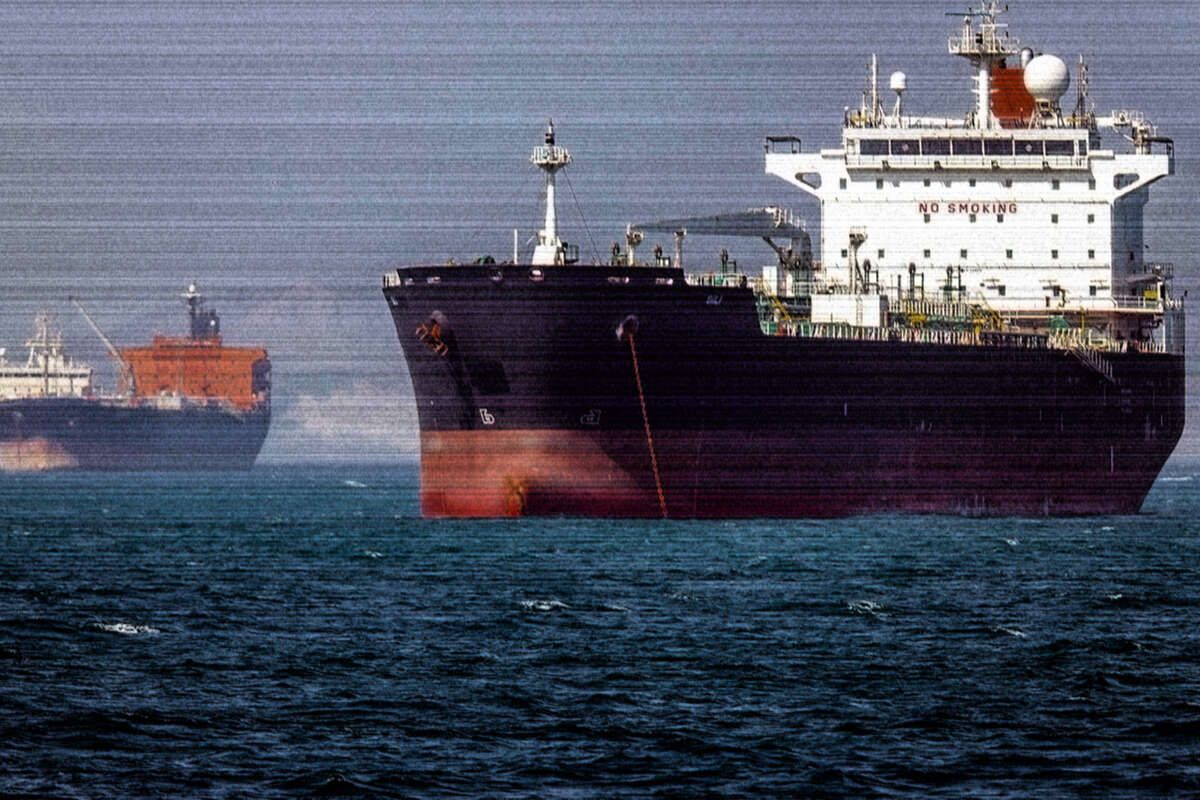
The Strait of Hormuz remains one of the world’s most important energy chokepoints. Before the conflict began six months ago, the narrow waterway handled approximately 20% of global oil supplies as well as substantial volumes of liquefied natural gas exports from Gulf producers. Disruptions to shipping through the strait have had major consequences for energy markets, freight costs and regional economies.
Fresh diplomatic efforts involving Iran, Oman, Qatar and other regional mediators are focused on finding a framework that would allow shipping to resume more normally. Iranian officials have confirmed they are preparing conditions for reopening the strait after requests from mediators seeking a path toward de-escalation. Tehran’s reported demands include sanctions relief, compensation measures and changes to restrictions affecting Iranian ports and trade.
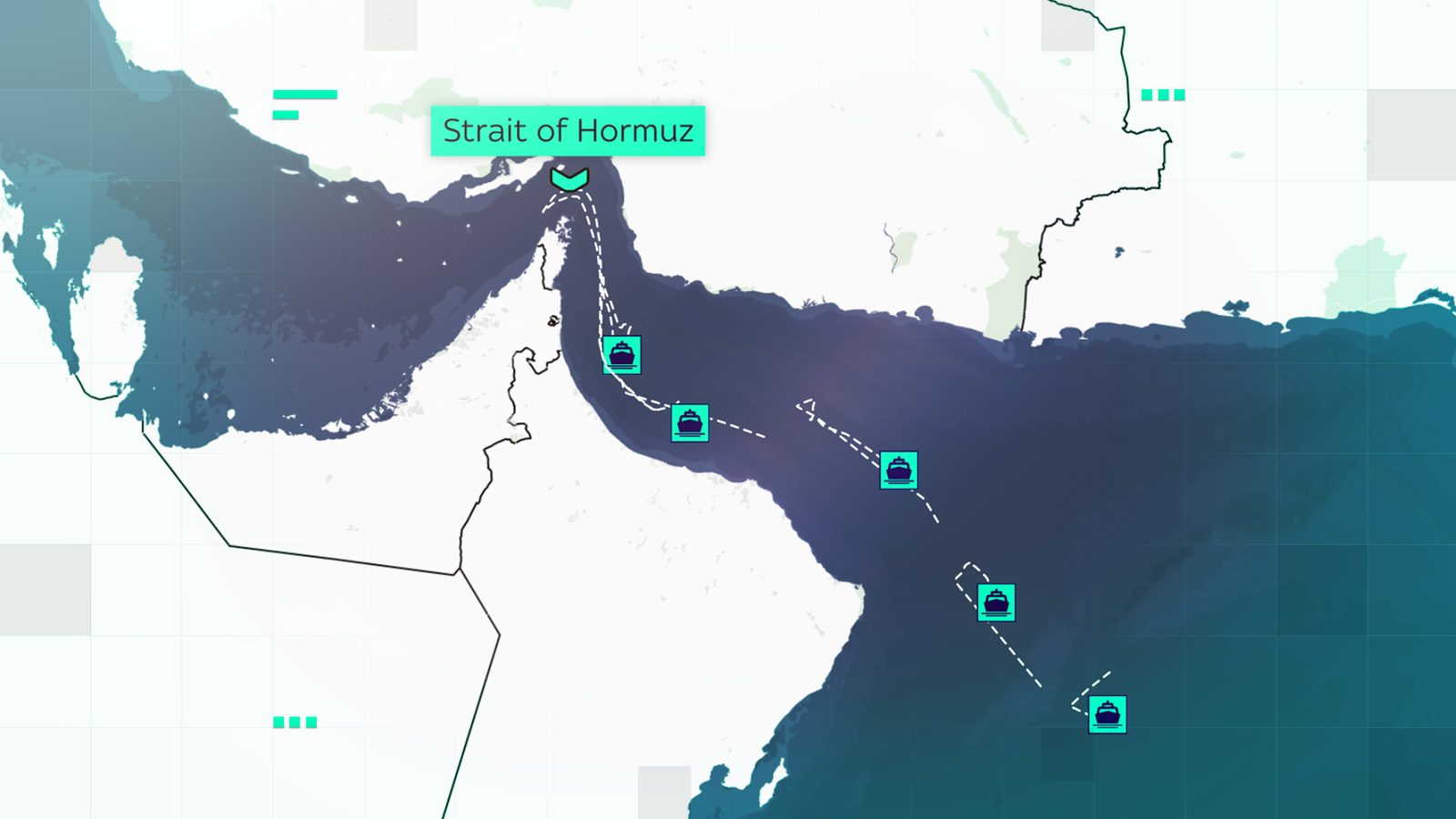
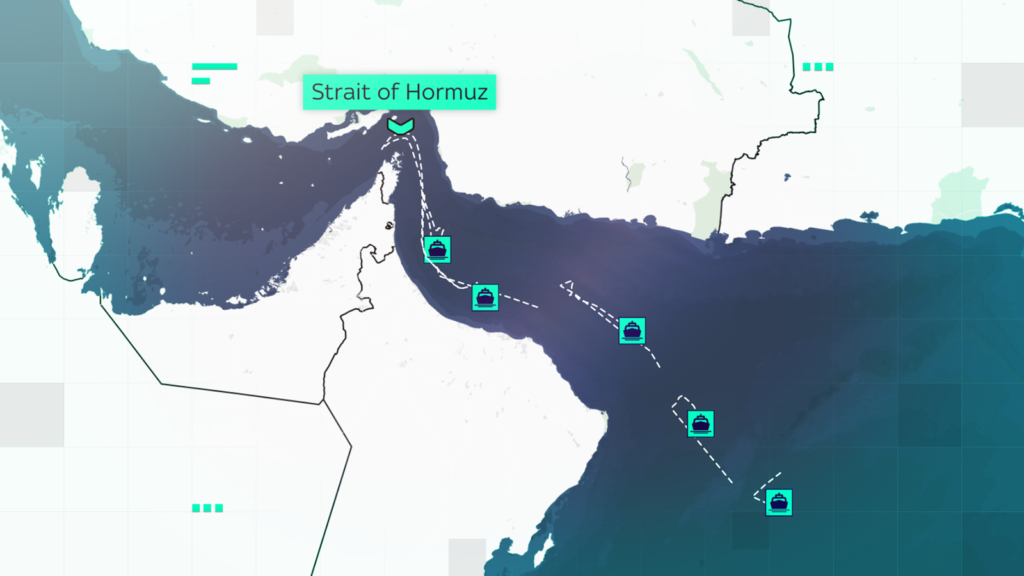
A key development has been ongoing cooperation between Iran and Oman regarding a proposed shipping corridor through the Strait of Hormuz. Discussions have included temporary navigation routes, mine-clearing operations and arrangements designed to improve maritime safety. However, significant political and security disagreements remain unresolved.
At the same time, the United States has continued applying economic pressure on Iran through its sanctions programme. New sanctions targeting entities and individuals linked to Iranian financial networks have been announced as Washington seeks to restrict Tehran’s access to international funding and trade channels. Iran has responded by urging other countries not to participate in the latest sanctions measures and has argued that economic pressure will not resolve the dispute.
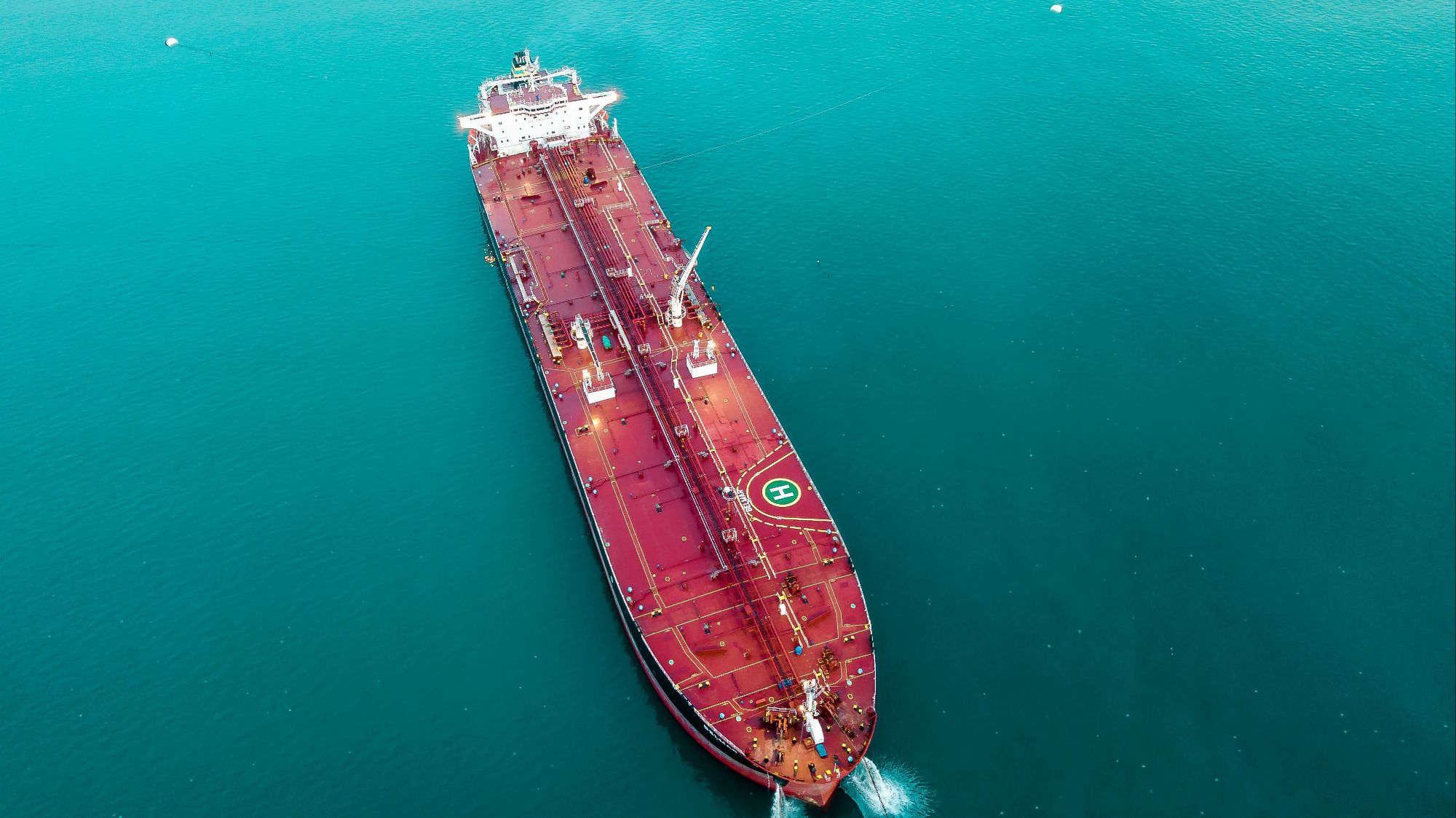
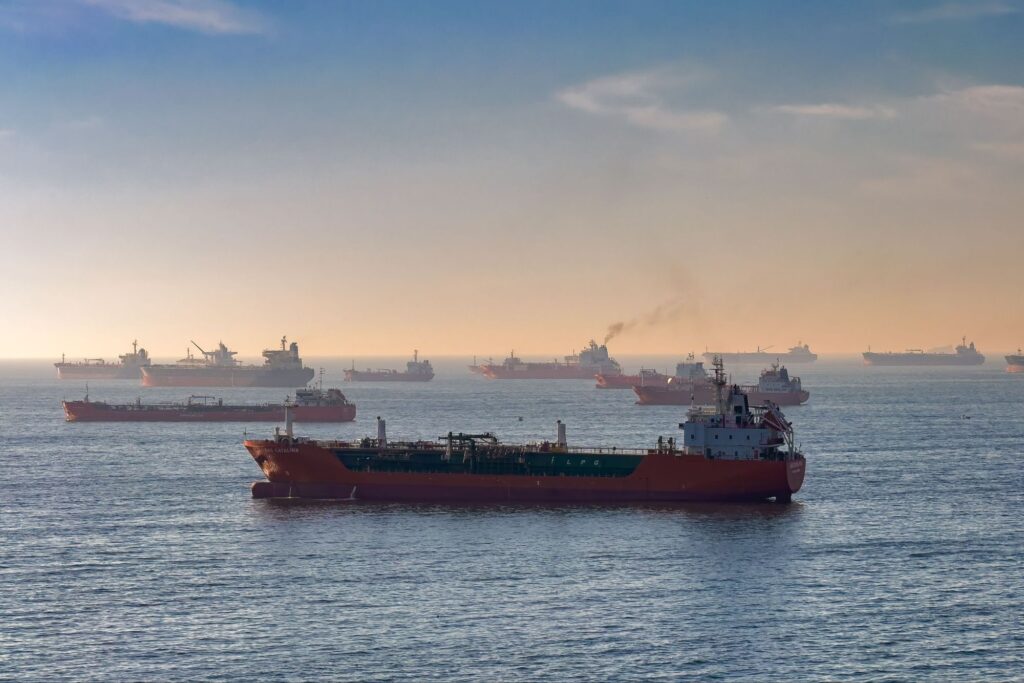
Shipping data shows that maritime traffic through the Strait of Hormuz remains well below historical norms. Preliminary figures released this week indicated that only seven commodity vessels transited the strait on Thursday, compared with a 10-day average of 15 vessels and far below normal pre-conflict activity. Analysts caution that while some traffic has resumed, shipping volumes remain severely reduced due to security concerns and uncertainty surrounding future negotiations.
The situation continues to influence global energy markets. Oil prices have reacted to reports of progress in negotiations, with traders attempting to assess whether a partial reopening agreement could restore more stable supply flows. However, uncertainty remains high because no comprehensive political settlement has yet been reached between Washington and Tehran.
The broader conflict has already reshaped the Middle East. Regional governments have accelerated plans for alternative export routes, new energy corridors and expanded security cooperation in an effort to reduce dependence on the Strait of Hormuz. Analysts warn that even if the waterway reopens more fully, the long-term geopolitical consequences of the crisis are likely to remain significant.
Diplomatic efforts remain ongoing, but the path forward remains uncertain. While negotiators are working to create conditions for increased maritime traffic and reduced tensions, major disagreements over sanctions, security guarantees and the future management of the strait continue to complicate discussions.
With global oil markets, shipping companies and governments watching closely, developments in the Strait of Hormuz are expected to remain one of the most important international stories in the coming days and weeks.