South Africa | Business News
South Africa’s economy contracted by 0.2% during the second quarter of 2026, according to official figures released on 8 September 2026, marking the country’s first quarterly economic decline in nearly two years. The downturn was driven by weaker domestic demand, the economic fallout from conflict in the Middle East, and poor performances from key sectors including mining and manufacturing. The contraction is significant because it raises concerns about economic growth, job creation, business confidence and government revenue at a time when South Africa is trying to accelerate its recovery.
Data released by Statistics South Africa showed that gross domestic product (GDP) declined by 0.2% quarter-on-quarter between April and June 2026. The result came as a surprise to some economists who had expected modest growth, highlighting the fragile state of the economy despite improvements in electricity supply and easing inflation.
Economists pointed to several factors behind the decline. One of the most significant was the impact of geopolitical tensions in the Middle East, particularly the conflict involving Iran. Higher global oil prices and increased uncertainty weighed on consumer confidence and spending, while businesses became more cautious about investment decisions. Rising fuel costs also placed pressure on households already dealing with the high cost of living.
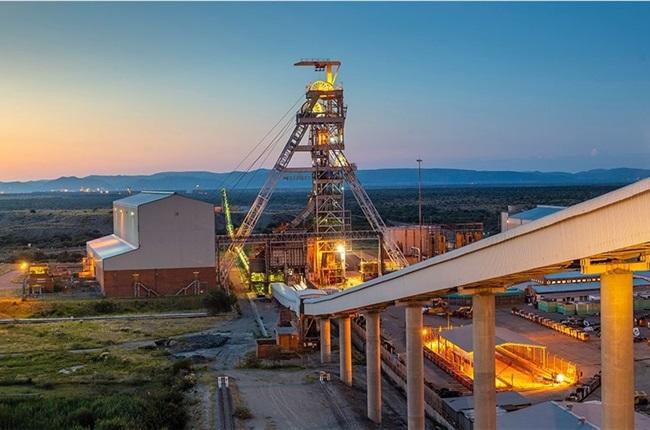
Mining, one of South Africa’s most important economic sectors, was among the largest contributors to the contraction. Lower production volumes and operational challenges affected output during the quarter. The sector remains a critical source of export earnings, employment and foreign exchange, making any slowdown particularly important for the broader economy.
Manufacturing also struggled during the period. Weak demand, global economic uncertainty and ongoing operational pressures contributed to lower production levels across several industries. South Africa’s manufacturing sector has faced persistent challenges in recent years, including logistics bottlenecks, rising costs and competition from imported goods.
Consumer spending, a major driver of economic activity, showed signs of weakness as households continued to face financial pressure. Although inflation has moderated compared with previous years, many consumers remain cautious due to fuel prices, food costs, debt levels and broader economic uncertainty.

The contraction comes despite several positive developments elsewhere in the economy. South Africa has experienced an extended period without load shedding, inflation has eased significantly from previous highs, and interest rate pressures have moderated. Many economists had hoped these factors would support stronger economic growth during 2026.
The latest figures will likely increase pressure on policymakers to accelerate economic reforms aimed at stimulating investment and job creation. Business groups have repeatedly called for improvements in infrastructure, logistics, municipal governance and regulatory certainty to help unlock growth.
The National Treasury has previously projected economic growth of around 1.5% for 2026, although today’s figures may lead some economists to revise their forecasts if growth does not improve during the second half of the year. South Africa’s long-term challenge remains achieving growth rates high enough to reduce unemployment, which continues to rank among the highest in the world.
Financial markets will also be closely watching the implications of the latest GDP figures. Slower economic growth can influence investment decisions, government finances and monetary policy. The South African Reserve Bank may take the weaker growth environment into account when assessing future interest rate decisions, although inflation risks remain an important consideration.
For ordinary South Africans, the economic contraction serves as a reminder of how global events can affect local conditions. Higher fuel prices, weaker business activity and slower job creation can all have direct consequences for households. While a single quarter of negative growth does not necessarily indicate a recession, economists say sustained weakness would be a cause for concern.
Attention will now turn to third-quarter economic data to determine whether the contraction was a temporary setback or the beginning of a more prolonged slowdown. Much will depend on global economic conditions, commodity prices, consumer confidence and the performance of key domestic sectors such as mining, manufacturing and retail.
The latest GDP figures underscore both the progress and the vulnerabilities within South Africa’s economy. While improvements in electricity supply and inflation have provided reasons for optimism, today’s data shows that significant challenges remain on the road to stronger and more sustainable economic growth.