International | Yemen
Growing Houthi military advances along Yemen’s western coastline and a worsening humanitarian crisis are drawing renewed international attention to one of the world’s most strategically important waterways. Iran-backed Houthi forces have strengthened their positions near the Bab el-Mandeb Strait, while aid agencies report that more than 80,000 people have been displaced by recent fighting. The developments matter far beyond Yemen because the Bab el-Mandeb is a key global shipping corridor linking the Red Sea to the Gulf of Aden and carrying a significant share of international trade between Europe, Asia and Africa.
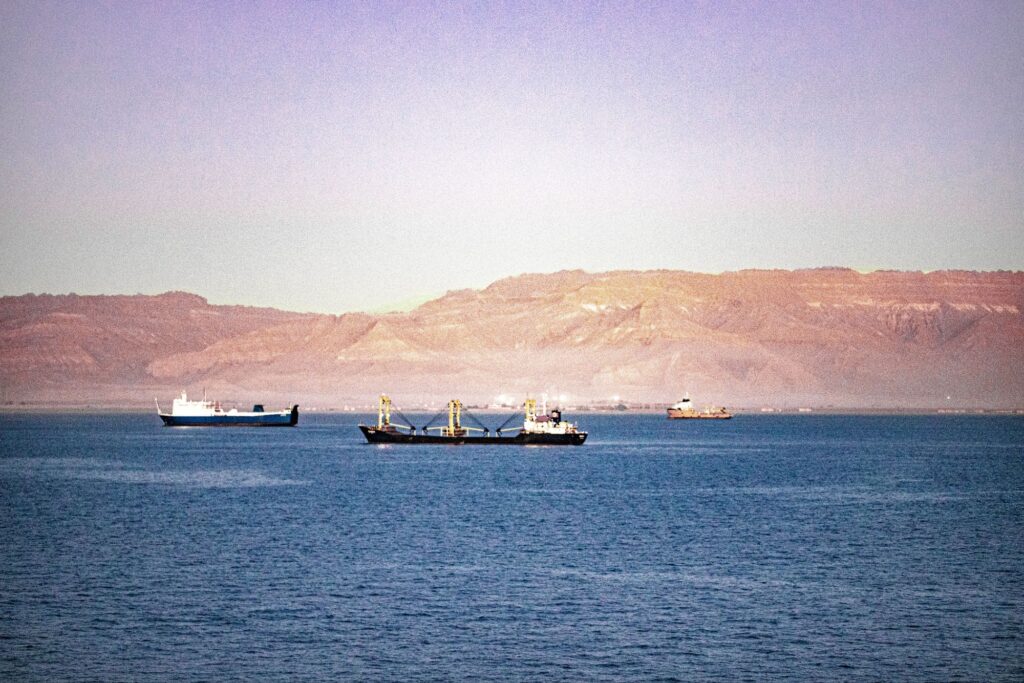
The latest fighting has seen Houthi forces expand their influence around key coastal areas, including Mocha and strategic positions overlooking maritime routes near the Bab el-Mandeb Strait. The waterway sits between Yemen and the Horn of Africa and is considered one of the world’s most important maritime chokepoints.
Security analysts warn that any threat to shipping through the Bab el-Mandeb could have global consequences. Around 10% to 12% of world trade passes through the corridor each year, including oil, fuel, manufactured goods and consumer products moving between Europe, Asia and Africa. Any disruption could increase shipping costs, delay cargo movements and place additional pressure on global supply chains already affected by instability in other regions.
The Houthi movement, also known as Ansar Allah, has been engaged in conflict with Yemen’s internationally recognised government for more than a decade. The war intensified after the Houthis seized the capital, Sanaa, in 2014, prompting military intervention by a Saudi-led coalition in 2015. Despite periods of reduced fighting, recent developments suggest the conflict is once again escalating.
At the same time, the humanitarian situation is deteriorating rapidly. International aid organisations report that more than 80,000 civilians have been displaced by recent fighting in western Yemen. Thousands of families have fled their homes seeking safety in overcrowded camps and temporary shelters.
The United Nations, International Committee of the Red Cross and other humanitarian agencies warn that existing aid resources are under severe strain. Many displaced families have limited access to food, clean water, healthcare and shelter. Aid workers say funding shortages and ongoing insecurity are making relief operations increasingly difficult.
Humanitarian organisations also fear that a prolonged escalation could worsen conditions for millions of Yemenis already dependent on aid. Yemen remains one of the world’s largest humanitarian emergencies, with years of conflict damaging infrastructure, healthcare systems and economic activity across much of the country.
The international community is closely monitoring both the military and humanitarian aspects of the crisis. Governments, shipping companies and insurers are assessing potential risks to maritime trade, while diplomatic efforts continue in an attempt to prevent a wider regional escalation.
For global markets, the situation is particularly important because the Bab el-Mandeb Strait serves as a critical link between the Indian Ocean, Red Sea and Suez Canal. Any disruption could affect energy supplies, international trade routes and shipping costs worldwide.
As fighting continues and displacement figures rise, Yemen remains one of the world’s most significant geopolitical and humanitarian flashpoints. The coming weeks may determine whether diplomatic efforts can contain the conflict or whether the crisis expands further, affecting both regional stability and global commerce.