South Africa | Business News | Economy And Fuel Price Outlook
South Africa’s economy is showing signs of stability following lower inflation and fuel price relief during recent months, but economists warn that global oil market uncertainty, geopolitical tensions and currency volatility could still influence fuel costs, inflation and economic growth over the next year.
South Africa’s annual inflation rate slowed to 4.3% in July 2026, marking the first decline in five months. The improvement was largely driven by lower fuel prices, softer food inflation and smaller municipal tariff increases, providing some relief to consumers struggling with the cost of living.
The recent inflation decline has strengthened expectations that the South African Reserve Bank will be able to maintain a cautious approach to interest rates. Lower inflation generally supports consumer spending, business confidence and economic growth because households have more disposable income available after paying for essential goods and services.
However, economists caution that the positive trend could be temporary. Momentum Group economist Sanisha Packirisamy recently warned that lower transport and food costs were the primary reasons behind the improved inflation figures and that rising global fuel costs could quickly reverse the gains.
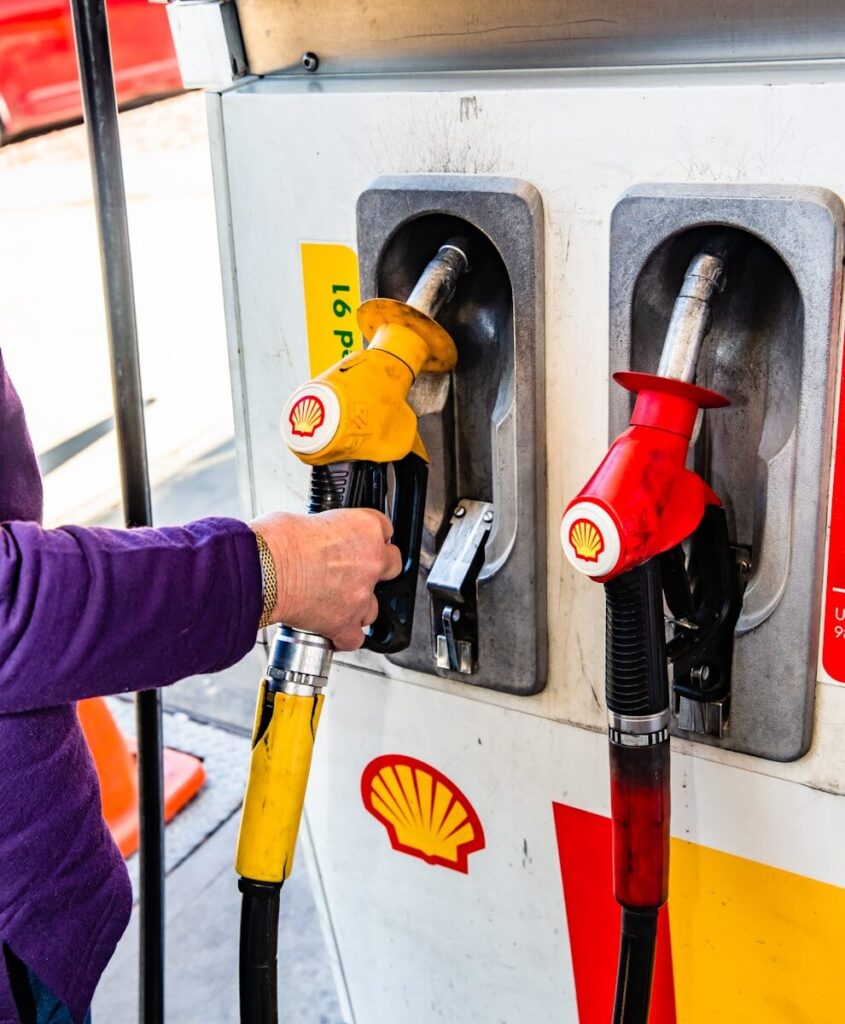
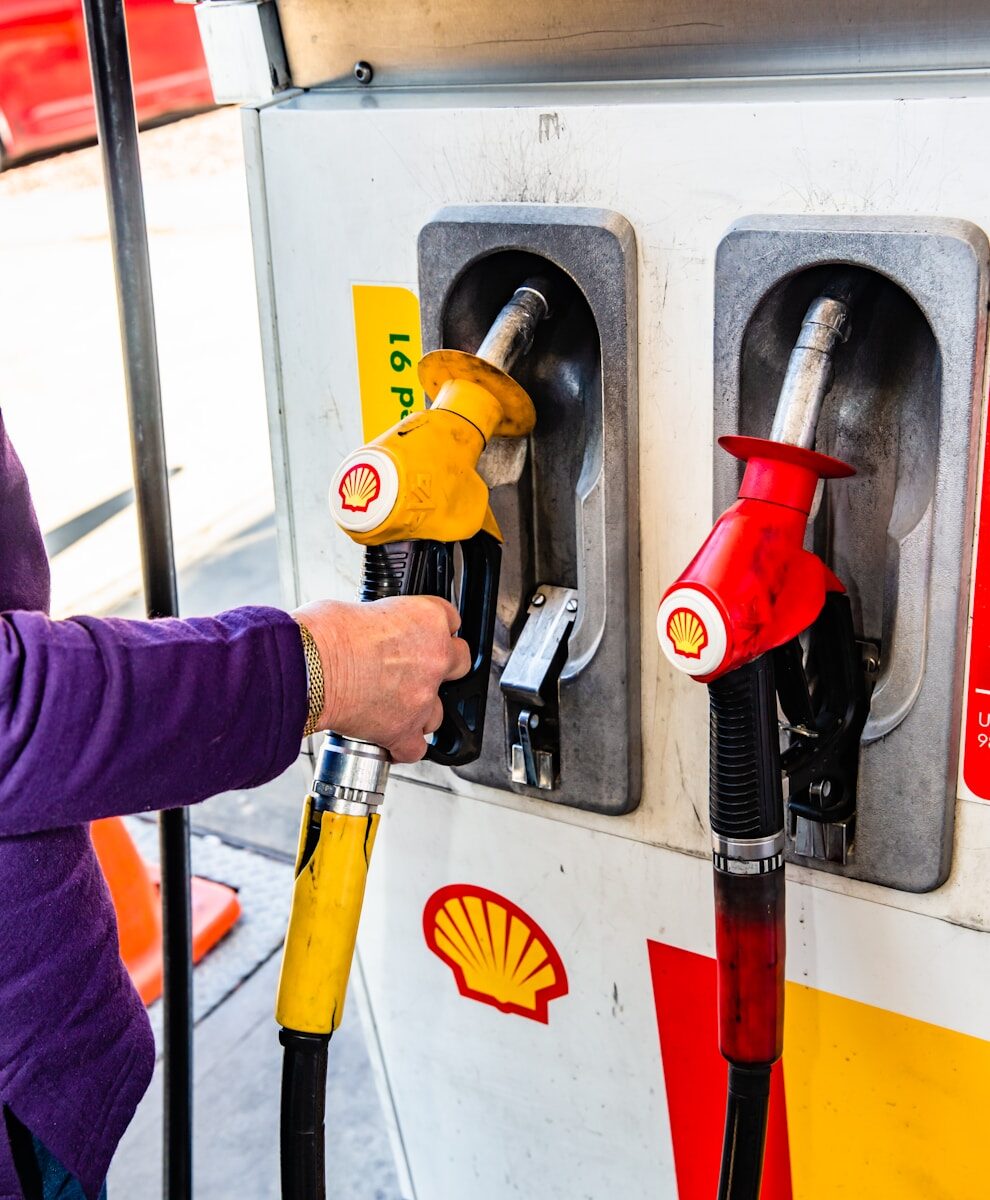
The biggest threat to South Africa’s inflation outlook remains the international oil market. Ongoing tensions in the Middle East and concerns about energy supply disruptions continue to create uncertainty around crude oil prices. Because South Africa imports most of its crude oil and refined fuel products, international price increases tend to filter through to local petrol and diesel prices relatively quickly.
Economic analysts note that fuel prices affect far more than motorists. Diesel powers much of South Africa’s freight, agricultural and logistics sectors. Higher diesel prices often result in increased transportation costs, which can eventually raise food prices and the cost of consumer goods across the economy.
Nedbank economists have outlined several possible scenarios for the economy. If global oil prices remain elevated because of prolonged geopolitical tensions, inflation could move closer to 4% or higher, reducing the likelihood of significant interest rate cuts. Economic growth could also slow as households and businesses face higher operating costs. Conversely, if oil prices stabilise and global tensions ease, inflation could remain within the Reserve Bank’s preferred range, creating conditions for further economic recovery.
South Africa’s broader economic outlook remains cautiously positive. Forecasts suggest economic growth could reach around 1.5% during 2026, supported by moderating inflation, structural reforms and improved investor confidence. However, growth remains vulnerable to external shocks, including global conflicts, commodity price movements and fluctuations in the rand exchange rate.
For ordinary South Africans, fuel prices will remain one of the most important indicators to watch over the coming months. Lower fuel prices help reduce transport costs and can slow inflation, while higher fuel prices often place pressure on household budgets, food costs and business expenses.
While the economy has shown encouraging signs during 2026, experts agree that the next few months will largely depend on developments in global oil markets. If international energy prices remain stable, South Africans could continue benefiting from lower inflation and a more favourable economic environment. If oil prices rise sharply, however, consumers may once again face increased pressure on their monthly finances.