Central Africa | Health | Infectious Diseases
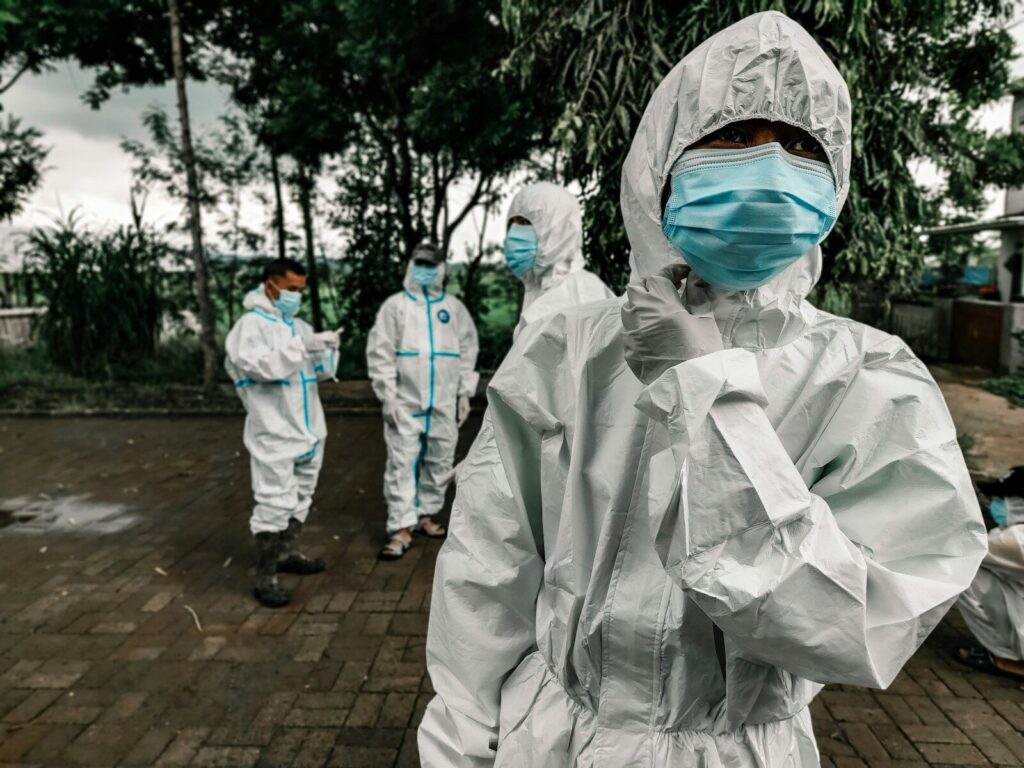
Health authorities and international agencies remain on high alert as efforts continue to contain a significant Ebola outbreak in Central Africa, with surveillance teams monitoring infections, tracing contacts and working to prevent the deadly virus from spreading across borders.
The outbreak has renewed concerns among public health experts due to Ebola’s high fatality rate and its ability to spread rapidly through direct contact with infected bodily fluids. Governments in affected regions have intensified response measures while healthcare workers remain on the front lines treating patients and monitoring communities for new cases.
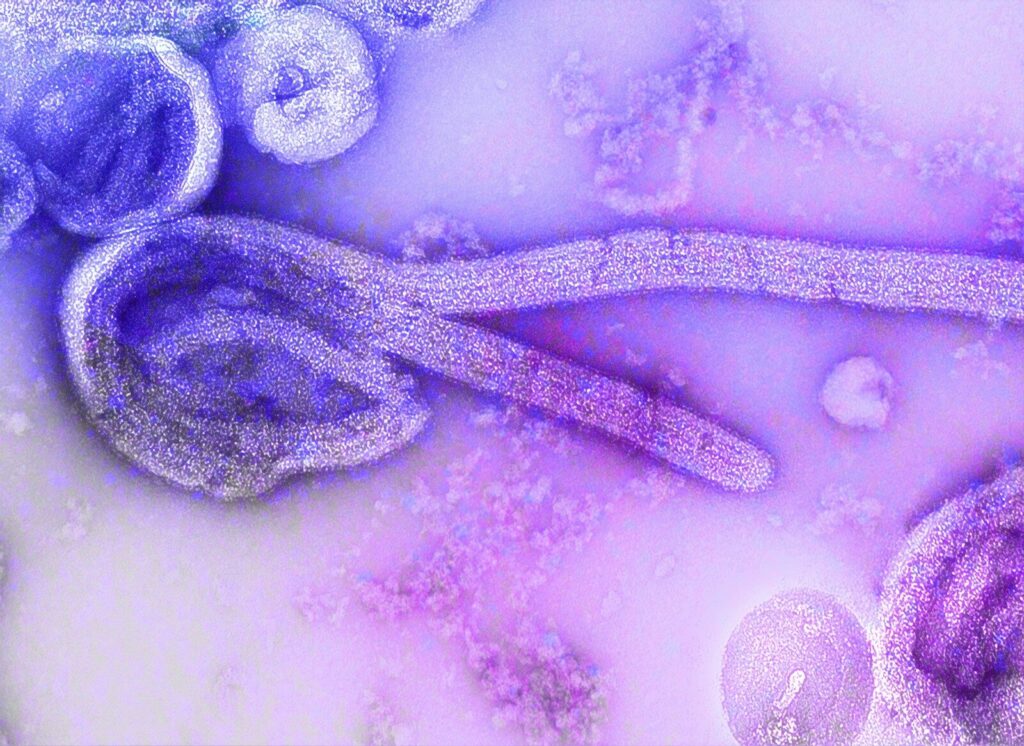
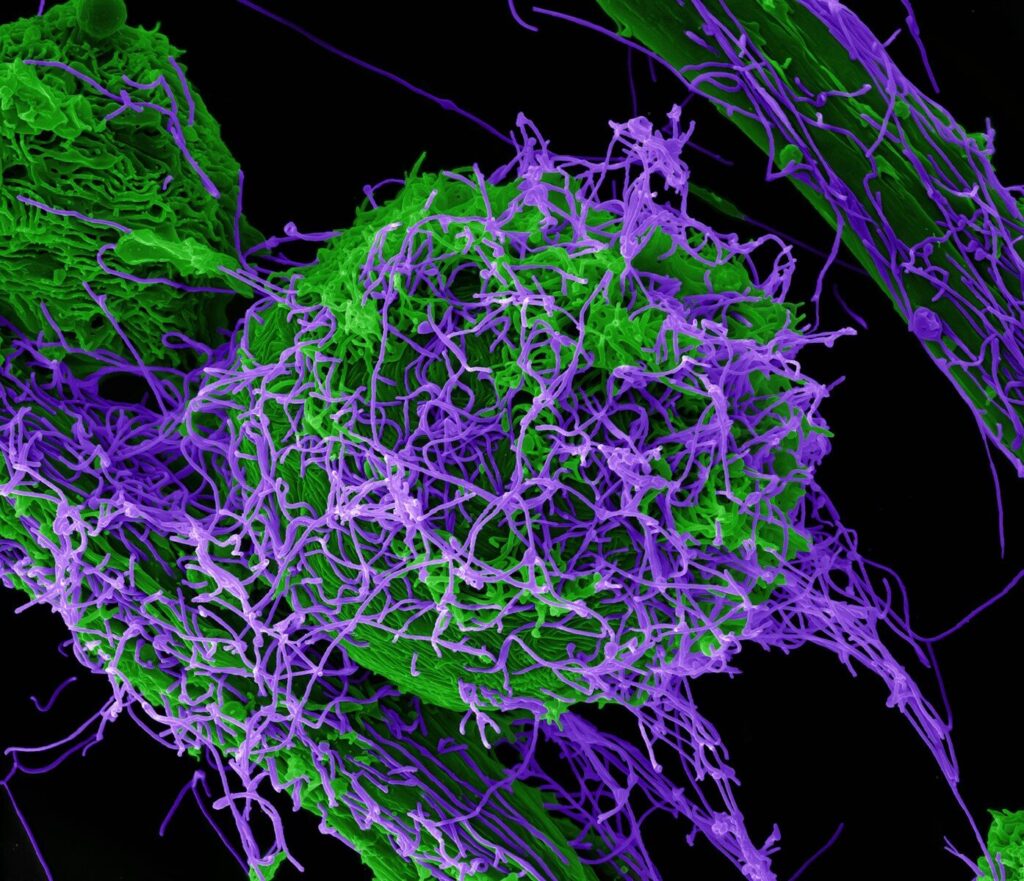
The Ebola virus disease was first identified in 1976 and has since caused multiple outbreaks across parts of Africa. Symptoms typically begin with fever, severe headache, muscle pain and fatigue before progressing to vomiting, diarrhoea and, in severe cases, internal and external bleeding. Without rapid treatment and containment measures, outbreaks can place enormous strain on already stretched healthcare systems.
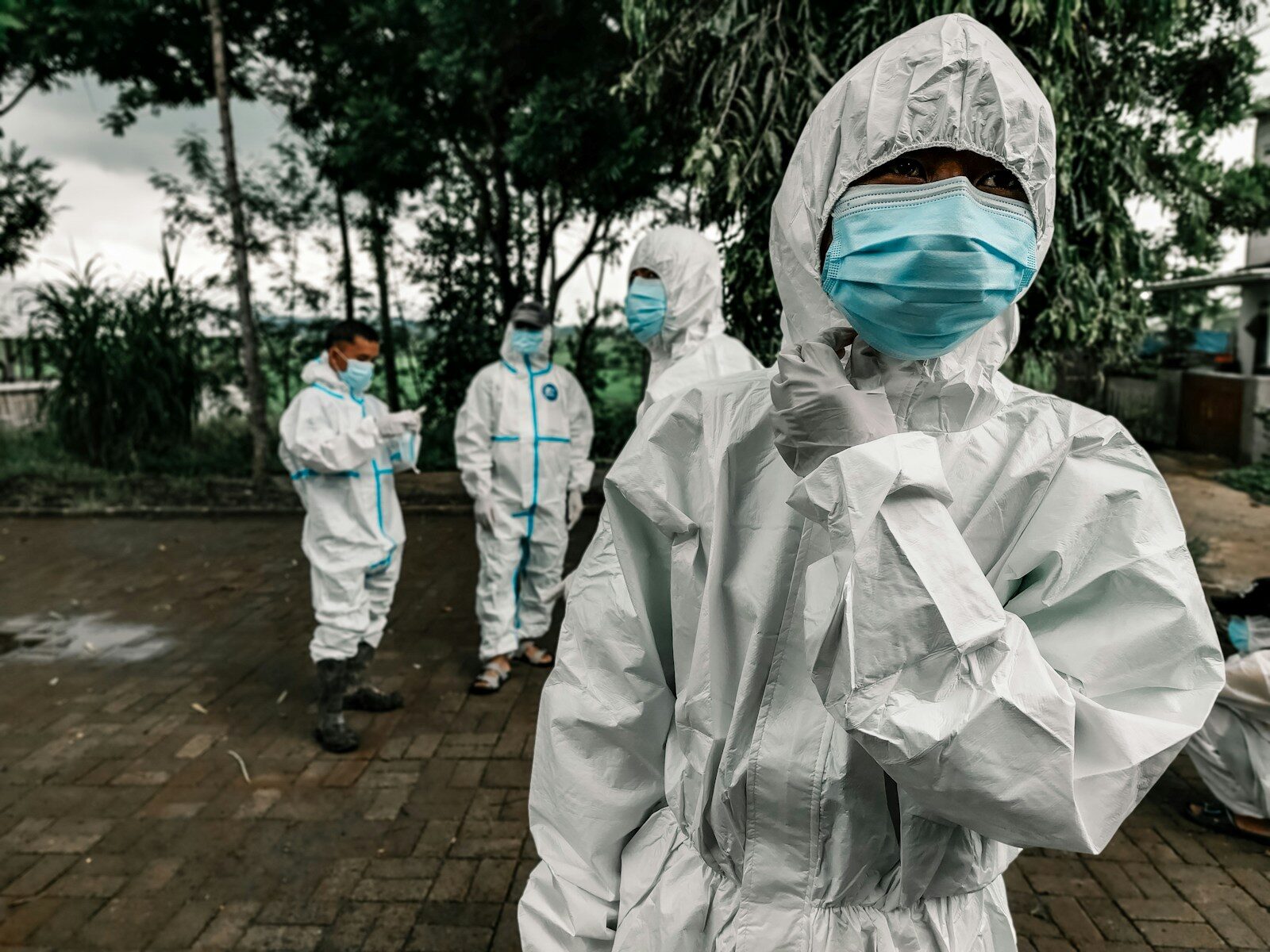
Health authorities have expanded contact tracing operations to identify people who may have been exposed to the virus. Individuals considered at risk are being monitored closely, while specialised treatment centres have been established to isolate confirmed cases and reduce transmission. These measures have become standard practice following lessons learned from previous outbreaks.
International support has also been mobilised. The World Health Organization (WHO), alongside regional health bodies and humanitarian organisations, continues providing technical assistance, laboratory support, medical supplies and outbreak response expertise. Global health agencies remain particularly focused on preventing the virus from crossing international borders and triggering wider regional health emergencies.
Vaccination programmes are playing a crucial role in the response. In recent years, advances in Ebola vaccine development have significantly improved outbreak management, allowing health authorities to rapidly vaccinate high-risk groups and frontline healthcare workers. Experts say these vaccines have become one of the most effective tools available in reducing transmission during outbreaks.
Public awareness campaigns are also being expanded. Health workers are engaging with local communities to provide accurate information about symptoms, prevention measures and the importance of seeking medical attention early. Combating misinformation remains a key challenge, as false claims can undermine public health efforts and discourage people from reporting symptoms.
The outbreak has also highlighted ongoing healthcare challenges in parts of Central Africa, where limited medical infrastructure, remote communities and regional instability can complicate response efforts. Health officials stress that early detection and community cooperation remain essential to bringing the outbreak under control.
While authorities say containment efforts are continuing, the situation remains under close observation. Experts caution that outbreaks can evolve quickly, making continued vigilance critical in the weeks and months ahead. Public health teams remain focused on breaking transmission chains and preventing further infections.
Although previous Ebola outbreaks have demonstrated the devastating impact the virus can have, advancements in surveillance, treatment and vaccination have strengthened the ability of health authorities to respond more effectively than ever before. International agencies remain hopeful that coordinated action will help contain the outbreak and prevent wider spread.