International | Breaking News | Nepal Flash Flood Disaster
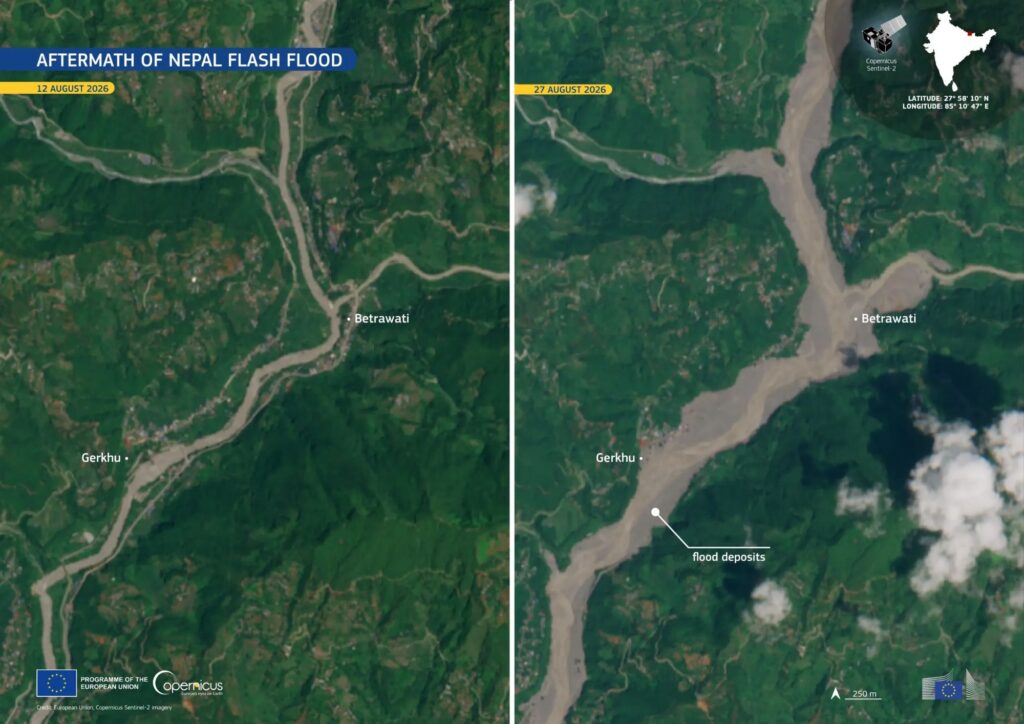
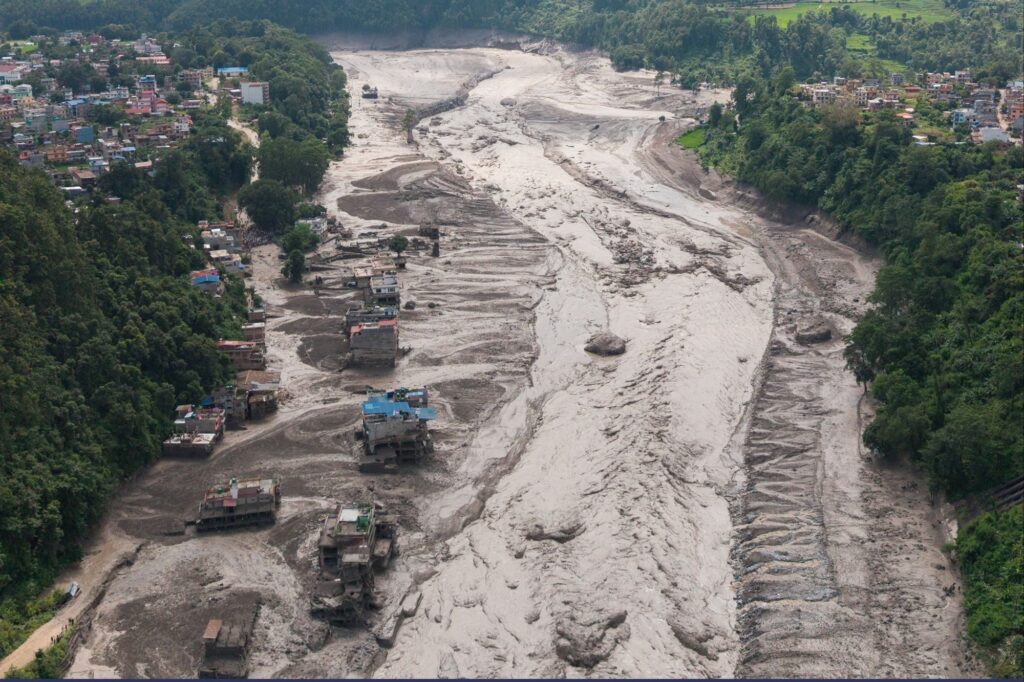
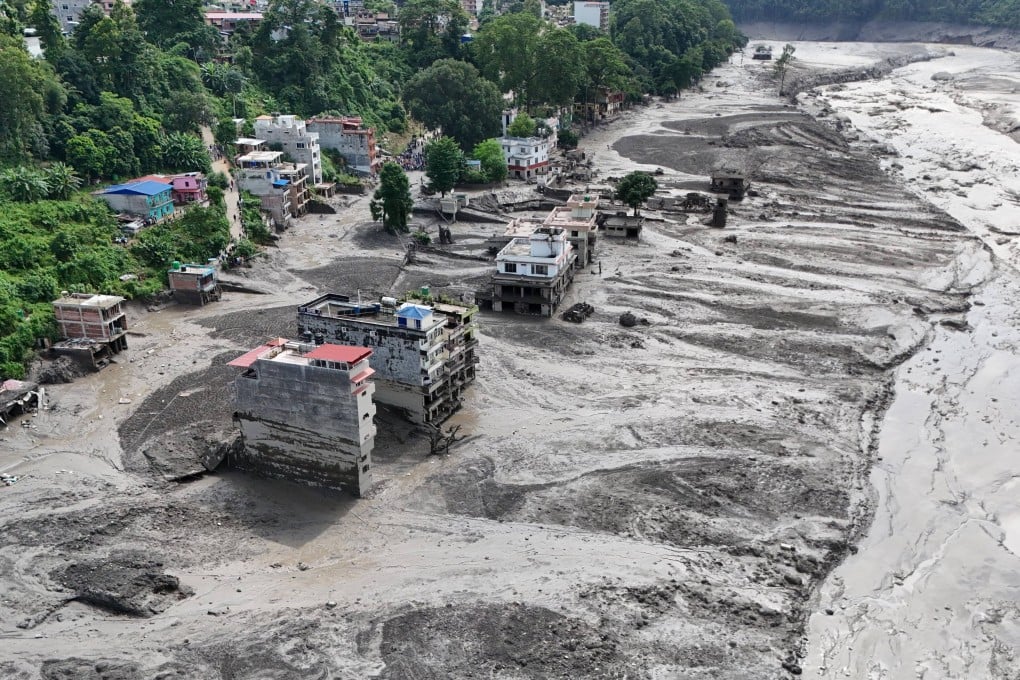
Nepal is facing one of the worst natural disasters in its recent history after catastrophic flash floods struck the Himalayan border region with China on 26 August 2026. Hundreds of people have been confirmed dead, thousands have been displaced and hundreds remain missing as rescue teams continue searching devastated communities along the Bhote Koshi and Trishuli river systems. The disaster has destroyed homes, bridges, roads, hydropower facilities and critical infrastructure, triggering a major humanitarian emergency.
The floods were triggered by a massive ice-rock avalanche and glacial collapse in the Himalayas near the Nepal-Tibet border. Experts believe an upstream collapse caused a sudden surge of water and debris that swept through mountain valleys with little warning, overwhelming communities in its path. Authorities say the resulting floodwaters and mudflows travelled rapidly downstream, devastating settlements across several districts.
According to Nepal’s Ministry of Foreign Affairs, hundreds of bodies have already been recovered while large numbers of people remain unaccounted for. The figures continue to change as search teams gain access to previously isolated areas and identify victims. Rescue operations are being conducted by the Nepal Army, police units, disaster management authorities and emergency responders working in extremely challenging conditions.
The hardest-hit areas include Rasuwa, Nuwakot, Dhading and Chitwan districts, where entire communities have suffered extensive destruction. Roads have been washed away, bridges destroyed and several hydropower installations severely damaged. Key trade routes connecting Nepal and China have also been disrupted, creating additional economic challenges for the country.
One of the most significant concerns remains the large number of missing people. Authorities have reported missing individuals from more than 30 countries, including India, China, the United States, the United Kingdom, Australia, Canada and South Africa. Nepal’s government has established emergency response teams and international coordination mechanisms to assist families seeking information about loved ones.
Humanitarian agencies warn that the disaster’s impact extends far beyond the immediate loss of life. The World Health Organization reports that health facilities have been damaged, access to medical services has been disrupted and thousands of households require urgent assistance. Concerns are also growing about disease outbreaks, unsafe drinking water and the psychological trauma experienced by survivors.
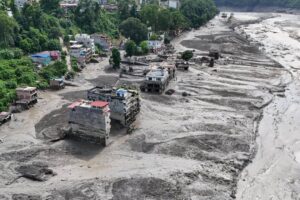
The International Red Cross estimates that approximately 93,000 people require humanitarian assistance following the floods. UNICEF has warned that around 17,000 children are in urgent need of support, while schools, health centres and public infrastructure have suffered widespread damage. Relief supplies are being distributed, but difficult terrain and damaged transport routes continue to hamper aid efforts.
Rescue efforts were temporarily suspended in some locations after the disaster created unstable mountain lakes and debris dams that posed additional flooding risks. Operations later resumed as authorities monitored water levels and assessed the danger of further collapses. Helicopters, drones and specialised rescue teams are being used to reach isolated communities and search for survivors.
Nepal’s government has indicated that reconstruction costs could reach between $4 billion and $5 billion as officials begin assessing the full scale of the damage. The country has requested international technical assistance for specialised rescue operations, infrastructure recovery and victim identification while continuing to lead search-and-rescue efforts domestically.
Scientists say the disaster highlights growing concerns about climate-related risks in the Himalayas. Rising temperatures have accelerated glacier melt across the region, increasing the likelihood of glacial collapses, landslides and sudden flood events. Experts warn that mountain communities throughout the Himalayas may face increasing threats unless monitoring systems and early-warning capabilities are strengthened.
As rescue teams continue their search and families await news of missing relatives, Nepal remains focused on emergency response, humanitarian relief and the long process of rebuilding communities devastated by one of the deadliest natural disasters the country has experienced in recent years.