South Africa | Health

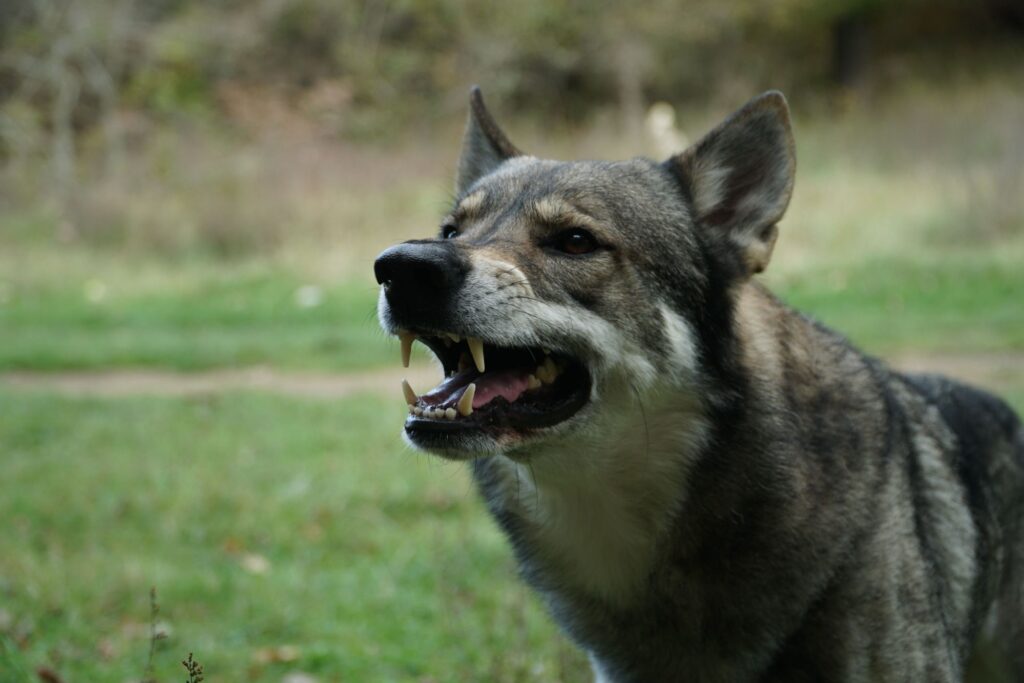
South Africa has recorded 15 human rabies deaths since the start of 2026, with health and agricultural authorities intensifying warnings to pet owners as the country prepares to mark World Rabies Day on 28 September under the global theme “Stronger Together.”
According to figures released by the Department of Agriculture and confirmed by the National Institute for Communicable Diseases (NICD), the toll as of 26 August 2026 stood at seven confirmed and two probable deaths in the Eastern Cape, five confirmed deaths in KwaZulu-Natal, and one confirmed death in Limpopo. Separately, laboratories recorded 115 rabies-positive animal cases nationwide between 1 January and 31 July 2026, underlining how widespread the virus remains among dogs, cats and wildlife.
Rabies is present in all nine provinces, but the Department of Agriculture has flagged the Eastern Cape, KwaZulu-Natal and Limpopo as the country’s most persistent hotspots. Working through the National Rabies Advisory Group, officials say the disease’s continued spread reflects gaps in dog and cat vaccination coverage, delayed medical treatment after bites, and limited awareness in some rural and peri-urban communities.
Agriculture Minister Willie Aucamp used the release of the latest figures to renew calls for basic preventative action. “Rabies is one of the world’s deadliest yet most preventable diseases. No one should lose their life to a disease we know how to prevent,” Aucamp said. He urged residents to vaccinate their dogs and cats, practise responsible pet ownership, report suspected rabid animals, and seek immediate medical care after any bite, scratch or contact with saliva from a potentially infected animal.
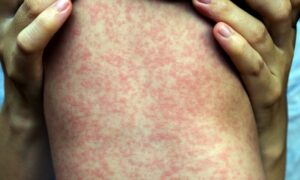
Rabies is almost always fatal once clinical symptoms appear, which typically include fever, headache, agitation, muscle spasms, hypersalivation, paralysis and extreme sensitivity to water or air. However, the disease is nearly 100 percent preventable if a person receives prompt post-exposure prophylaxis — thorough wound washing, a course of rabies vaccine and, where indicated, rabies immunoglobulin — before symptoms begin.
Regional data collected in eThekwini, KwaZulu-Natal, illustrates the human cost over time. Historical surveillance shows 19 human rabies deaths were recorded in the eThekwini metropolitan area between January 2021 and August 2026, 11 of them in the South Service Area. Among the documented cases, a three-year-old child from Ngonyameni died in September 2024 after contact with a dog suspected of carrying rabies. A 32-year-old man from eZimbokodweni died in May 2025 after being bitten by his own unvaccinated dog, and a further death was recorded in uMlazi later that year.
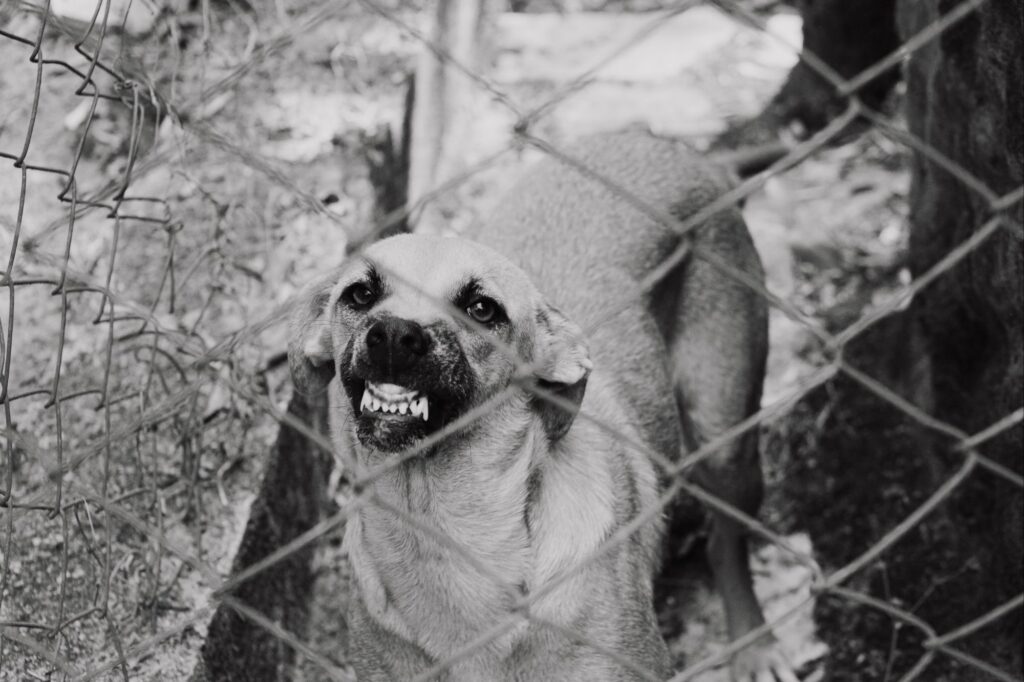
In response, local authorities have stepped up community vaccination and awareness drives in high-risk areas. On 30 August 2026, the One Health Action Group led a rabies awareness, vaccination and mange treatment drive in the Thenjane area south of Durban, aimed at protecting both animals and residents from preventable disease. In July, a targeted animal vaccination campaign covering Ethenjane, Emapayipini and Mgalaza vaccinated 141 dogs and seven cats, and provided treatment to 25 additional pets, as part of a broader push to raise immunity levels in dog populations, which remain the primary source of human rabies exposure in South Africa.
Under South African law, every pet owner is required to have dogs and cats vaccinated against rabies, with the first dose given from 12 weeks of age. The NICD notes that rabies vaccines registered for use in the country are safe when administered by a registered veterinary professional, and it maintains a public list of registered veterinary facilities through the South African Veterinary Council (SAVC).
Human rabies is classified as a Category 1 notifiable medical condition in South Africa, meaning healthcare workers must report suspected or confirmed cases to health authorities within 24 hours of clinical suspicion or laboratory confirmation. This surveillance system allows the NICD to track outbreaks by province and district and to direct emergency vaccination campaigns to the areas of greatest risk.
South Africa’s 2026 World Rabies Day observance falls under the international theme “Stronger Together,” chosen to emphasise that eliminating rabies requires coordinated action across communities, pet owners, veterinary and para-veterinary professionals, healthcare workers, government departments, policymakers and international partners. The NICD says a national social media awareness campaign will run throughout September, using the hashtags #WorldRabiesDay and #WRD2026, alongside educational drives, pet vaccination clinics and community outreach events in high-burden districts.
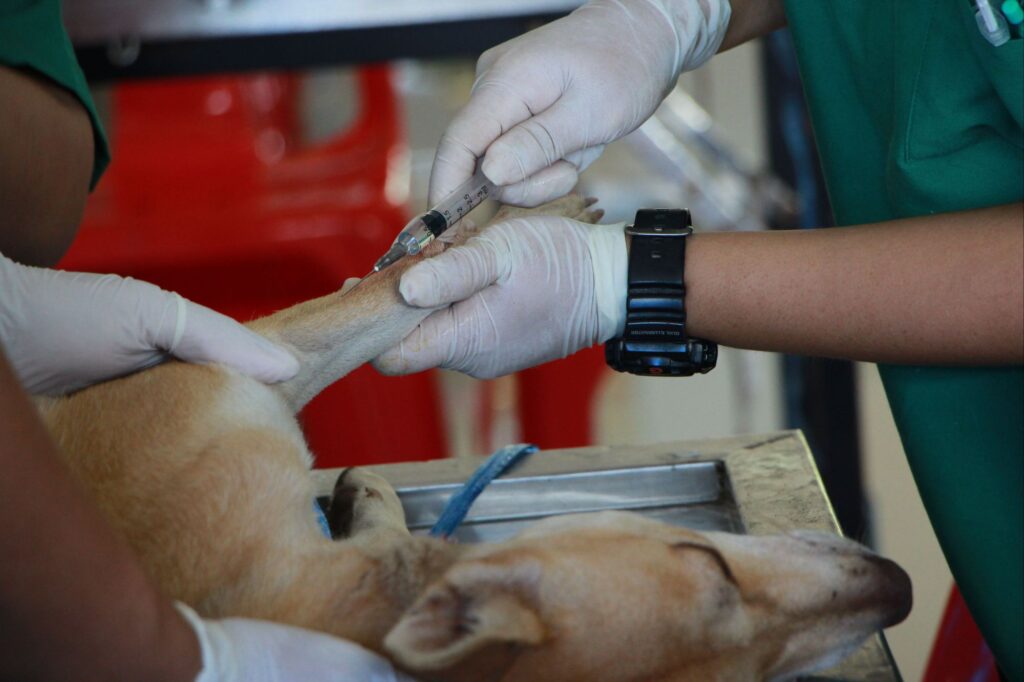
Health authorities are urging the public to take three simple steps: ensure dogs and cats are up to date on rabies vaccinations, avoid contact with unfamiliar or wild animals, and seek medical attention immediately — not days or weeks later — after any bite, scratch or lick from an animal that could be infected. Delayed treatment has been repeatedly linked to fatal outcomes in cases reviewed by the NICD, including instances where victims received no post-exposure prophylaxis at all or did not complete the full vaccination course.
With just over two weeks remaining before World Rabies Day, officials say the coming campaign period will be critical to reducing further deaths before the end of the year and reversing the upward trend recorded since January.