South Africa | Health
South Africa has recorded more than 4,000 laboratory-confirmed measles cases in 2026, with health authorities warning that falling childhood immunisation rates and growing vaccine hesitancy are driving one of the country’s worst measles resurgences in years — a pattern being mirrored in the United States, where 2026 has become the worst year for measles infections since the early 1990s.
According to the National Institute for Communicable Diseases’ (NICD) weekly measles and rubella situation report for week 35 of 2026, accessed on 3 September 2026, a total of 4,188 laboratory-confirmed measles cases were reported nationally between 29 December 2025 and 30 August 2026. That figure represents 125 additional cases since the previous week’s report alone, with the NICD confirming that “national measles surveillance has detected an increase in measles cases nationwide.”
In the most recent reporting week, Limpopo recorded the highest number of new cases at 22, followed by Gauteng and the Northern Cape with 21 each, KwaZulu-Natal with 17, Free State with 16, Western Cape with nine, North West with eight, Eastern Cape with six, and Mpumalanga with five. The figures mark a shift from earlier in the year, when the Western Cape — particularly the City of Cape Town — was the epicentre of the outbreak, alongside emerging clusters in the Free State’s Fezile Dabi and Xhariep districts, eThekwini, King Cetshwayo and uMkhanyakude in KwaZulu-Natal, and Pixley Ka Seme in the Northern Cape.
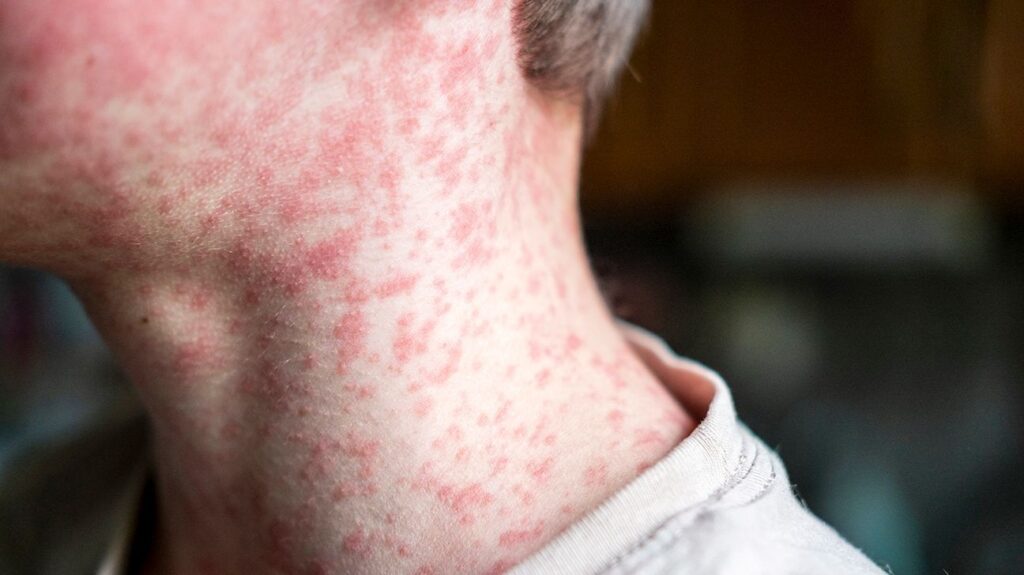
By late June 2026, the national case count stood at 2,476, with the NICD noting that 70.6 percent of cases were in children aged one to 14, but that 17.7 percent of confirmed infections were now occurring in people older than 15 — a demographic pattern health officials say points to a growing “immunity gap” among older children, teenagers and adults who were either never fully vaccinated or missed catch-up doses during periods of health system disruption.
The NICD has been explicit about the root causes. The institute has stated that outbreaks “usually occur in areas with low vaccination coverage, where many children are either unvaccinated or under-vaccinated,” and has called for public awareness campaigns to be intensified “to build trust in vaccines and address hesitancy by engaging with community leaders, healthcare workers, and other stakeholders to promote vaccine acceptance.” Health analysts have linked the immunity gaps partly to pandemic-era disruptions to routine child immunisation schedules and partly to the spread of vaccine misinformation, which has eroded uptake of the free measles-rubella vaccine offered at six and 12 months through the Department of Health’s routine immunisation programme.
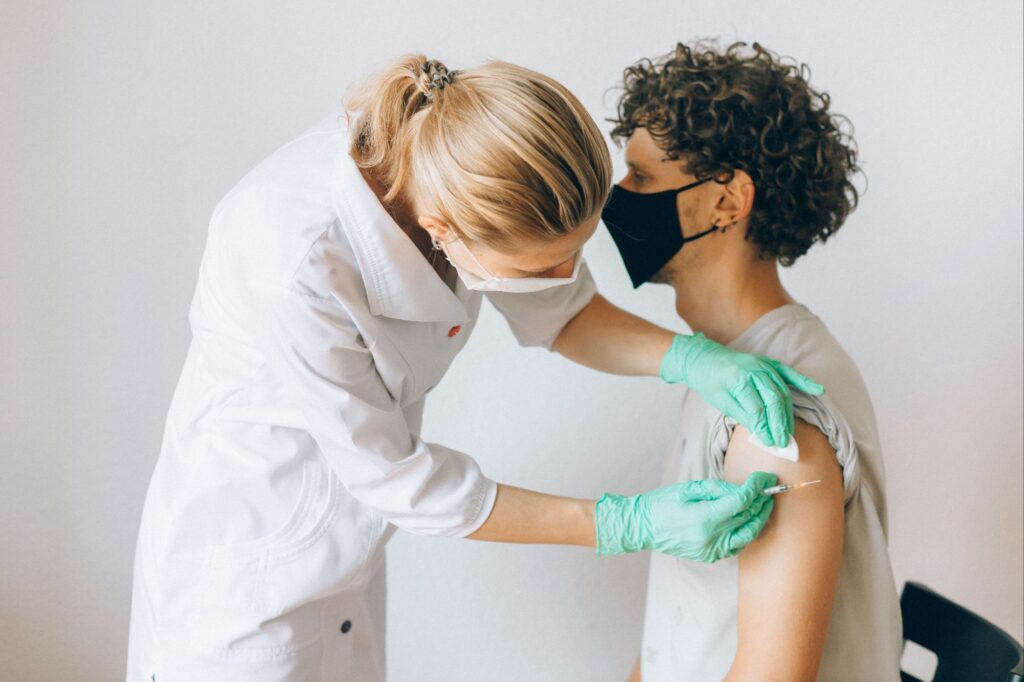
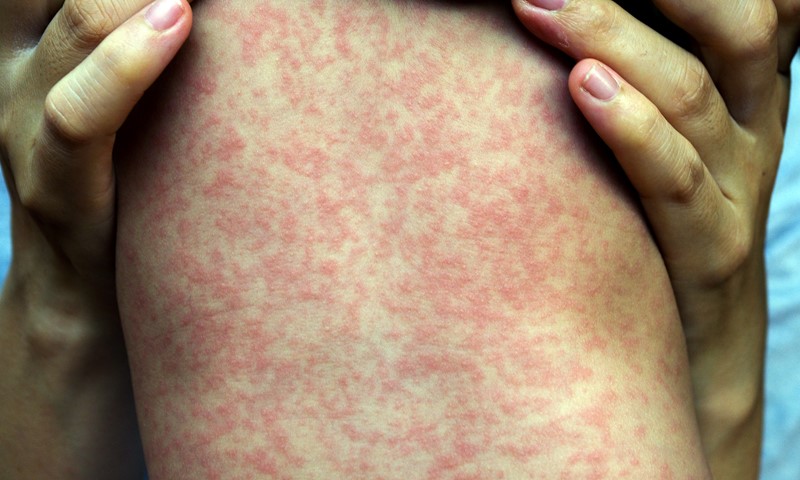
Responding to a parliamentary question earlier this year from the Democratic Alliance’s Michéle Clarke, Health Minister Dr Aaron Motsoaledi confirmed the scale of the national outbreak and the department’s ongoing response. In the Western Cape, provincial health authorities said they had ramped up immunisation efforts since October 2024 to protect young children from what officials describe as serious and potentially life-threatening vaccine-preventable disease. Measles can cause pneumonia, severe diarrhoea, brain inflammation and blindness, with complications most severe in infants under two and in malnourished children. The Western Cape Department of Health has urged parents “not to assume their children are immune” and to bring children for routine immunisation, including catch-up doses for those who missed scheduled shots, which remain available free at public clinics as well as through private providers.
The measles resurgence is not confined to South Africa. In the United States, the Centers for Disease Control and Prevention reported 3,294 confirmed measles cases as of 10 September 2026, making this year the country’s worst for measles since the early 1990s and surpassing last year’s already record-breaking total. The American Academy of Pediatrics’ Red Book service recorded 3,134 confirmed cases across 47 jurisdictions as of 3 September 2026, including 16 cases among international visitors, with 38 new outbreaks declared in 2026 alone — up from 16 outbreaks in 2024 and 48 in 2025. U.S. health officials have directly tied the surge to declining childhood vaccination rates, with kindergarten MMR coverage falling to 92.5 percent in the 2024-25 school year, below the roughly 95 percent threshold needed for community immunity. The outbreak’s epicentre shifted through the year from South Carolina, where more than 600 cases were confirmed before the outbreak was declared over in April, to Pennsylvania, which has reported hundreds of new cases since July.
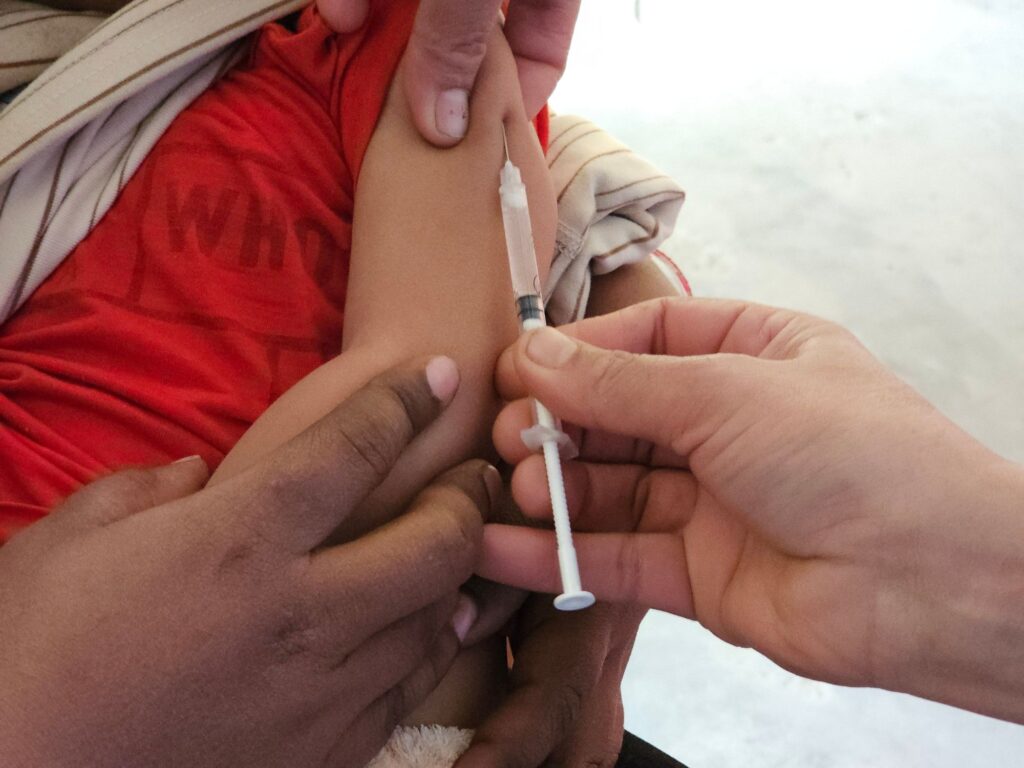
Public health bodies on both continents describe the same underlying driver: a combination of pandemic-linked disruption to routine vaccination and the spread of anti-vaccine misinformation, which has left growing pockets of unvaccinated and under-vaccinated children and adults vulnerable to a virus considered one of the most contagious in the world. Health authorities stress that roughly nine in ten unvaccinated people exposed to measles will contract it, and that the measles-mumps-rubella (MMR) vaccine remains safe and highly effective, generally requiring two doses for full protection.
The Department of Basic Education in South Africa has urged schools to check learners’ vaccination status and report suspected measles cases promptly, while the NICD continues to call for suspected cases to be investigated immediately, with blood specimens collected for laboratory confirmation and notification made through the Notifiable Medical Conditions Surveillance System. Health officials on both sides of the Atlantic say the coming months will be decisive in determining whether the current surge can be brought under control or develops into a prolonged, multi-year public health crisis, with community trust in vaccines identified as the single biggest factor standing in the way of elimination.