Breaking News | International | Indonesia
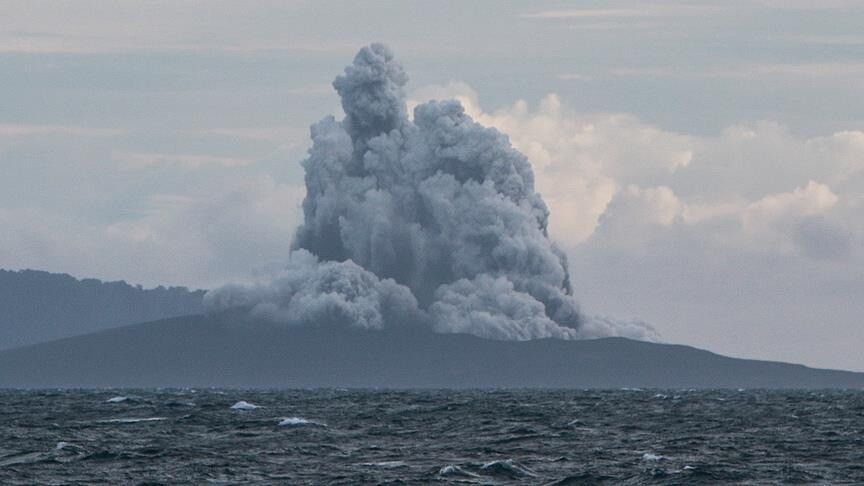
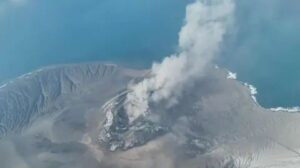
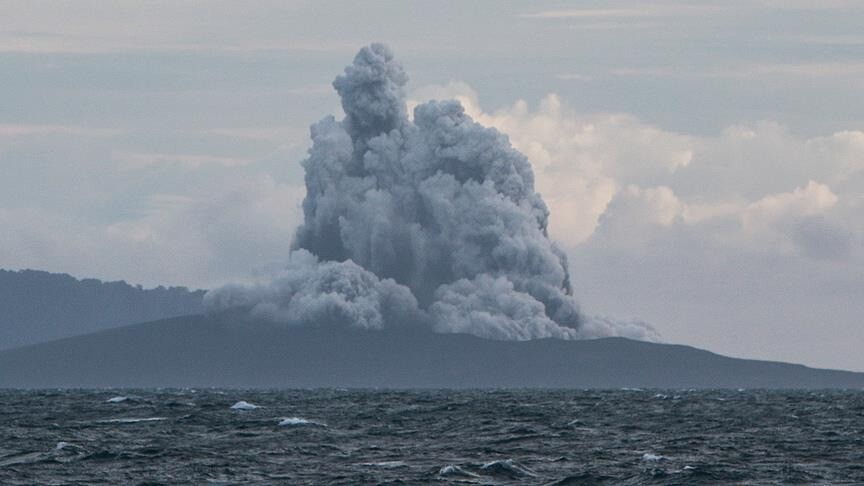
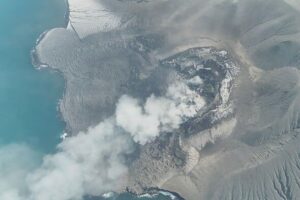
A powerful eruption of Indonesia’s Anak Krakatau volcano has caused major disruption across the country, forcing the temporary closure of Jakarta’s main international airport and affecting more than 170,000 passengers. The eruption, which intensified between 5 and 6 September 2026, sent massive volcanic ash clouds as high as 15 kilometres into the atmosphere, prompting aviation authorities to suspend flights, close schools and issue public health warnings across parts of Java and Sumatra. The event has become one of the biggest international natural disaster stories of the week because of its impact on travel, public safety and regional transportation networks.
Indonesia’s Transport Ministry confirmed that flight operations were suspended at eight airports, including the country’s busiest airport, Soekarno-Hatta International Airport near Jakarta. More than 1,500 flights were affected nationwide, while approximately 170,000 passengers experienced delays, cancellations or diversions as volcanic ash spread across key air routes. Airlines including Singapore Airlines, Malaysia Airlines, AirAsia and Lion Air cancelled services to and from Jakarta as authorities prioritised passenger safety.
The volcano, located in the Sunda Strait between the islands of Java and Sumatra, has been erupting continuously since late on Friday, 4 September 2026. Indonesia’s Meteorology, Climatology and Geophysics Agency (BMKG) reported that ash clouds reached around 6,000 metres on the Java side of the volcano and as high as 15,000 metres on the Sumatra side. Such ash poses a serious hazard to aircraft because it can damage jet engines, reduce visibility and interfere with navigation systems.
Passengers at Jakarta’s airport described scenes of confusion as flights were repeatedly delayed and cancelled. Airport authorities coordinated with airlines to provide accommodation, food and transport assistance for stranded travellers. Alternative airports in Semarang, Surabaya and other cities were designated to help ease congestion and support diverted flights.
The eruption has also disrupted daily life beyond the aviation sector. Schools in parts of Jakarta, Lampung and Banten suspended classes or shifted to remote learning after ashfall caused eye irritation and respiratory concerns among students and residents. Fishermen in affected coastal areas cancelled trips due to poor visibility and safety concerns. Authorities distributed protective masks and advised residents to remain indoors where possible.
Indonesia’s National Disaster Mitigation Agency (BNPB) said there is currently no imminent tsunami threat from the eruption, helping to ease fears among coastal communities. Officials are planning weather-modification operations, including cloud-seeding efforts, in an attempt to encourage rainfall that could help clear volcanic ash from heavily affected areas.
Anak Krakatau, which means “Child of Krakatau,” emerged from the sea in the early 20th century within the caldera left by the catastrophic 1883 eruption of Krakatoa. That historic eruption remains one of the deadliest volcanic disasters ever recorded, generating tsunamis that killed more than 36,000 people across the region. More recently, a 2018 eruption triggered a tsunami that claimed more than 400 lives along the coasts of Java and Sumatra.
Indonesia sits on the Pacific Ring of Fire, one of the world’s most active seismic and volcanic zones. The country has approximately 130 active volcanoes and experiences frequent earthquakes and eruptions. Authorities have maintained Anak Krakatau at Alert Level 3, the second-highest warning level, and continue monitoring the volcano closely for further activity.
With flight schedules still recovering and ash clouds continuing to affect parts of western Indonesia, authorities are urging residents and travellers to remain vigilant. The coming days will determine how quickly transportation networks can return to normal and whether further eruptions could prolong disruptions across Southeast Asia.