South Africa |
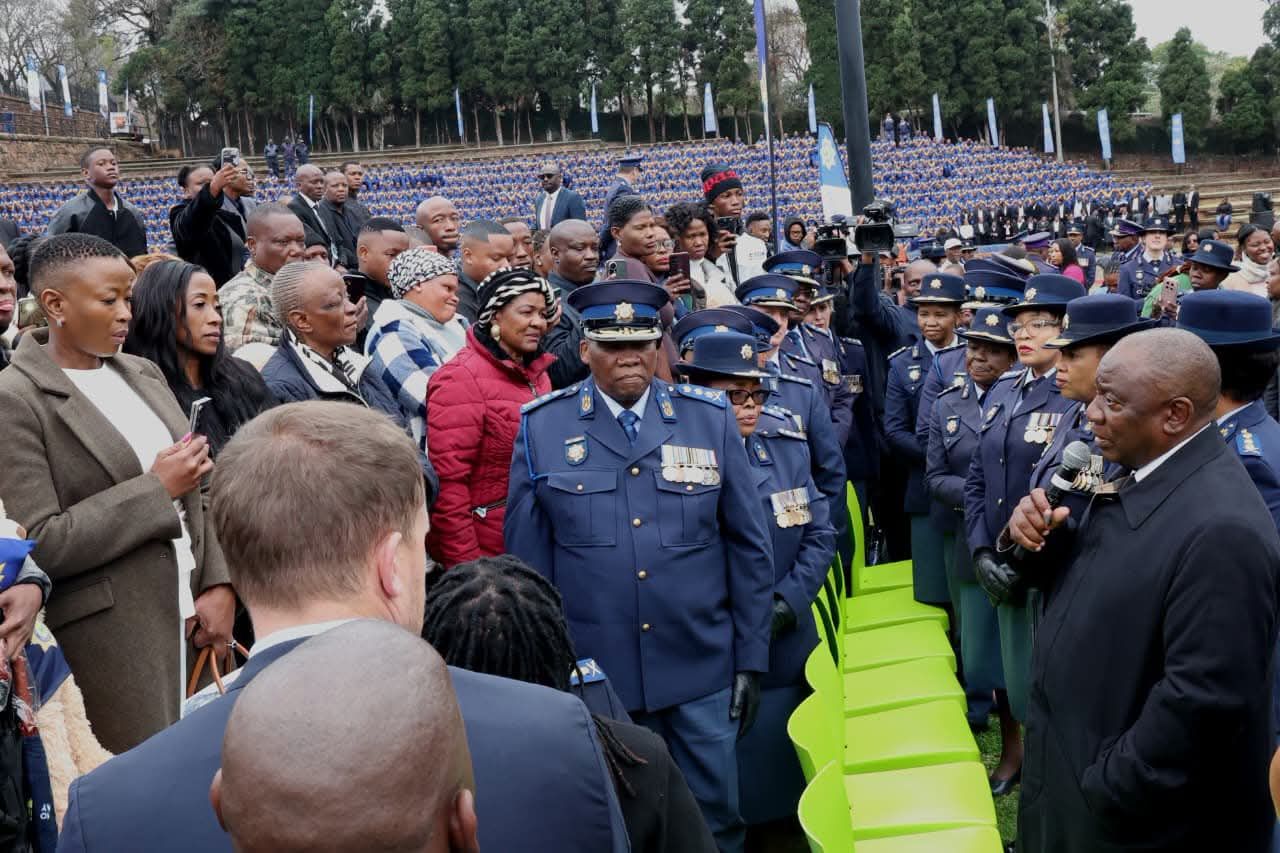
President Cyril Ramaphosa has called for a determined effort to root out corruption, criminal infiltration and political interference within the South African Police Service (SAPS), warning that public trust in law enforcement cannot be restored unless those responsible for wrongdoing are removed from the organisation. His remarks come amid intense national scrutiny of SAPS following allegations of corruption and criminal influence within parts of South Africa’s criminal justice system.
In his weekly presidential newsletter published on Monday, 7 September 2026, Ramaphosa said South Africans have a right to know that the people entrusted with fighting crime are not themselves working with criminals. The President stressed that the fight against crime and the fight against corruption within law enforcement are inseparable.
The comments come as the country continues to follow proceedings at the Judicial Commission of Inquiry into Criminality and Political Interference in the Criminal Justice System, chaired by Judge Mbuyiseli Madlanga. The commission has heard allegations involving criminal infiltration, corruption and interference within elements of law enforcement and other institutions. Ramaphosa described these allegations as deeply disturbing and said the commission must be allowed to continue its work without fear, favour or interference.
The President acknowledged that confidence in the police remains a significant challenge. He pointed to findings from Statistics South Africa’s 2025/2026 Governance, Public Safety and Justice Survey, which found that some crime victims do not report offences because they believe police will not take action. Ramaphosa said this perception cannot simply be dismissed and must be addressed through meaningful reforms and improved service delivery.
According to the President, trust is one of the most important tools available in the fight against crime. Communities need confidence that when they report crimes, police will respond professionally, investigate properly and treat victims with dignity. Without public cooperation, authorities face greater challenges in identifying suspects, gathering evidence and securing convictions.
Ramaphosa was careful to distinguish between corrupt individuals and the broader police service. He noted that SAPS has more than 180,000 members and over 3,000 reservists who carry out their duties daily, often under difficult and dangerous circumstances. He said the actions of a corrupt minority should not overshadow the work of the thousands of officers who serve communities honestly and professionally.
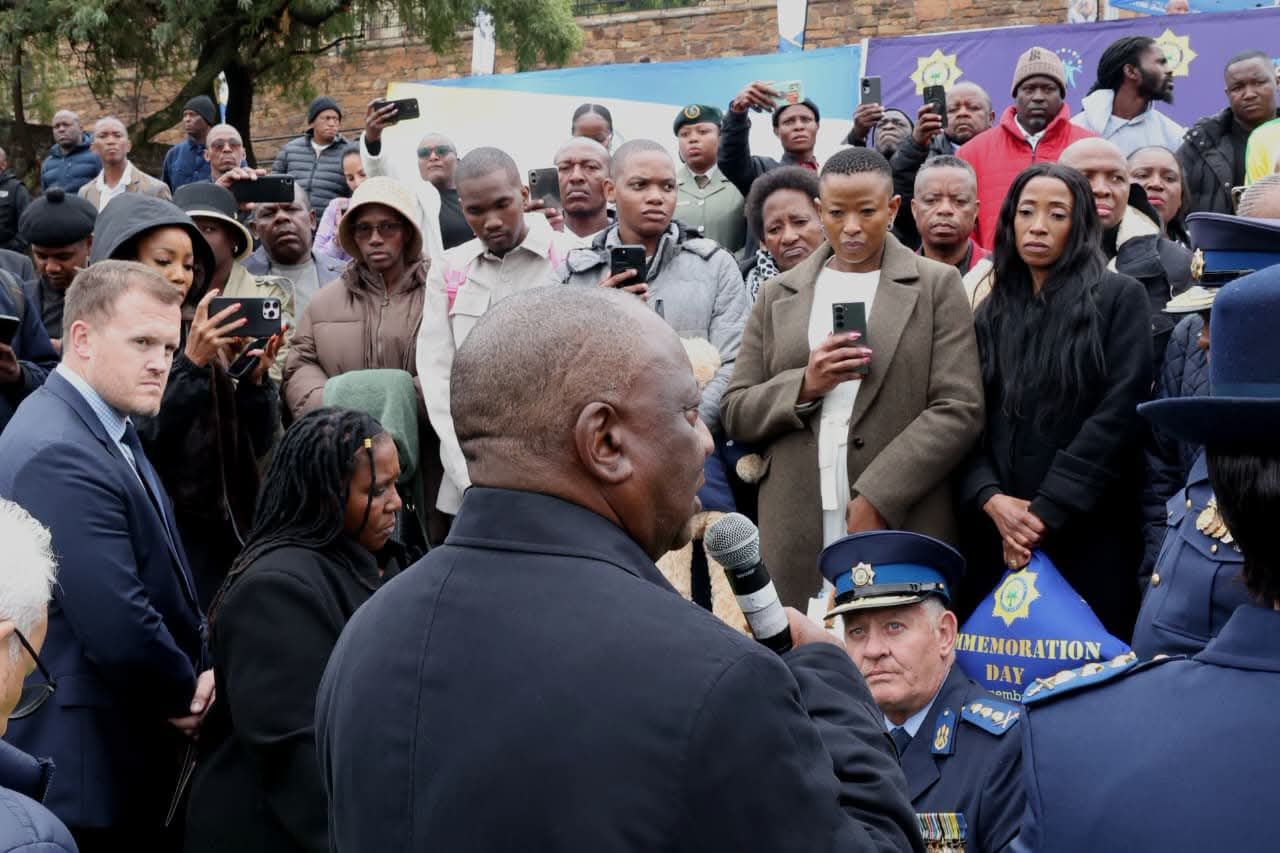
At the same time, the President insisted there can be no tolerance for criminal behaviour within the police service. He said there is no place in SAPS for corruption, criminals or political interference, adding that government owes it to honest officers to remove those who dishonour the badge.
The call for reform follows a series of anti-corruption initiatives announced by government in recent months. These include investigations arising from the Madlanga Commission, the re-vetting of senior SAPS management by the State Security Agency and the implementation of lifestyle audits aimed at identifying unexplained wealth and potential corruption risks.
Government has also continued efforts to strengthen policing capacity through the recruitment of new officers, improved training programmes and a greater focus on professionalisation. Ramaphosa said future recruitment and promotion within SAPS must be based on merit, competence and integrity, while psychometric and integrity testing now forms part of the selection process for recruits.
The President further called for stronger crime intelligence, improved detective services, better forensic capabilities and greater use of technology to help combat organised crime, illegal mining, human trafficking, infrastructure vandalism, smuggling and other priority crimes affecting communities across South Africa.
Political analysts say the remarks are likely to resonate strongly with a public increasingly frustrated by crime levels and allegations of corruption within state institutions. The outcome of the Madlanga Commission and related investigations could have significant implications for the future leadership, structure and accountability mechanisms within SAPS.
For many South Africans, the issue goes beyond policing alone. It touches on public confidence in government institutions, the rule of law and the state’s ability to protect citizens from crime while maintaining integrity within its own ranks.