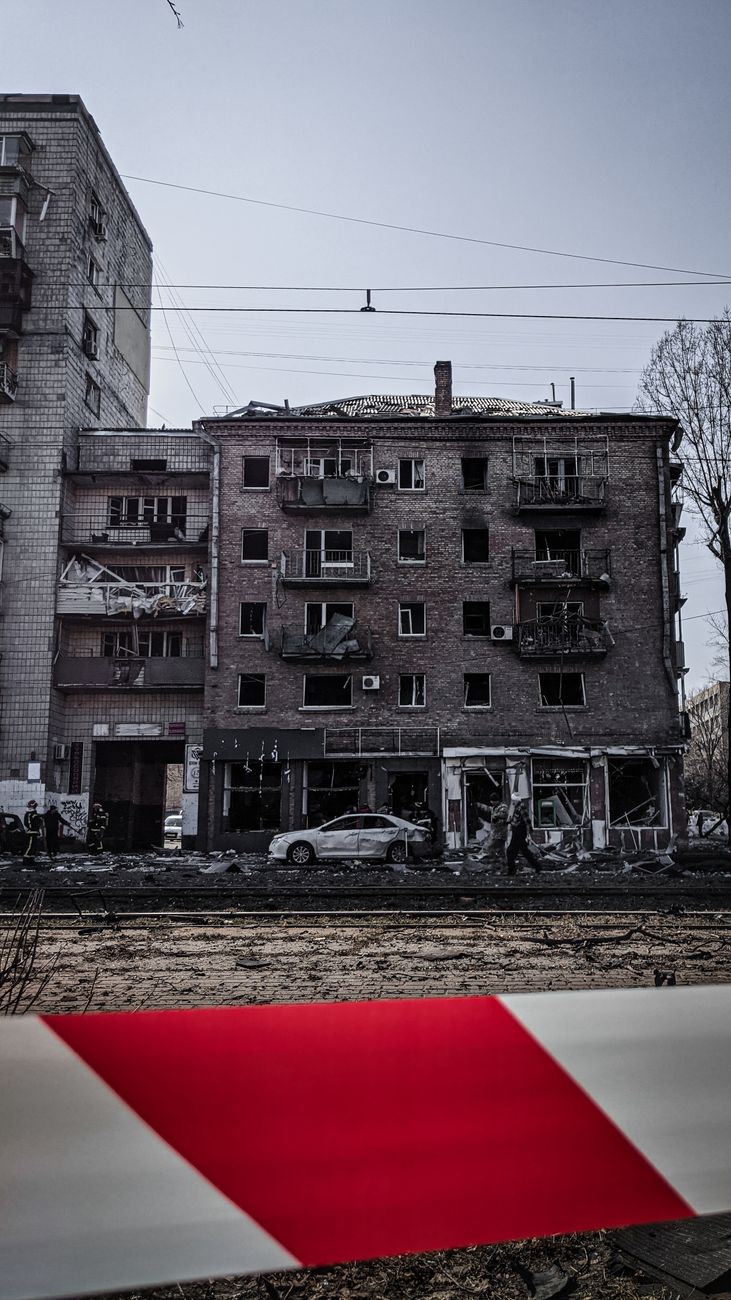
The war between Russia and Ukraine continues to intensify more than four years after Russia’s full-scale invasion began in February 2022, with new battlefield developments highlighting how the conflict has evolved into a prolonged war of attrition fought not only along the front lines but also deep inside both countries.
Recent days have seen a combination of intensified drone warfare, long-range strikes, continued fighting in eastern Ukraine and growing efforts by both sides to strengthen their military capabilities. Military analysts increasingly describe the conflict as one of the most technologically advanced wars in modern history, with drones, electronic warfare systems and precision strikes playing an increasingly central role on the battlefield.
One of the most notable developments has been Ukraine’s continued campaign of long-range drone attacks targeting infrastructure deep inside Russia. Ukrainian drones recently struck facilities linked to Russia’s largest online retailer, Wildberries, in Yekaterinburg, more than 2,000 kilometres from the Ukrainian border. The attack caused a fire at a logistics hub and formed part of a broader strategy aimed at disrupting Russian logistics and increasing the domestic economic costs of the war. Russian authorities reported intercepting several drones during the attack.
The strikes are part of a wider Ukrainian effort to target oil facilities, logistics centres, military infrastructure and supply networks far beyond the front lines. Ukrainian officials argue that such attacks are intended to weaken Russia’s ability to sustain military operations while also demonstrating that areas previously considered secure are increasingly vulnerable to modern drone warfare.
Meanwhile, fighting remains particularly intense in eastern Ukraine, especially around parts of the Donetsk region. Russian forces continue to press offensive operations aimed at weakening Ukrainian defensive positions and securing additional territory. Although Russian troops have made gains in some areas over the course of 2026, analysts note that advances have generally been slow and costly, with both sides suffering significant losses in personnel and equipment.
Military experts say Russia’s strategy remains focused on applying sustained pressure across multiple sectors of the front while attempting to exhaust Ukrainian resources. Some assessments indicate that Moscow continues to prioritise operations aimed at key Ukrainian defensive strongholds in the Donbas region, including areas near Kostiantynivka and the wider fortress belt protecting major cities such as Sloviansk and Kramatorsk.
Ukraine, however, has continued to rely heavily on drones to offset Russia’s numerical advantages. Ukrainian defence officials reported earlier this year that the country’s forces had conducted hundreds of thousands of verified drone strikes against Russian targets, with unmanned systems now accounting for the overwhelming majority of successful battlefield attacks. Drones are being used not only for reconnaissance but also for direct strikes against vehicles, troop concentrations, logistics routes and strategic infrastructure.
President Volodymyr Zelenskyy has also placed growing emphasis on expanding Ukraine’s domestic defence industry. This week he announced efforts to accelerate the development of Ukrainian missile systems and anti-ballistic missile technology as part of broader cooperation with European partners. Ukrainian officials believe greater self-sufficiency in weapons production will be critical as the conflict continues.
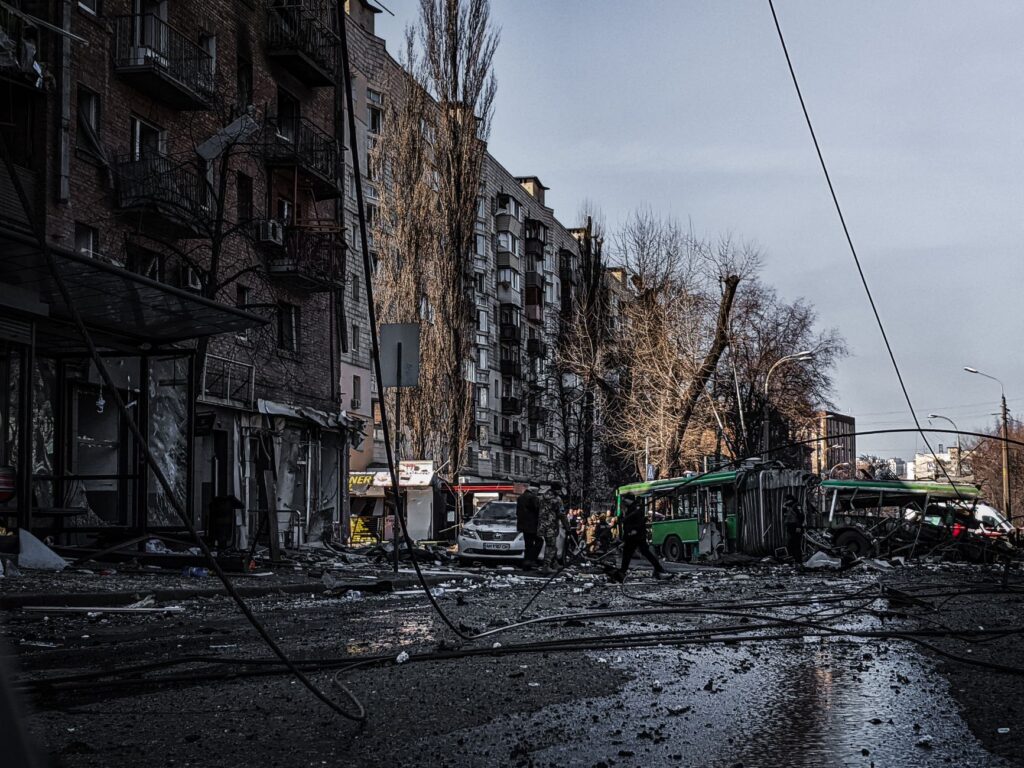
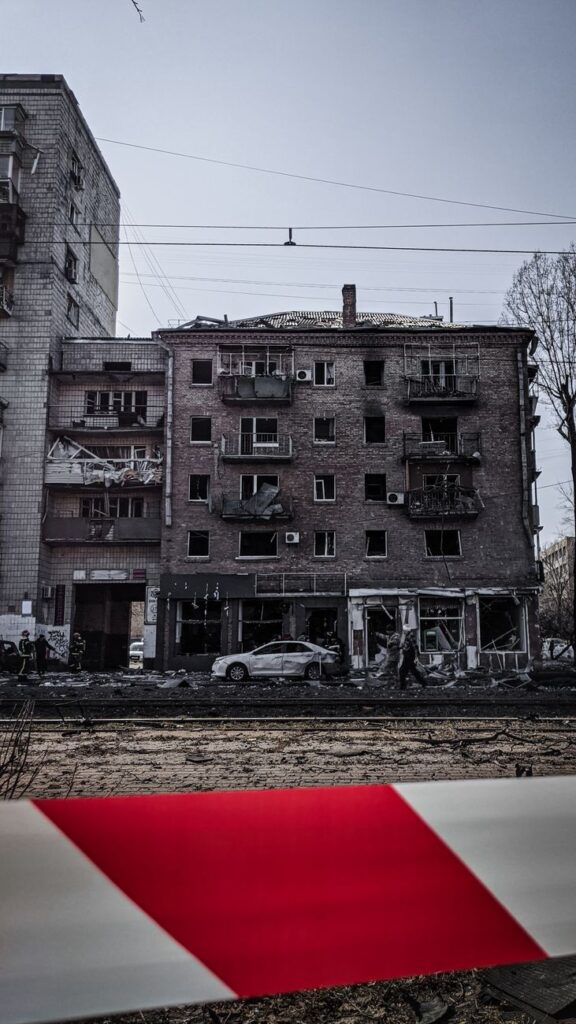
At the same time, Russia has continued large-scale missile and drone attacks against Ukrainian cities and infrastructure. International monitoring organisations have reported a sharp rise in aerial attacks throughout 2026, with major cities including Kyiv frequently targeted. Civilian casualties and damage to infrastructure remain a significant concern, while humanitarian organisations continue to warn about the impact of the war on civilians.
Despite ongoing military operations, there is currently little indication that either side is close to achieving a decisive breakthrough. Many analysts believe the conflict is likely to remain a prolonged contest of endurance, with both Russia and Ukraine seeking incremental gains while relying increasingly on technology, industrial capacity and international support.
As the conflict enters another critical phase, the international community continues to watch closely. Western nations remain committed to supporting Ukraine through military and financial assistance, while Russia continues to invest heavily in sustaining its war effort. The coming months are expected to bring further drone campaigns, continued fighting along the eastern front and renewed efforts by both sides to gain a strategic advantage before winter conditions once again reshape battlefield operations.