Pretoria, South Africa |
The Inter-Ministerial Committee (IMC) on Migration has confirmed that close to 90 000 foreign nationals have now been processed for deportation or repatriation since the middle of June this year, even as the government concedes that illegal border crossings into South Africa have not slowed down.
Justice and Constitutional Development Minister Mmamoloko Kubayi, who chairs the IMC, gave the update at a media briefing in Pretoria on Tuesday, 8 September 2026. She said that while nearly 90 000 repatriations had been carried out “in recent months,” undocumented migrants were still entering the country in significant numbers, with 4 200 people intercepted while trying to cross into South Africa illegally between April and July 2026 alone.
The figure builds on an earlier count given by Kubayi at a Border Management Authority (BMA) briefing days before, when she confirmed that exactly 86 596 foreign nationals had been processed for deportation and repatriation between 14 June and 20 August 2026 “through coordinated law enforcement operations.” Data presented by the IMC shows that 90 percent of those repatriated had entered South Africa illegally, with 95 percent classified as border jumpers who bypassed official ports of entry altogether.
Malawian nationals continued to make up the largest single group processed, followed by Zimbabweans and then Mozambicans, Kubayi said. Most interceptions took place along the northern corridor bordering Zimbabwe, as well as areas near the Lesotho and Mozambique frontiers.
Five-point plan and mounting numbers
The mass deportation drive follows a five-point migration plan announced by President Cyril Ramaphosa on 7 June 2026, in response to rising public anger over undocumented migration and a wave of protests that swept several provinces. The plan includes a crackdown on undocumented foreign nationals, tighter border security through ground sensors, satellite monitoring and drones, an overhaul of the migration system, closing legal loopholes, and expanded regional cooperation.
The numbers have climbed steadily since the plan was launched. By 11 July 2026, government said 53 449 foreign nationals had been processed, including 2 615 repatriations to non-SADC countries such as Nigeria (1 159), Uganda (939), Kenya (431) and the Republic of Congo (86). By 20 August 2026, that figure had risen to 86 596, and by early September it had climbed again to almost 90 000.
Since 1 January 2026, more than 40 000 undocumented immigrants have been arrested nationally for violations of the Immigration Act, with more than 7 400 arrests recorded in a single month at the height of the crackdown.
A Temporary Repatriation Processing Centre (TRPC) set up in Musina, near the Zimbabwean border, to handle the surge of people leaving the country was decommissioned on 21 August 2026 after recording its lowest monthly repatriation numbers in August. Kubayi said the closure marked “the return to normal immigration law enforcement operations.” At its busiest, the Musina centre processed more than 4 000 people in a single day in July.
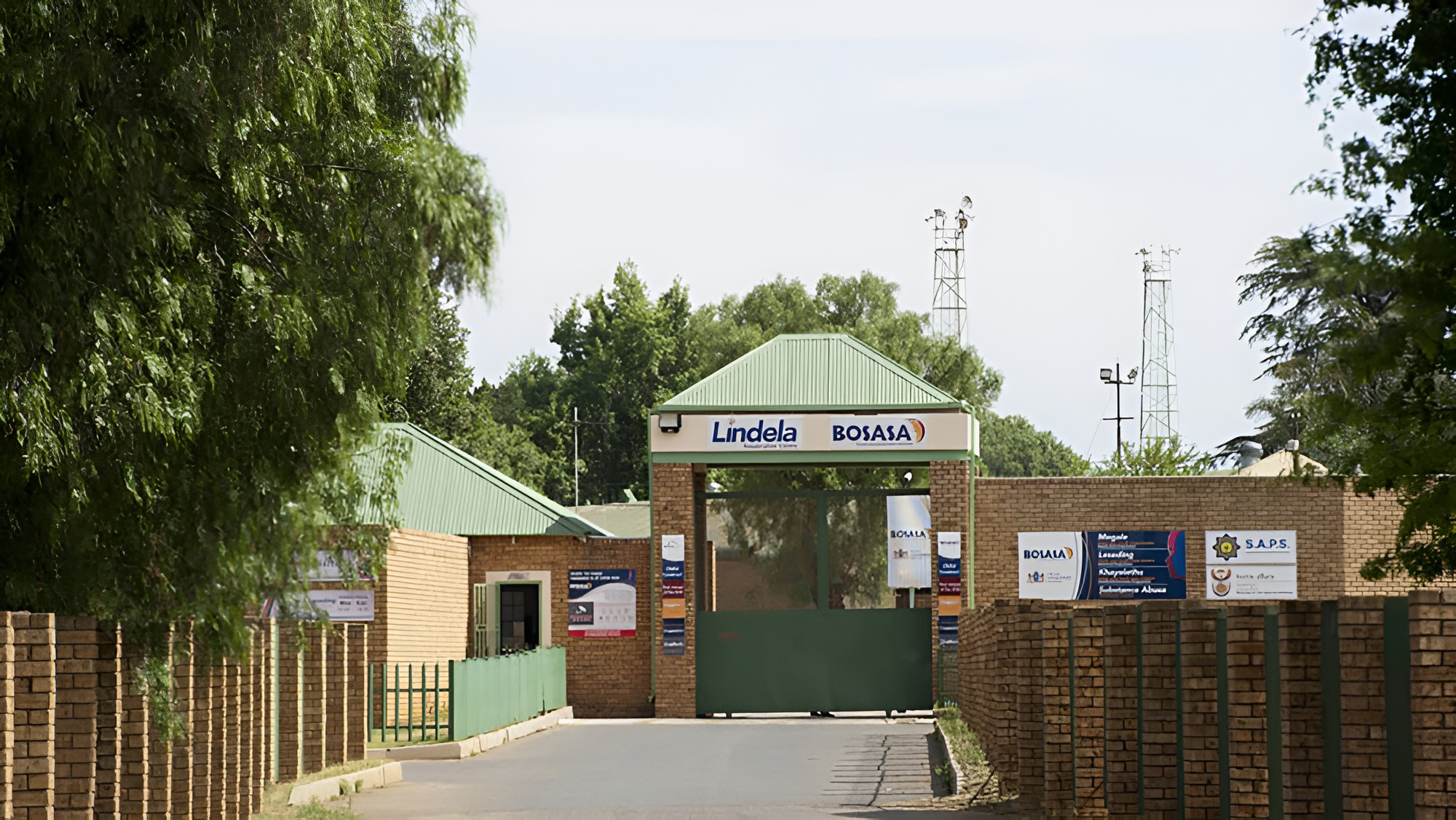
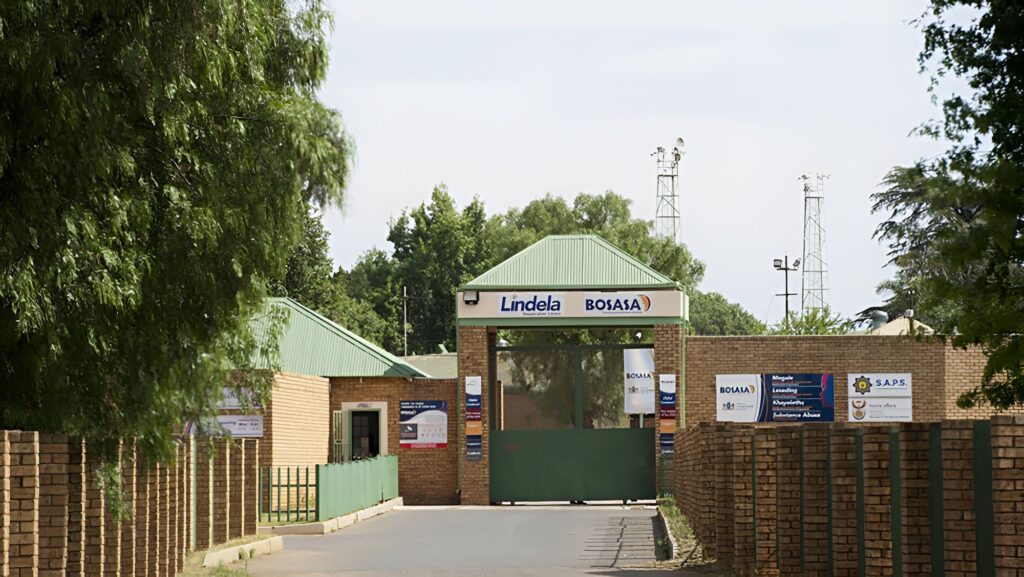
Government has also moved to re-establish a dedicated court at the Lindela Repatriation Centre to speed up deportation proceedings, with office space being finalised for the court to begin operating within a month. A second court dealing with immigration-related matters is being set up at OR Tambo International Airport in partnership with the Airport Company of South Africa, a process expected to take about three months.
Border infrastructure and fraud crackdown
Cabinet has approved the Borderline Infrastructure Improvement Plan (2026–2030), aimed at modernising South Africa’s borderline infrastructure across all seven border provinces. The plan focuses on improving patrol mobility, response times, personnel safety, and closing gaps exploited by smugglers. Kubayi said deteriorating infrastructure along the country’s 4 471km land border had created vulnerabilities “exploited by illegal crossings, smuggling and transnational crime.”
The BMA has also signed joint action plans with Lesotho, Mozambique and Eswatini to reduce undocumented migration through coordinated operations and information sharing, while a regional migration dialogue involving SADC member states is expected to be convened by 31 December 2026.
On the domestic front, Kubayi confirmed that the Department of Transport had moved to cancel and verify all dormant Traffic Register Numbers (TRNs) issued between 1 January 2000 and 30 June 2023, following revelations in Parliament in June that the system had been compromised by foreign nationals using fraudulent documents. Some of these TRNs, she said, had been used as substitutes for visas and to fraudulently open South African bank accounts.
Business reservation for citizens gathers pace
Government is also pressing ahead with plans to reserve certain sectors of the economy, particularly spaza shops, for South African citizens. Kubayi said 34 municipalities have already adopted the Standard Draft By-laws for Township and Rural Economies, while a further 105 have adopted them through formal council resolutions, and 21 more are in the process of adoption.
No refugee camps, no special police protection
Speaking at the same briefing, Kubayi reiterated that South Africa has no plans to establish refugee camps, even on a temporary basis, and that foreign nationals who are legally in the country are expected to integrate into local communities, where they will receive the same police protection as any other resident. She also rejected calls for SAPS to provide dedicated protection to specific migrant groups following recent unrest, including violence at Che Guevara Road in Durban. “SAPS can’t go and just protect a group of individuals. It’s not within the law. They are responsible for protection of all citizens,” she said.
Kubayi condemned recent incidents of vigilantism and xenophobic violence, including looting linked to anti-immigration protests in the Free State in June, saying such acts “will be met with the full force of the law.” President Ramaphosa has likewise warned that immigration enforcement remains the sole responsibility of authorised state officials, stating that “xenophobia, Afrophobia, or any other form of intolerance” has no place in South Africa.
“These operations demonstrate the government’s zero-tolerance approach to criminality, irrespective of nationality, while ensuring that all enforcement actions are undertaken within the framework of the law and with respect for human rights,” Kubayi said.