Limpopo | Crime News | Wildlife Trafficking
A 27-year-old Botswana national has appeared in court after being arrested near the Groblersbrug Border Post in Limpopo while allegedly in possession of a live pangolin, one of the world’s most trafficked and endangered mammals. The arrest, which also involves an alleged contravention of South Africa’s Immigration Act, highlights ongoing efforts by law enforcement agencies to combat wildlife trafficking and cross-border environmental crimes.
The suspect, identified as Tholego Gaebolae, was arrested on Wednesday, 26 August 2026, at approximately 19:30 after members of the South African National Defence Force (SANDF) spotted him crossing the Limpopo River from Botswana into South Africa during a routine border patrol operation. The incident occurred near the Groblersbrug Border Post, a key crossing point along South Africa’s northern border.
According to police, SANDF members approached the suspect and requested documentation to verify his legal entry into the country. Authorities allege that he was unable to produce a passport or any valid travel documents.
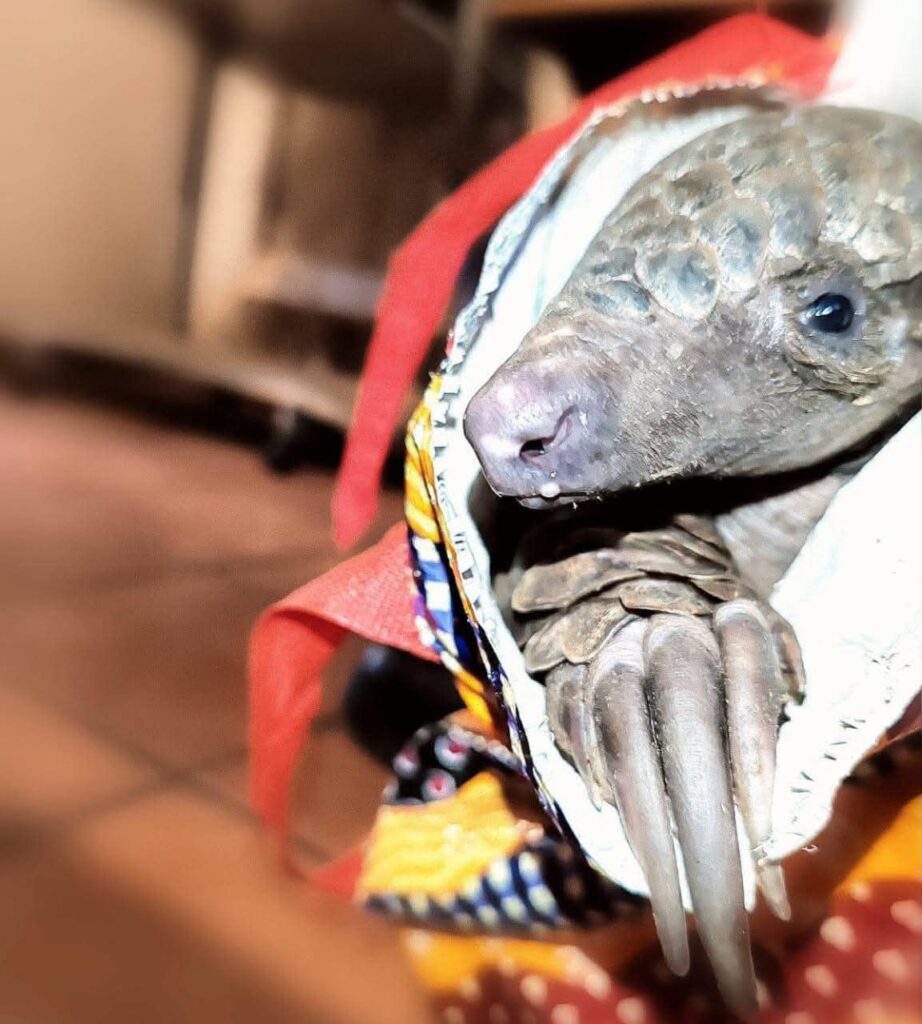
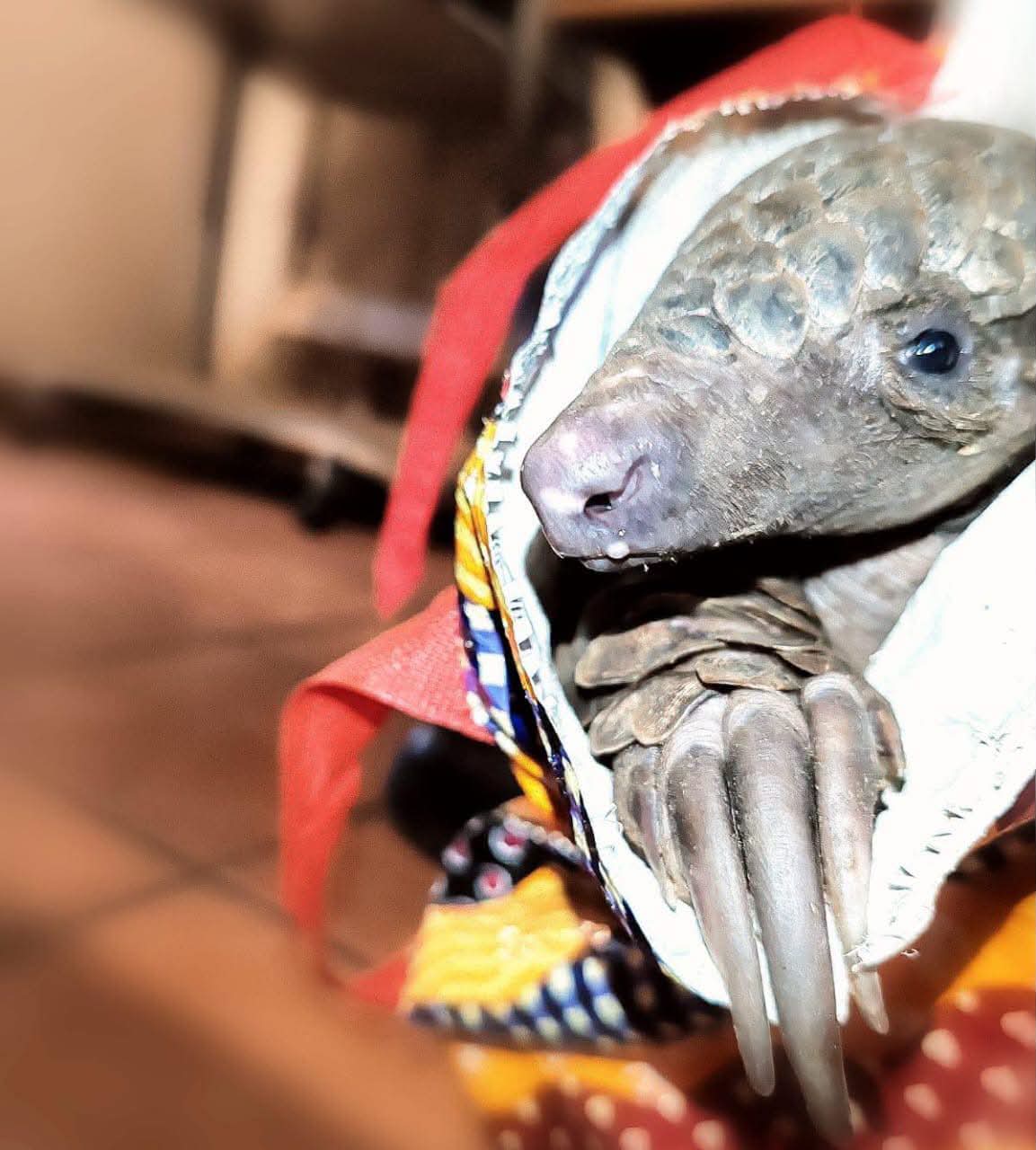
A subsequent search of the suspect’s belongings allegedly led to the discovery of a live pangolin concealed inside a bag. The animal is classified as a Specially Protected Wild Animal under South African environmental legislation, making its possession, transport and trade highly regulated and subject to strict legal controls.
Police said the suspect was unable to provide a satisfactory explanation regarding the origin of the pangolin or how he came to possess the endangered animal. He was immediately arrested and handed over to members of the SAPS Tom Burke Border Policing Unit for further investigation.
The suspect appeared before the Phalala Magistrate’s Court on Friday, 28 August 2026, facing charges relating to the possession of a Specially Protected Wild Animal and contravention of the Immigration Act 13 of 2002.
The court ordered that he remain in custody and postponed the matter to 17 September 2026 for a formal bail application and further police investigations.
The case has drawn attention because pangolins are among the most heavily trafficked wildlife species globally. Conservation organisations estimate that hundreds of thousands of pangolins have been illegally traded over the past decade, largely driven by demand for their scales and meat in illegal wildlife markets.
South Africa is home to the Temminck’s ground pangolin, the only pangolin species naturally occurring in Southern Africa. The species is protected under national legislation and international conservation agreements, including the Convention on International Trade in Endangered Species of Wild Fauna and Flora (CITES).
Wildlife trafficking syndicates often target pangolins due to the high prices they can fetch on the black market. Law enforcement agencies across Southern Africa have increased efforts to combat trafficking networks involved in smuggling protected species across international borders.
The arrest forms part of broader efforts by South African authorities to strengthen border security and disrupt environmental crime syndicates operating in the region. Illegal wildlife trafficking remains one of the most lucrative forms of organised crime globally, alongside drug trafficking, arms smuggling and human trafficking.
Limpopo’s location along several international border routes makes the province a key focus area for authorities combating cross-border crime. SANDF and SAPS members regularly conduct joint operations aimed at preventing illegal border crossings, smuggling and wildlife-related offences.
Provincial Commissioner of Limpopo Lieutenant General Jan Scheepers praised the SANDF and SAPS members involved in the arrest, commending their vigilance and cooperation in protecting both South Africa’s borders and endangered wildlife species.
Authorities have confirmed that investigations are continuing and have not ruled out the possibility of exploring whether the incident may be linked to broader wildlife trafficking activities.
The rescued pangolin is expected to be assessed by wildlife authorities, who will determine the most appropriate measures for its care and possible rehabilitation.
The case serves as another reminder of the ongoing threat posed by wildlife trafficking syndicates and the importance of coordinated law enforcement efforts in protecting some of Africa’s most vulnerable species.