International | Breaking News | Russia-Ukraine War
Russia has intensified its aerial offensive against Ukraine, carrying out a sixth consecutive day of major missile and drone attacks while warning that larger strikes against Ukraine’s energy infrastructure could still be ahead. The escalation comes as Ukraine continues expanding long-range drone operations deep inside Russian territory, targeting oil facilities, industrial sites and logistics infrastructure. The latest attacks have killed at least 12 people in and around Kyiv, adding to growing concerns that the war is entering a dangerous new phase ahead of the 2026-2027 winter season.
The renewed escalation follows Russia’s warning on 30 August that it was preparing what it described as “massive strikes” against Ukraine’s energy network in response to Ukrainian attacks on Russian fuel, oil and industrial infrastructure. European security officials and Ukrainian authorities fear that Moscow could soon launch a new coordinated campaign against power stations, substations and transmission networks similar to previous winter offensives that caused widespread blackouts across Ukraine.
The warning came shortly after the deadliest incident in Ukraine this year. On 28 August, a Russian strike hit an ammunition storage site near the village of Myla in Kyiv Oblast, triggering massive secondary explosions that devastated surrounding areas. Ukrainian President Volodymyr Zelenskyy later confirmed that at least 38 people were killed, dozens were injured and several others remained missing. Ukrainian authorities have launched investigations into the storage of ammunition near civilian areas, while emergency crews continue recovery operations.
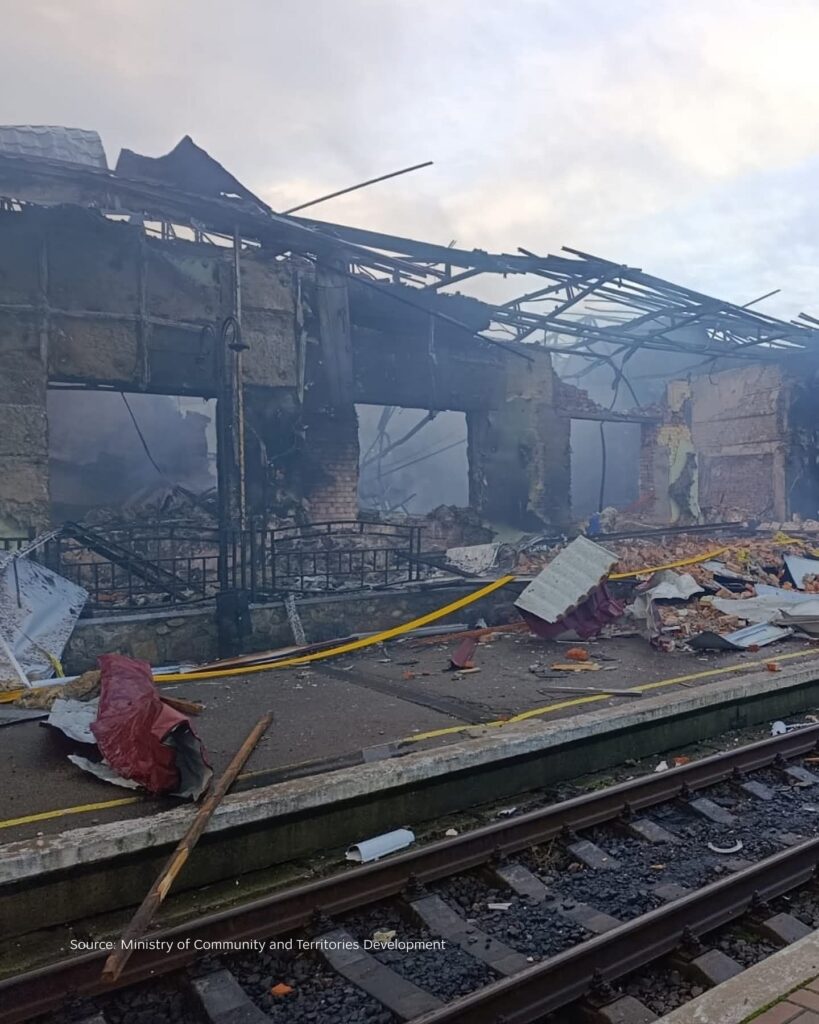
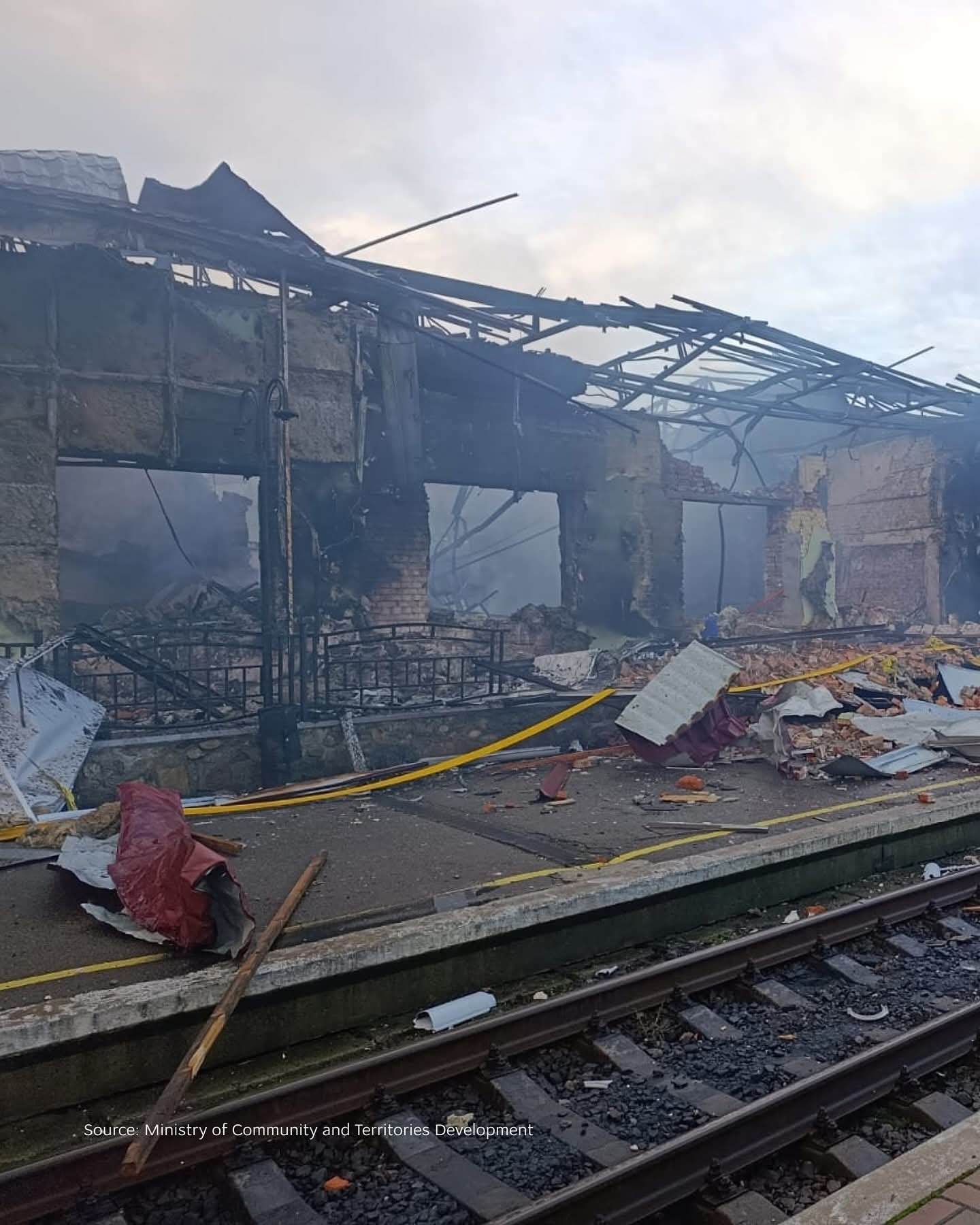
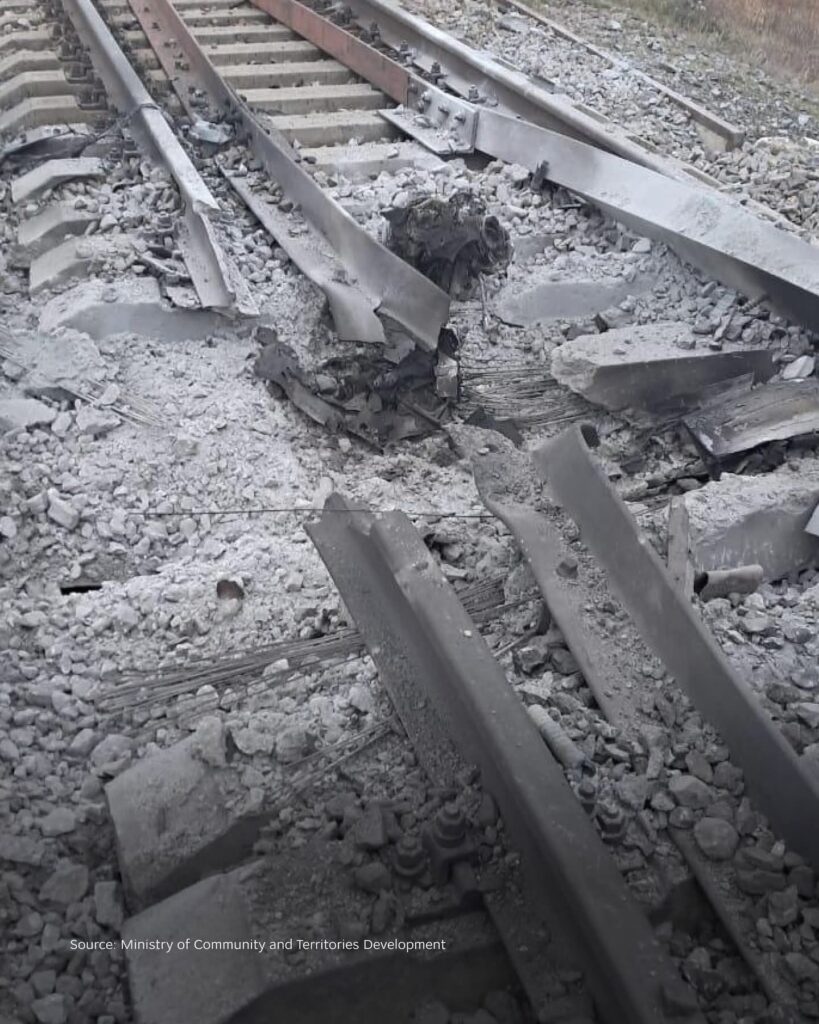
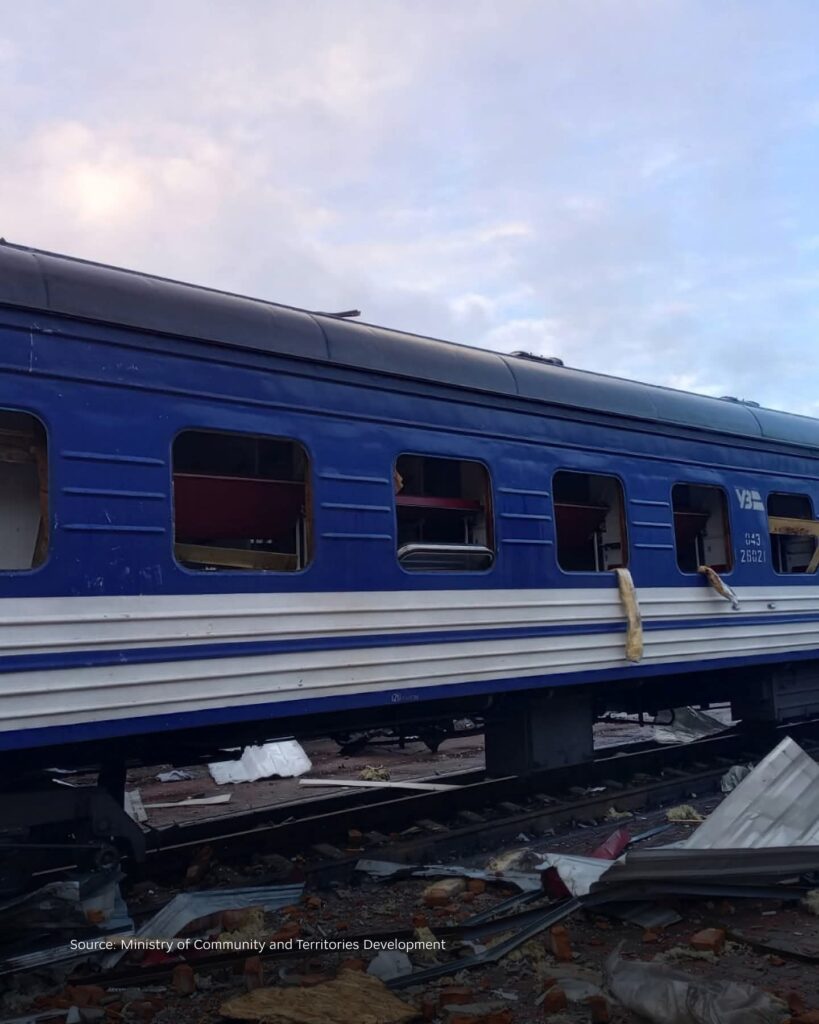
Since then, Russia has maintained relentless pressure on Kyiv and surrounding regions. Overnight into 1 September, Russian forces launched another large-scale attack involving ballistic missiles, cruise missiles and more than 200 drones. Ukrainian officials reported that at least 12 people were killed, including eight railway workers in Kyiv and four civilians in the nearby city of Boryspil. Railway infrastructure, residential buildings, warehouses and other civilian facilities sustained significant damage.
Military analysts say Russia has increasingly adopted a strategy of continuous aerial pressure, combining large missile barrages with repeated drone attacks. Ukrainian officials report growing use of jet-powered drones, which travel faster than traditional Shahed-type drones and are more difficult for air-defence systems to intercept. The tactic is designed to exhaust Ukrainian air-defence resources while maintaining psychological pressure on the population.
The threat to Ukraine’s energy sector remains one of the most serious concerns. Previous Russian campaigns against electricity infrastructure left millions of people without power, heating and water during winter months. Ukrainian officials have warned that another large-scale assault on the national grid could place additional strain on already damaged infrastructure as colder weather approaches.
At the same time, Ukraine has continued expanding its long-range drone campaign against Russia. Ukrainian drones have struck oil facilities, logistics centres, industrial sites and transport infrastructure hundreds of kilometres from the front lines. Russian authorities have reported damage to energy-related facilities, including incidents affecting strategic infrastructure around the Baltic port of Ust-Luga.
President Volodymyr Zelenskyy said Ukraine’s drone programme is increasingly affecting Russian operations and claimed that growing drone activity has effectively made large parts of Russian airspace unsafe. He urged international airlines and insurers to carefully assess the risks associated with operating in Russian airspace as the aerial dimension of the conflict continues to expand.
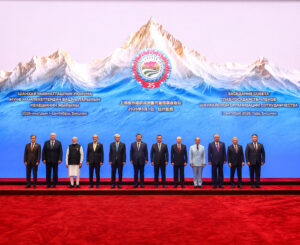
The conflict is also taking on broader international significance. At the Shanghai Cooperation Organisation summit this week, Indian Prime Minister Narendra Modi again urged an end to hostilities during discussions involving Russian President Vladimir Putin. Western governments continue debating additional military aid packages and air-defence support for Ukraine as concerns grow about the country’s ability to withstand a prolonged winter campaign.
Ukraine’s Foreign Minister Andrii Sybiha has warned that stocks of advanced air-defence interceptors are under pressure as Russia increases the scale and frequency of attacks. Kyiv continues lobbying allies for additional Patriot missile systems and ammunition, arguing that protecting critical infrastructure and civilian populations remains an urgent priority.
Meanwhile, fighting continues across eastern and southern Ukraine, where Russian forces are seeking incremental battlefield gains while Ukraine attempts to disrupt military logistics and economic infrastructure behind Russian lines. Analysts increasingly describe the conflict as a war of attrition involving drones, missiles, energy systems and industrial capacity as much as traditional front-line combat.
With Russia maintaining sustained pressure on Kyiv, warnings of future attacks on Ukraine’s electricity network and Ukraine continuing its deep-strike drone operations, the coming weeks could prove critical. The approach of winter, combined with escalating attacks on infrastructure, is likely to keep the Russia-Ukraine war among the world’s most closely watched international stories.