International | Breaking News | US-Iran Conflict
The United States and Iran have exchanged direct military strikes for the first time in more than a month, dramatically escalating tensions in the Middle East and raising fresh concerns about global oil supplies, shipping security and the stability of one of the world’s most important energy corridors. The escalation began on 30 August 2026 when US forces struck Iranian military assets on Larak Island in the Strait of Hormuz, prompting retaliatory missile attacks by Iran against US military facilities in Jordan and reports of drone activity linked to Iran near the United Arab Emirates. The developments are significant because they threaten the security of the Strait of Hormuz, a waterway through which roughly one-fifth of the world’s oil supply normally passes.
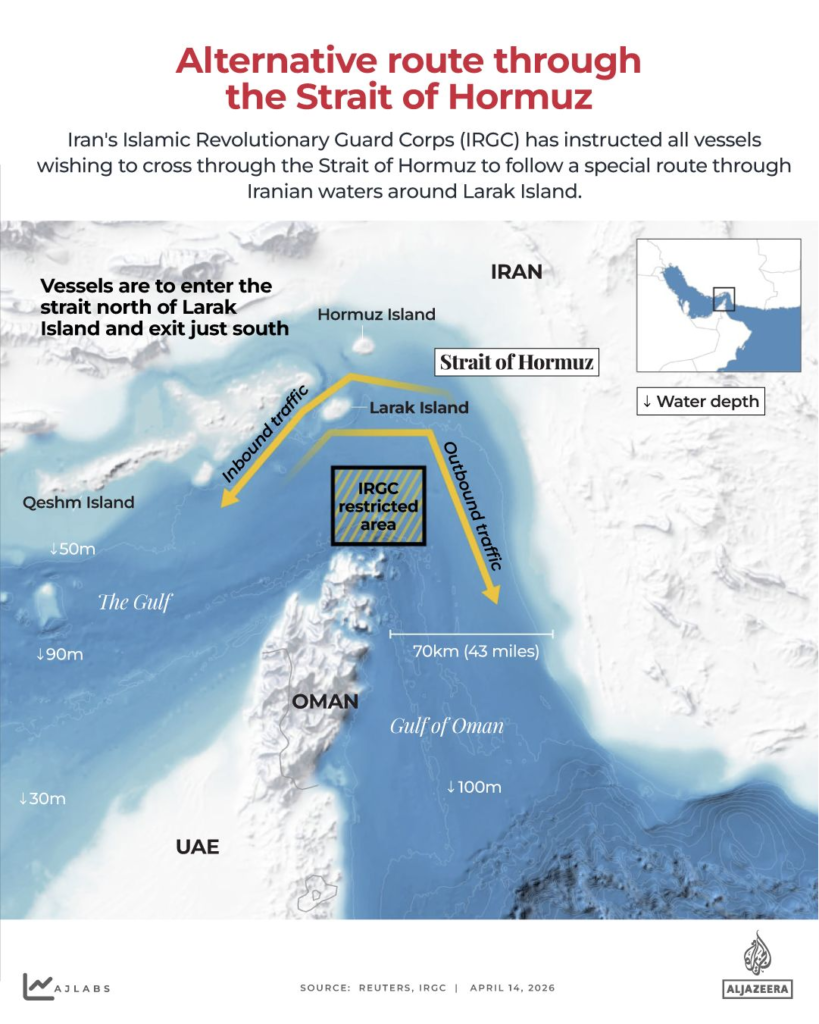
According to US Central Command (CENTCOM), American forces carried out a “limited, precise action” against two Iranian rocket launchers on Larak Island after intelligence indicated that Islamic Revolutionary Guard Corps (IRGC) forces were preparing to launch rockets carrying sea mines into international shipping routes in the Strait of Hormuz. US officials said the operation was intended to prevent a new threat to maritime traffic after recent mine-clearing efforts in the waterway.
Larak Island occupies a strategically important position overlooking shipping lanes at the mouth of the Persian Gulf. The island has become increasingly important during the six-month conflict because of its proximity to the Strait of Hormuz and its role in Iran’s maritime security operations. The US strike marked the first confirmed American military action against Iranian territory since late July 2026.
Iran swiftly condemned the attack, describing it as a violation of its sovereignty. Iranian state media and the IRGC reported that several Iranian military personnel and civilians were killed or wounded in the strike, although no official casualty figures have been released. Iranian officials vowed retaliation and warned that further US military action would have serious consequences.
Within hours of the American operation, Iran launched retaliatory ballistic missile attacks targeting US-linked military facilities in Jordan. The IRGC said the strikes targeted the King Hussein Air Base and Al Azraq Air Base, both of which host American military personnel and assets. Jordan’s military later announced that its air defence systems intercepted eight missiles that entered Jordanian airspace, and no significant damage was reported.
The confrontation expanded further when the United Arab Emirates reported intercepting an Iranian drone over its territorial waters on 31 August 2026. The UAE condemned the incident as a violation of its sovereignty and said its armed forces remain on high alert amid the deteriorating security situation. Iranian state media had earlier claimed that military assets in the UAE were among the targets of retaliatory operations, claims that were denied by Emirati authorities.
US President Donald Trump responded with a warning that the United States would “hit Iran hard” if further attacks were launched against American forces or interests. Trump’s comments came as Washington intensified both military and economic pressure on Tehran while seeking to maintain freedom of navigation through the Strait of Hormuz.
Despite the military escalation, Iranian President Masoud Pezeshkian indicated that Tehran remains open to diplomacy. Iranian officials have stated that while the country reserves the right to defend itself, it still supports negotiations aimed at ending the conflict and stabilising the region. Analysts say this leaves a narrow diplomatic pathway open even as military tensions rise.
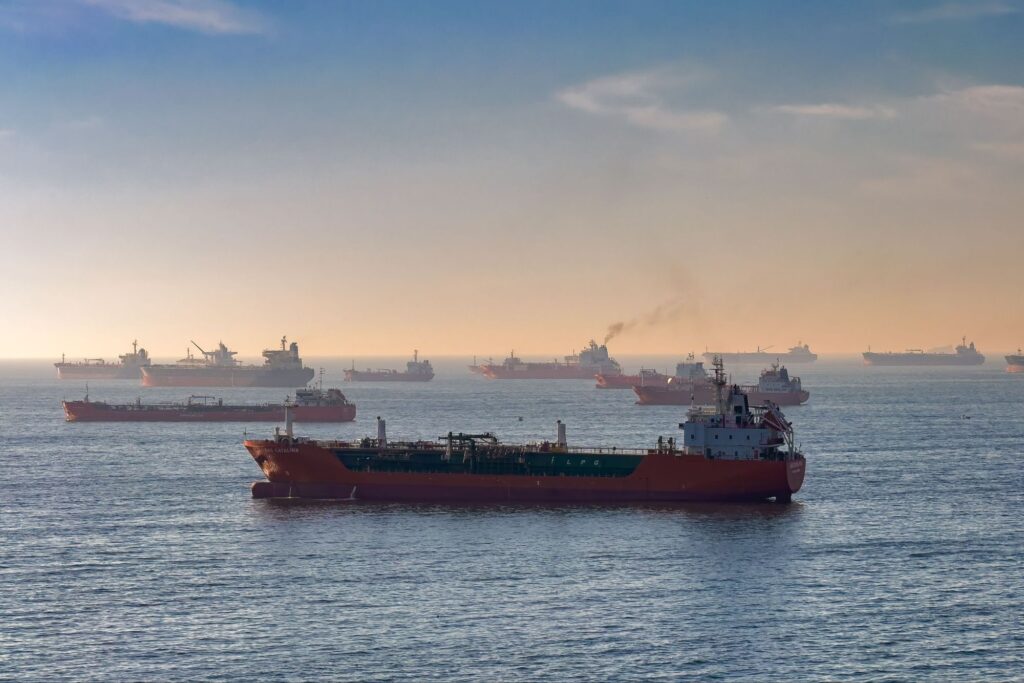
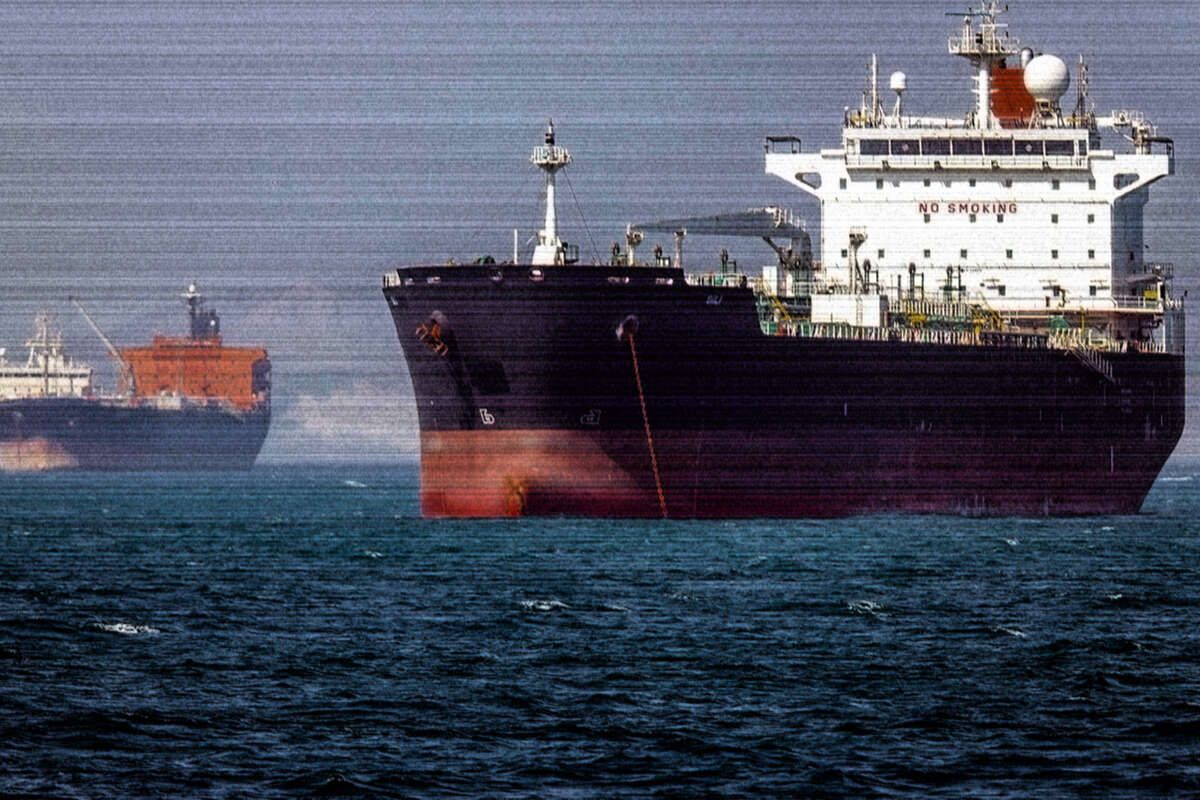
The Strait of Hormuz remains central to the crisis. The waterway connects the Persian Gulf to international markets and is one of the world’s most important energy chokepoints. The conflict has already disrupted shipping through the region, with traffic levels remaining well below historical averages. Concerns over vessel safety, insurance costs and potential future attacks continue to affect commercial shipping operations.
Energy markets are closely monitoring developments. Oil prices have experienced increased volatility throughout the conflict as traders assess the risk of supply disruptions from the Gulf. Any prolonged interruption to shipping through the Strait of Hormuz could affect global fuel prices, inflation and energy security across Europe, Asia and Africa.
The latest exchange ends a period of relative calm that followed the last direct US military strikes against Iran in late July. Security analysts warn that further retaliation by either side could trigger a broader regional confrontation involving Gulf states, international shipping interests and military forces stationed across the Middle East.
For now, governments around the world are urging restraint while preparing for the possibility of further escalation. With military forces on alert, oil markets reacting and diplomatic efforts under pressure, the US-Iran confrontation has once again become one of the most significant international stories unfolding today.