
International Economic News | The war between the United States and Iran has flared up again after weeks of relative calm, with American forces striking Iranian rocket launchers on Larak Island in the Strait of Hormuz and Iran retaliating with missile and drone attacks on US military bases in Jordan and other Gulf states. The exchange, one of the heaviest since the conflict began, has sent global oil prices sharply higher and raised fresh fears that the war — now in its seventh month — could drag on indefinitely.
The renewed fighting broke out over the past weekend when the US military struck what officials described as two Iranian rocket launchers on Larak Island, a small island in southern Iran that sits inside the Strait of Hormuz. A US official told Al Jazeera Arabic that the launchers were being prepared to fire missiles carrying naval mines into the strategic waterway, through which roughly a fifth of the world’s oil supply passes.
The strike was the first direct US attack on Iranian territory since late July, marking a sharp break from weeks of relative quiet during which Washington had shifted its approach from military strikes toward financial and economic pressure on Tehran.
Iran’s Revolutionary Guard Corps (IRGC) responded within hours, launching what it called operation “Punishment of the Aggressor” — a combined missile and drone assault on the King Hussein and Al Azraq air bases in Jordan, both of which host US military assets.
The IRGC said the strikes “destroyed the technical and repair infrastructure, as well as the enemy fighter deployment sites,” claiming significant damage. Jordanian authorities said they intercepted eight missiles fired during the attack. Iran also targeted US military assets in the United Arab Emirates, prompting the UAE’s foreign ministry to condemn the attack as “a dangerous escalation, an unacceptable assault, and direct threat to the country’s security, stability, and territorial integrity.”
Iran’s Ministry of Foreign Affairs called the original US strike on Larak Island a “direct violation of national sovereignty and territorial integrity,” and said the attack caused both civilian and military casualties. Tehran described its retaliatory strikes on Jordan as “a legitimate exercise of self-defence” under the United Nations Charter.
Iranian President Masoud Pezeshkian, speaking publicly for the first time since the exchange, said Iran was “not looking for war” but would “never sit still in the face of any aggression.” He said Iran “will give a decisive response to the aggressors” if attacked again, according to the state-run Fars news agency.
Fighting Widens To Bahrain, Iraq And Kuwait
The situation escalated further just days later, when the US military launched a new wave of strikes on southern Iran, which Washington’s Central Command (CENTCOM) said targeted “Iranian military sites” after the IRGC allegedly attempted to attack US troops and commercial shipping in the Strait of Hormuz. The strikes reportedly killed 11 people.

Iran responded with its heaviest retaliation in more than a month, striking US military positions in Bahrain, Jordan and Iraq. Kuwait’s air defences also intercepted Iranian drones and missiles during the exchange, which analysts described as the most intense round of fighting between the two sides in weeks.
The renewed hostilities come as the war, which began on 28 February 2026 when the United States and Israel launched a joint military campaign against Iran, enters its seventh month. Diplomatic efforts to end the conflict remain deadlocked, with talks over reopening the Strait of Hormuz to normal shipping traffic at an impasse.
Trump Says Renewed Strikes “Won’t Be Too Long”
US President Donald Trump has downplayed fears of a prolonged new offensive, telling reporters the latest round of attacks on Iran would be short-lived, even while signalling that Washington remains ready for further military action if needed. Trump has repeatedly claimed that the United States now holds “almost total control” of the Strait of Hormuz, and said he was satisfied with the current state of the conflict.
Responding to a report suggesting the renewed strikes were designed to pressure Iran back to the negotiating table, Trump denied the claim on his Truth Social platform, writing that he was not trying to force Tehran into talks and that he “couldn’t care less” whether Iran signed what he called a “worthless” agreement, insisting Iran’s economy was “totally collapsing.”
Trump also shared an AI-generated video on Truth Social appearing to show an attack on Iran’s Kharg Island — the country’s most important oil export terminal — with the caption “Kharg Island being blown to smithereens!!!” There was no independent evidence of any actual strike on the island, which handled the majority of Iran’s oil exports before the war began. Trump has repeatedly threatened to seize or destroy Kharg Island since the start of the conflict.
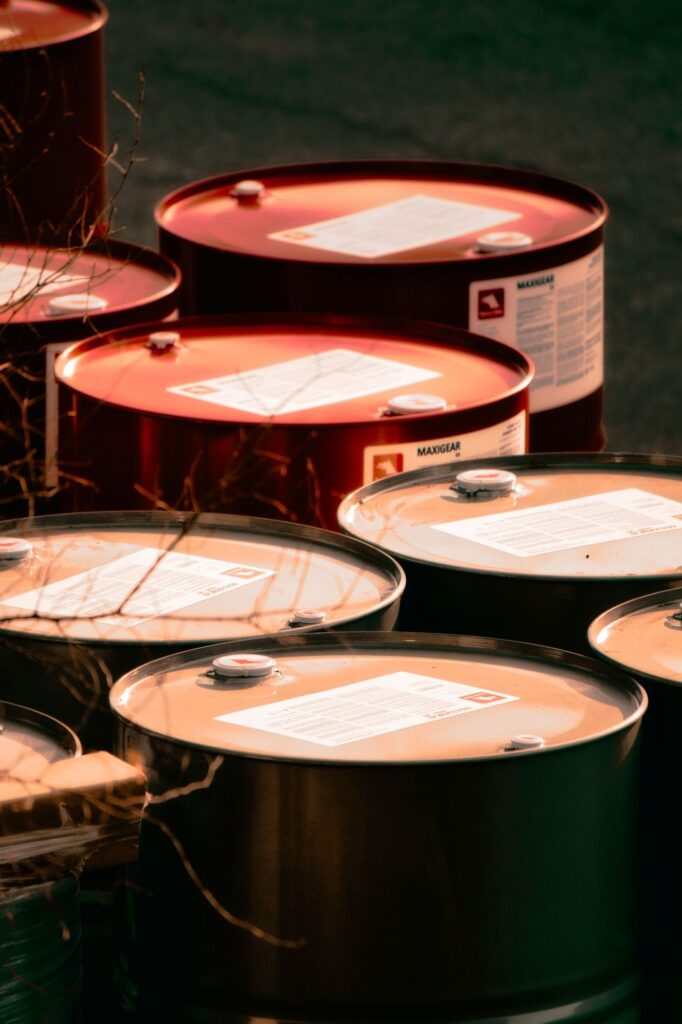
Oil Prices Surge On Fears Of Open-Ended Conflict
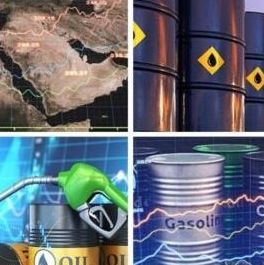
Global oil markets have reacted sharply to the renewed violence. US West Texas Intermediate (WTI) crude climbed to around $90 a barrel, while international benchmark Brent crude pushed toward $96 a barrel, extending a rally of roughly 9% over three trading sessions as traders priced in the risk of a longer, more destructive phase of the war.
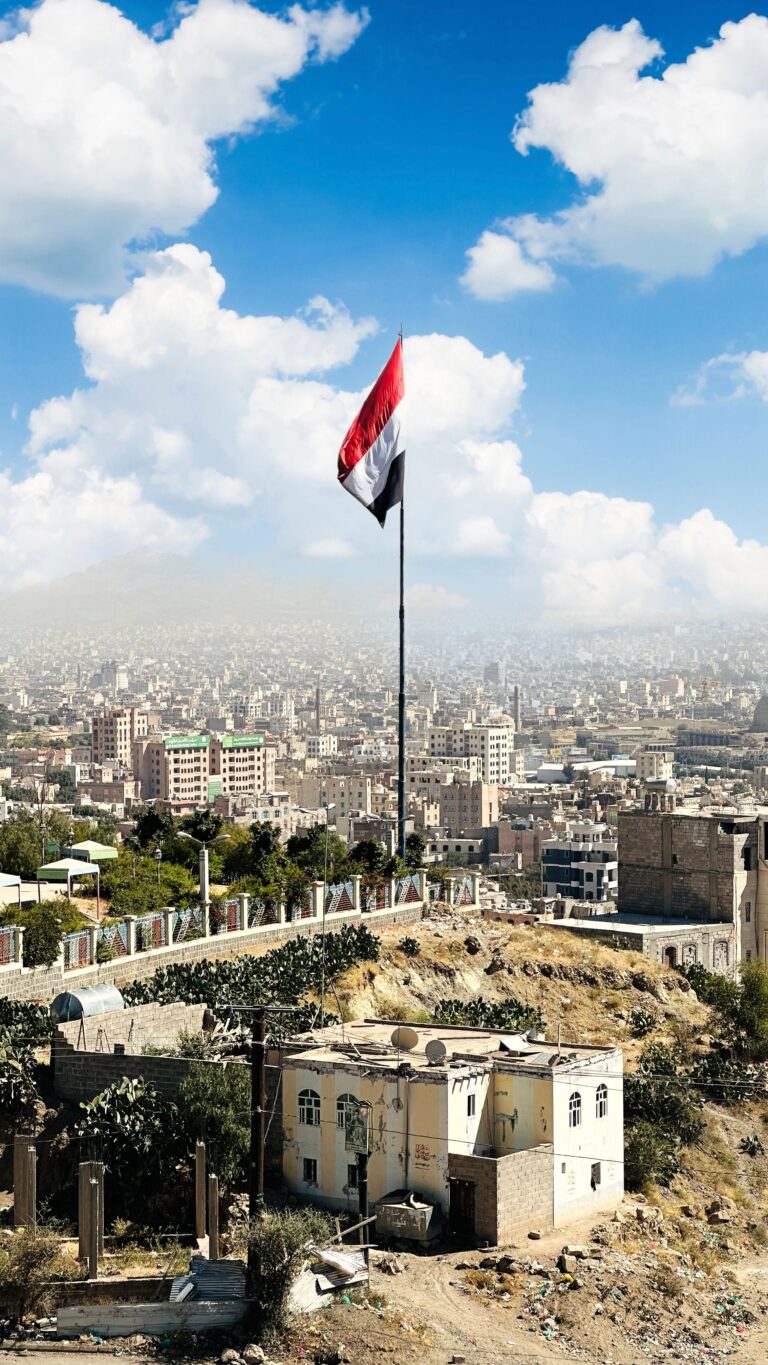
Despite the fighting, crude shipments have continued moving through the Strait of Hormuz at an estimated average of eight million barrels a day, and US crude inventories fell by 4.5 million barrels in the most recent week — the first such drop since late July. Analysts have warned that risks to global energy supply remain elevated beyond Hormuz as well, pointing to continued attacks by Iran-aligned Houthi forces in Yemen on Saudi-linked shipping in the Red Sea and around the Bab el-Mandeb strait.
Washington has also ramped up so-called “secondary sanctions” targeting countries and companies that continue to purchase Iranian crude oil, part of a broader strategy to squeeze Iran’s economy alongside its military campaign. Analysts say the Trump administration’s approach as the November midterm elections approach has increasingly focused on economic coercion rather than large-scale strikes, while still enforcing a naval blockade aimed at limiting Iran’s ability to threaten shipping through Hormuz.
Background: A War Now In Its Seventh Month
The war between the United States, Israel and Iran began on 28 February 2026, when US and Israeli forces launched a coordinated military campaign against Iranian nuclear and military infrastructure. What Trump initially predicted would last “four weeks or less” has instead stretched on for more than six months, with repeated rounds of strikes, retaliation, ceasefire attempts and collapsed negotiations.
Since the war began, oil prices have swung wildly, at one point pushing Brent crude above $113 a barrel — its highest level since mid-2022 — as Iran effectively shut down shipping through the Strait of Hormuz for extended periods. The US Strategic Petroleum Reserve has also been drawn down to its lowest level since January 1983 as Washington has sought to cushion domestic fuel prices during the conflict.
Iran has repeatedly said it will not fully reopen the Strait of Hormuz without major concessions from Washington, including an end to the US naval blockade and to what it calls continued “aggression” against Iran and its regional allies. The United States, in turn, insists that any resolution must guarantee unrestricted freedom of navigation through the strait without Iranian tolls, approvals or oversight.
With diplomatic talks stalled and both sides continuing to trade strikes, analysts warn that global energy markets are likely to remain volatile in the weeks ahead, with any further escalation around the Strait of Hormuz carrying the potential to push oil prices significantly higher.