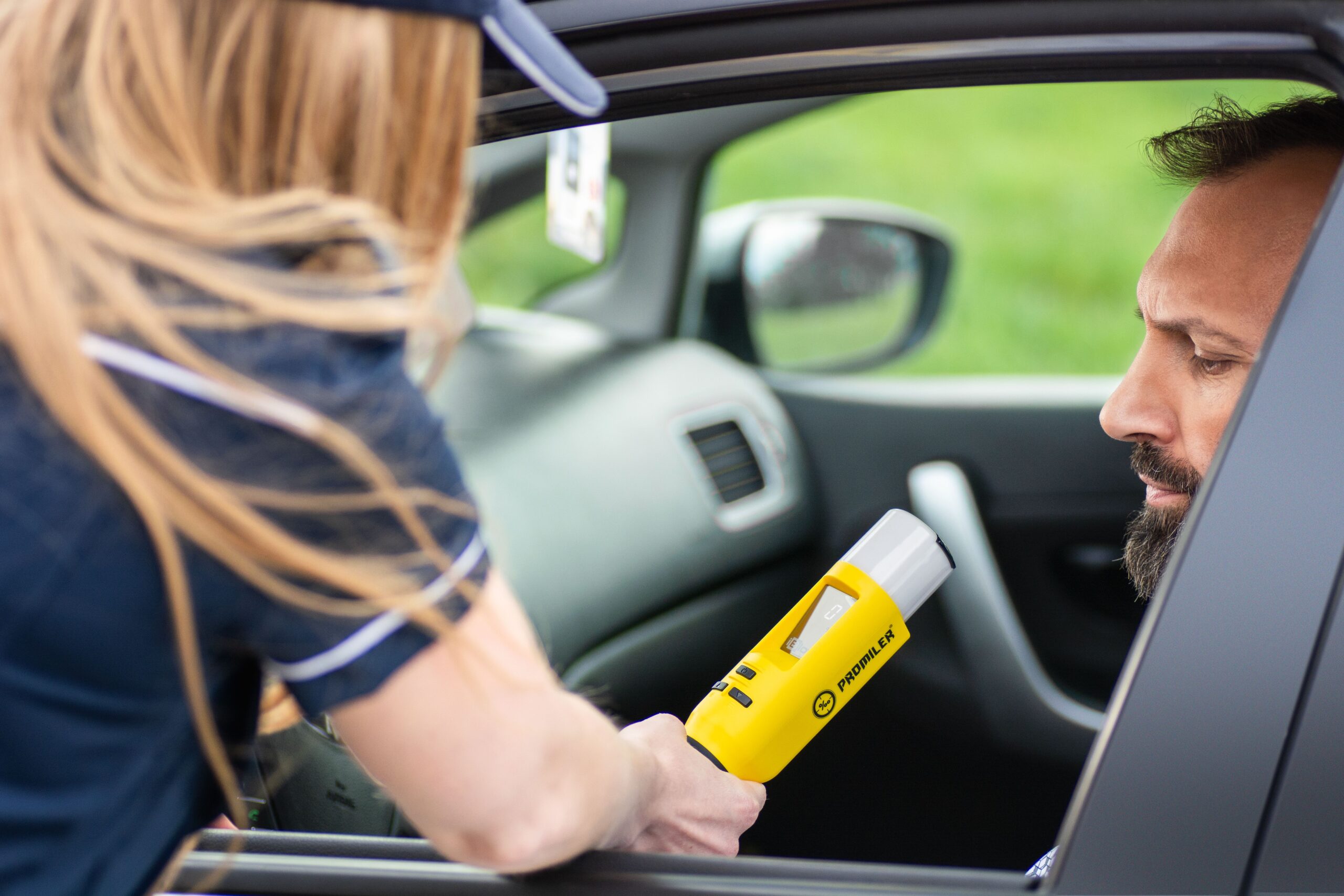
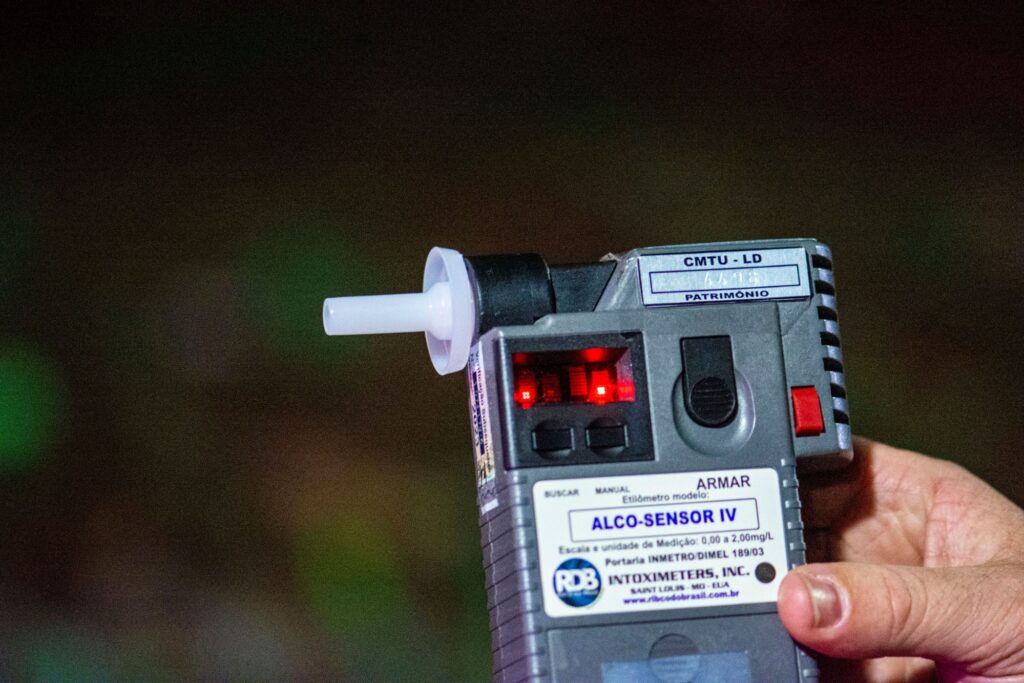
South Africa is moving a step closer to a total ban on drinking and driving, with Transport Minister Barbara Creecy confirming that the Department of Transport is preparing formal amendments to the National Road Traffic Act that would reduce the legal blood-alcohol limit for all motorists to zero.
Creecy announced the update at the Road Safety Practitioners’ Colloquium, held at the Birchwood Hotel & OR Tambo Conference Centre in Ekurhuleni from 2 to 4 September 2026, under the theme “Strengthening Road Safety through Collaboration, Innovation and Accountability.” She confirmed that the department is seeking approval from the Chief State Law Advisor and the Socio-Economic Impact Assessment System (SEIAS), with the aim of securing Cabinet concurrence for the amendment before the end of 2026.
The proposed changes target Section 65 of the National Road Traffic Act 93 of 1996, which currently permits ordinary drivers a blood-alcohol concentration of up to 0.05 grams per 100 millilitres of blood, and professional drivers a lower limit of 0.02 grams per 100 millilitres. Measured by breathalyser, the current legal limits stand at 0.24 milligrams of alcohol per 1 000 millilitres of breath for ordinary motorists, and 0.10 milligrams per 1 000 millilitres for professional drivers.
Under the proposed amendment, both the blood and breath alcohol limits for ordinary drivers would be reduced to 0.00, effectively making it illegal to drive with any measurable trace of alcohol in the body.
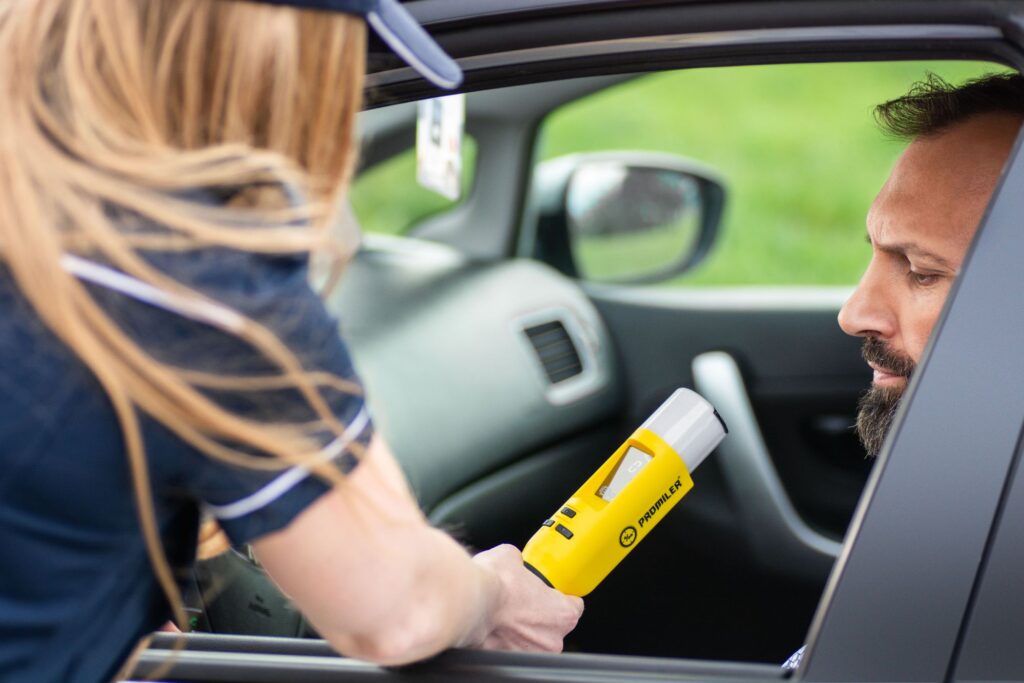
Government has indicated that the amendment will not change existing testing methods or penalties, but will instead remove the legal allowance for any level of alcohol consumption before getting behind the wheel.
“The time has come for us to amend the law, so that we have a clear-cut, easy-to-understand, and unambiguous policy that says drinking and driving are not allowed,” Creecy has previously said of the proposal, which was first flagged by the department in January 2026 and has been gathering momentum through the course of the year.
Creecy told the Ekurhuleni colloquium that South Africa “cannot normalise” the close to 12 000 deaths recorded on the country’s roads every year, and that government has set itself the target of halving annual road fatalities by 2030, in line with the United Nations’ Sustainable Development Goals.
She revealed that more than 18 000 people were arrested for drunk driving between March and the end of August 2026 alone — accounting for roughly a third of all traffic arrests recorded during that five-month period. South Africa has recorded close to 6 500 road deaths in the first eight months of 2026, with pedestrians accounting for almost half of all fatalities. The Road Traffic Management Corporation (RTMC) estimates that alcohol contributes to at least 27 percent of all road deaths in the country.
Despite the grim overall picture, Creecy pointed to encouraging recent trends: crashes and fatalities fell by more than 6 percent in 2025 compared with 2024, while crashes over the 2026 Easter long weekend were 24 percent lower, and fatalities 39 percent lower, than the 2024 peak. Data from the 2025/26 festive season campaign showed a 5 percent reduction in both fatalities and crashes nationally, with five provinces recording year-on-year improvements. The push for tougher legislation follows a particularly deadly 2025/26 festive season, in which 1 427 people were killed on South African roads.
Industry and Parliament back the change
The Motor Industry Staff Association (MISA) has thrown its weight behind the proposed amendment, with the organisation’s chief executive officer for operations, Martlé Keyter, saying a zero-percent policy “will send a clear message that no amount of alcohol is safe behind the wheel.” Keyter said MISA supports the minister’s efforts “to ensure that every South African can travel without fear of losing their life to preventable negligence,” describing the initiative as being “not only about compliance but… about protecting families, workers and communities.”
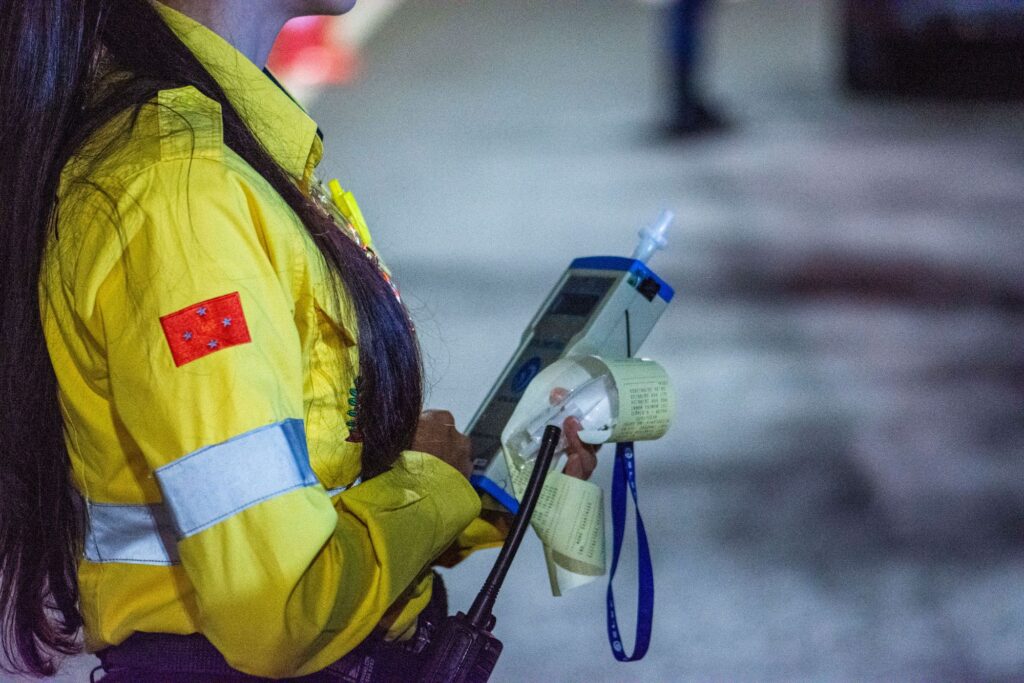
Parliament’s Portfolio Committee on Transport has also backed the proposed change, with committee chairperson Donald Selamolela warning earlier this year that “driving under the influence of alcohol has reached alarming levels, resulting in unnecessary loss of life,” and that delays in implementing stricter measures could cost more lives ahead of high-risk travel periods such as Easter and the festive season.
Not everyone is convinced a zero limit will move the needle on its own. Critics, including bodies such as the Cape Chamber of Commerce and Industry, have previously argued that stricter enforcement of existing laws would do more to curb drunk driving than lowering the legal limit itself, cautioning that a zero-tolerance rule could unfairly criminalise responsible drinkers while doing little to stop habitual offenders who already flout the law.
The proposed amendment must still complete a lengthy legislative process before it becomes law, including drafting, Chief State Law Advisor sign-off, a Socio-Economic Impact Assessment, Cabinet approval, public comment, and a full parliamentary process before presidential assent. Government has not yet published a draft bill or a firm implementation timeline, meaning the current legal limits remain in force for now. The Department of Transport has indicated it aims to secure Cabinet concurrence on the amendment by the end of 2026, after which the bill would proceed through Parliament.